Bone pain is more than just discomfort—it can interfere with daily activities, disrupt sleep, and signal underlying health conditions. Unlike muscle or joint pain, bone aches often feel deep, penetrating, and persistent. While occasional soreness after physical activity is normal, consistent or worsening bone pain warrants attention. Understanding the root causes, recognizing associated symptoms, and knowing which treatments are effective can help you regain comfort and prevent long-term complications.
Understanding Bone Pain vs. Other Types of Pain
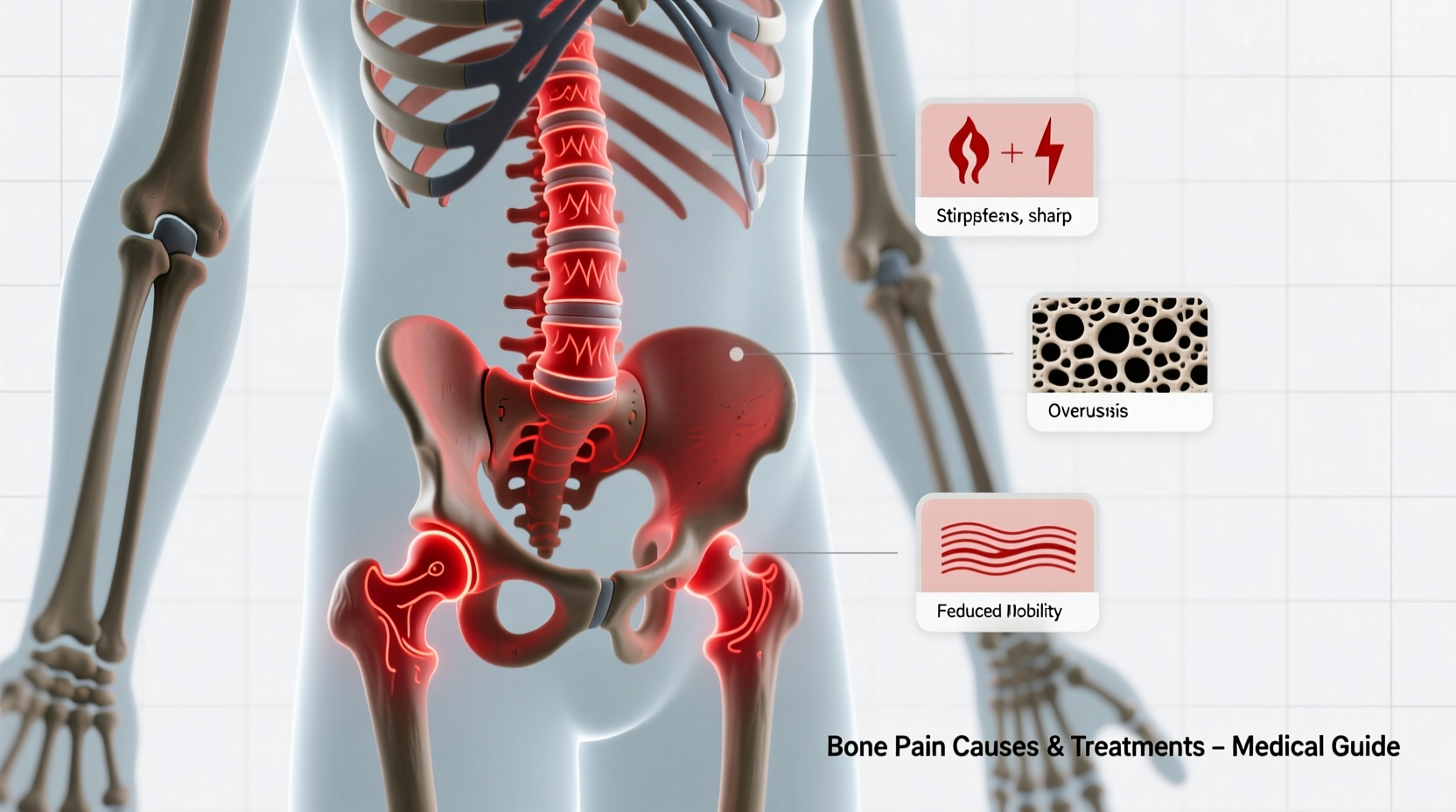
Bone pain differs significantly from muscle strain or joint inflammation. It typically originates within the bone itself and may be described as dull, throbbing, or sharp. Common distinguishing features include:
- Pain that worsens at night or with pressure on the affected area
- Limited improvement with rest compared to muscle soreness
- Pain localized to a specific bone rather than widespread muscle groups
- Swelling, tenderness, or warmth over the bone in some cases
Conditions like osteoporosis, infections, or tumors affect bone integrity directly, leading to structural pain. In contrast, arthritis primarily impacts joints, while fibromyalgia causes widespread soft tissue discomfort without actual bone damage.
Tip: If bone pain persists beyond a few days or interferes with mobility, consult a healthcare provider for proper diagnosis.Common Causes of Bone Aches
Bone pain arises from various physiological and pathological factors. Identifying potential triggers helps determine whether medical evaluation is necessary.
Vitamin Deficiencies
Inadequate levels of vitamin D and calcium impair bone mineralization, leading to softening of the bones (osteomalacia in adults, rickets in children). These deficiencies often result from limited sun exposure, poor diet, or malabsorption disorders.
Osteoporosis
This condition weakens bones due to decreased density, making them prone to microfractures and chronic aching, especially in the spine and hips. Postmenopausal women and older adults are particularly vulnerable.
Infections (Osteomyelitis)
Bacterial or fungal infections can invade bone tissue, commonly affecting the long bones of the legs or arms. Osteomyelitis often follows trauma, surgery, or bloodstream infections and presents with fever, redness, and swelling alongside deep pain.
Metastatic Cancer
Cancers originating in the breast, prostate, lung, or thyroid frequently spread to bones, causing severe, progressive pain—especially in the spine, pelvis, and ribs. The pain may intensify at night and not improve with rest.
Leukemia and Blood Disorders
Abnormal cell production in the bone marrow can stretch the periosteum (bone lining), resulting in diffuse bone pain, often in the legs and arms. Fatigue, unexplained bruising, and frequent infections accompany these symptoms.
Overuse and Stress Fractures
Athletes and individuals engaging in repetitive impact activities may develop stress fractures. These tiny cracks cause localized pain that worsens with movement and improves slightly with rest.
“Persistent bone pain should never be ignored. It’s one of the body’s clearest signals that something is structurally wrong.” — Dr. Alan Reyes, Rheumatologist and Bone Health Specialist
Symptoms That Accompany Bone Pain
Bone aches rarely occur in isolation. Associated signs can provide critical clues about the underlying cause:
| Symptom | Possible Cause |
|---|---|
| Night pain that wakes you up | Tumor, infection, or metabolic bone disease |
| Fever and chills | Osteomyelitis or systemic illness |
| Unintentional weight loss | Cancer or chronic infection |
| Frequent fractures | Osteoporosis or genetic bone disorders |
| Swelling or visible deformity | Trauma, tumor, or advanced disease |
Neurological symptoms such as numbness or weakness may indicate spinal involvement. Meanwhile, generalized fatigue and pallor could point to hematologic conditions like anemia or leukemia.
Treatment Options Based on Cause
Effective treatment depends entirely on diagnosing the root issue. Approaches range from lifestyle modifications to medical interventions.
Nutritional Correction
For vitamin D and calcium deficiencies, supplementation under medical supervision restores bone strength. Sunlight exposure, fortified foods, and dietary changes play supportive roles.
Medications for Osteoporosis
Bisphosphonates (e.g., alendronate), denosumab, and hormone replacement therapy slow bone loss and reduce fracture risk. These require ongoing monitoring by a physician.
Antibiotics for Infection
Osteomyelitis typically requires intravenous antibiotics for several weeks, sometimes followed by oral therapy. Surgery may be needed to remove infected tissue.
Cancer Treatments
Radiation therapy, chemotherapy, and targeted drugs manage metastatic bone disease. Pain control includes bisphosphonates, radiation for localized relief, and analgesics tailored to severity.
Physical Therapy and Supportive Care
For stress injuries or post-fracture recovery, controlled loading and strengthening exercises promote healing. Assistive devices like braces or crutches reduce mechanical stress.
Tip: Never self-treat persistent bone pain with over-the-counter painkillers alone—underlying causes may progress silently.Step-by-Step Guide to Managing Bone Pain
- Track Symptoms: Note location, intensity, timing, and any triggers or relieving factors using a pain diary.
- See a Doctor: Schedule an appointment with a primary care provider or specialist (rheumatologist, orthopedist).
- Undergo Diagnostic Tests: Expect blood work (calcium, vitamin D, alkaline phosphatase), imaging (X-ray, MRI, or bone scan), and possibly a biopsy.
- Follow Treatment Plan: Adhere to prescribed medications, supplements, or therapies without skipping doses.
- Modify Lifestyle: Incorporate weight-bearing exercise, fall prevention strategies, and a balanced diet rich in bone-supporting nutrients.
- Monitor Progress: Attend follow-up visits to assess healing and adjust treatment as needed.
Real-Life Example: Recognizing Early Signs
Sarah, a 58-year-old teacher, began experiencing low back pain that worsened at night. She assumed it was due to poor posture but noticed she was losing height and felt fatigued. After a routine checkup revealed low vitamin D and reduced bone density, her doctor diagnosed osteopenia—pre-osteoporosis. With calcium supplements, weekly vitamin D, and resistance training, Sarah reversed bone loss over 18 months and avoided fractures.
Her case underscores how early detection and proactive management can alter outcomes before irreversible damage occurs.
Prevention Checklist
- ✅ Consume calcium-rich foods (dairy, leafy greens, fortified cereals)
- ✅ Get 10–30 minutes of midday sun several times a week for vitamin D synthesis
- ✅ Engage in weight-bearing exercises (walking, stair climbing, resistance bands) 3–4 times per week
- ✅ Avoid smoking and limit alcohol intake—both weaken bone structure
- ✅ Schedule bone density scans if over 65 or at high risk for osteoporosis
- ✅ Use proper footwear and home safety measures to prevent falls
Frequently Asked Questions
Can dehydration cause bone pain?
No, dehydration does not directly cause bone pain, but it can exacerbate muscle cramps and joint stiffness, which may be mistaken for bone discomfort. Chronic dehydration also impairs nutrient delivery to bone tissue, indirectly affecting health.
Is bone pain always a sign of cancer?
No, most bone pain stems from benign causes like overuse, deficiency, or arthritis. However, unexplained, progressive pain—especially at night—should be evaluated to rule out serious conditions including malignancy.
What’s the difference between bone pain and joint pain?
Bone pain originates deep within the bone and is constant, whereas joint pain is typically felt around the joint line and worsens with movement. Joint pain often accompanies swelling or locking sensations, while bone pain may lead to tenderness over a broader area.
Take Action for Stronger, Healthier Bones
Bone pain is not a normal part of aging or physical activity. Whether caused by nutritional gaps, disease, or injury, addressing it promptly preserves mobility and quality of life. Start by listening to your body, documenting symptoms, and seeking professional guidance. With accurate diagnosis and consistent care, most causes of bone aches are manageable—and many are preventable.
💬 Your health matters. Share your experience or questions below—help others recognize warning signs and take control of their bone health today.








