
After a bath, many dog owners have witnessed the sudden burst of chaotic energy known as “zoomies” — when their pet dashes through the house at full speed, spins in circles, or leaps off furniture with wild abandon. While it may seem random or even comical, this behavior is deeply rooted in canine biology, emotional regulation, and instinctual patterns. Far from being mere silliness, post-bath zoomies are a natural mechanism for dogs to release built-up tension, reset their nervous systems, and express relief. Understanding this phenomenon offers valuable insight into your dog’s emotional world and can help you support their mental well-being more effectively.
The Science Behind Canine Zoomies
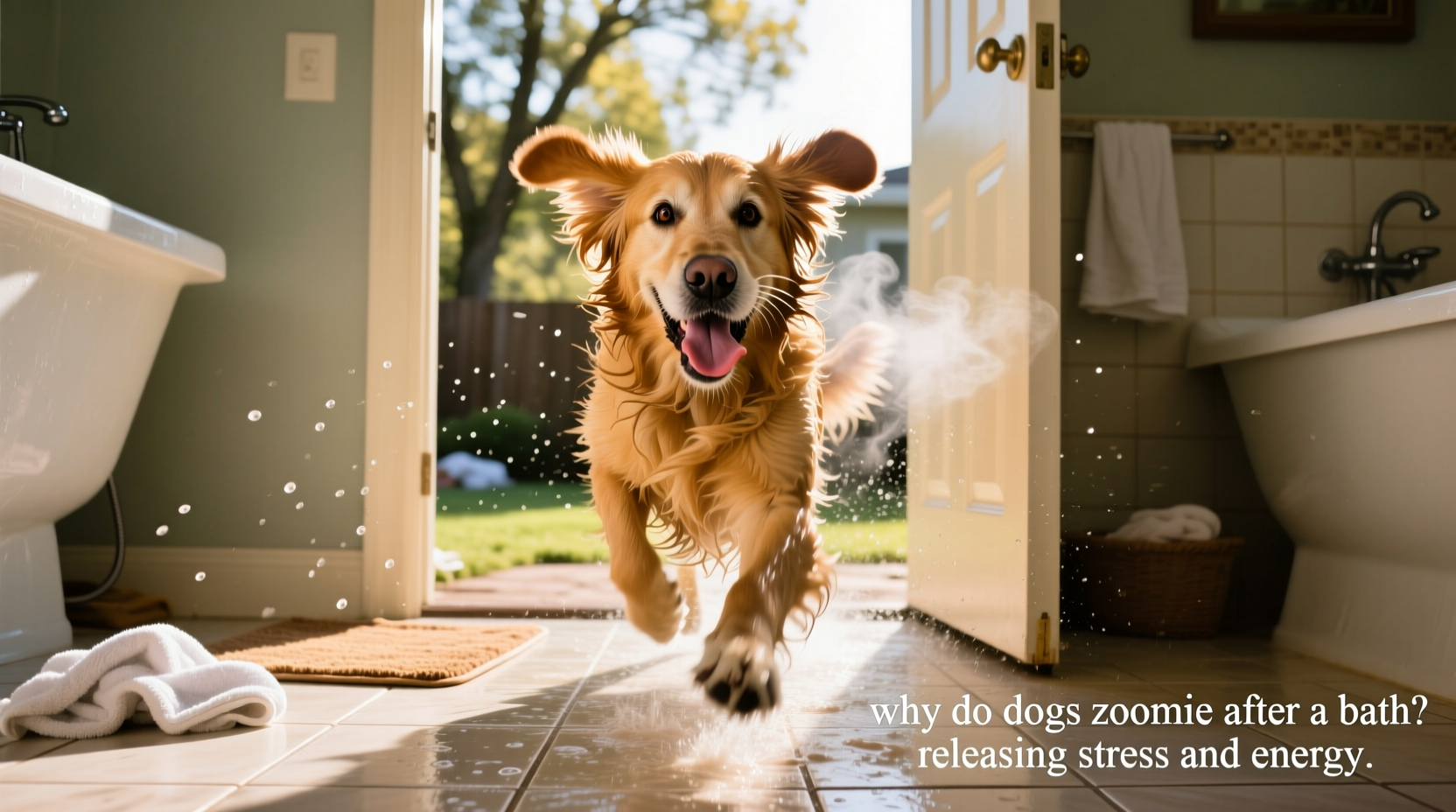
Zoomies, formally known as Frenetic Random Activity Periods (FRAPs), are short bursts of intense physical activity that dogs engage in when excess energy or emotion needs an outlet. These episodes typically last between 5 and 10 minutes and are most common in younger dogs but can occur at any age. They often follow events that create mild stress, restraint, or overstimulation — such as grooming, nail trimming, or bathing.
Bathing involves several sensory disruptions: immersion in water, unfamiliar scents from shampoos, physical handling, and loss of control. Even if a dog appears calm during the process, their nervous system may be in a heightened state of alertness. Once the bath ends and they’re released, the sudden return to freedom triggers a neurological shift. The parasympathetic nervous system begins to relax, while residual adrenaline and cortisol — stress hormones — need to be metabolized. Running in zigzags, spinning, and playful bucking help discharge these biochemicals efficiently.
“FRAPs are a self-regulatory behavior. Dogs use movement to recalibrate their internal state after stressful or restrictive experiences.” — Dr. Karen Becker, Integrative Veterinary Specialist
Stress Release Through Physical Expression
Dogs don’t process stress the way humans do. They lack the cognitive tools for introspection or verbal communication, so emotional tension manifests physically. A bath may feel invasive: ears are touched, fur is manipulated, and scent — a core part of canine identity — is stripped away temporarily. This sensory disruption can trigger low-grade anxiety, even in well-socialized dogs.
When the bath concludes, the dog is not only wet and towel-dried but also emotionally unmoored. Zoomies serve as a reset button. The rapid motion increases blood flow, stimulates endorphin production, and helps transition the dog from a state of tension back to baseline calm. It's akin to a human taking deep breaths or shaking out their limbs after a startling event.
In some cases, the post-bath sprint includes behaviors like the “bunny hop” or sideways leap — signs of both excitement and residual discomfort. These movements suggest a mix of relief, joy, and nervous energy being expelled all at once.
Tip: Allow your dog space and time to run after a bath. Interrupting zoomies can prolong stress by preventing natural emotional release.Energy Accumulation and Environmental Triggers
Modern domestic life often restricts natural canine behaviors. Dogs spend long hours indoors, on leashes, or confined to small yards, limiting opportunities for sustained running, sniffing, and exploration. Bath time compounds this energy backlog. The act of standing still for washing requires muscular control and mental focus, which itself is exhausting. When the constraint lifts, pent-up kinetic energy surges outward in the form of zoomies.
Additionally, the tactile sensation of being wet plays a role. Water changes the weight and texture of a dog’s coat, altering their proprioception — the awareness of body position. Some dogs feel “off” or ticklish immediately after a bath, prompting them to run in an attempt to regain bodily normalcy. Others may be reacting to the lingering smell of shampoo, especially if it’s strong or artificial. Sudden olfactory shifts can be disorienting, and movement helps reorient the brain.
| Factor | Effect on Post-Bath Behavior |
|---|---|
| Sensory Overload | Water, touch, noise, and smells heighten alertness during the bath |
| Physical Restraint | Standing still suppresses natural movement urges |
| Scent Alteration | Loss of natural odor disrupts self-identity and confidence |
| Hormonal Shift | Adrenaline drops, endorphins rise during high-speed play |
| Environmental Cues | Slippery floors, towels, or enclosed spaces trigger erratic movement |
How to Support Your Dog During Post-Bath Zoomies
While zoomies are generally harmless, they can lead to accidents if the environment isn’t safe. A dog sliding on hardwood floors or crashing into furniture risks injury. Instead of trying to stop the behavior, manage it proactively.
- Clear the Area: Remove obstacles like loose cords, fragile items, or sharp edges before letting your dog loose.
- Use Non-Slip Mats: Place rubber-backed rugs in key areas to prevent slips, especially near bathtubs or drying zones.
- Choose Calming Scents: Opt for unscented or naturally fragranced shampoos to minimize olfactory stress.
- Allow Outdoor Release: If possible, let your dog run in a secure yard post-bath to burn energy safely.
- Avoid Immediate Confinement: Don’t crate or scold your dog right after a bath; this can associate bathing with punishment.
“Post-bath zoomies aren’t misbehavior — they’re coping. Suppressing them can increase long-term anxiety around grooming.” — Dr. Sophia Yin, Applied Animal Behaviorist (deceased, legacy work widely cited)
Mini Case Study: Max, the Rescue Terrier Mix
Max, a three-year-old terrier mix adopted from a rural shelter, initially reacted to baths with trembling and hiding. His new owner, Lisa, used gentle techniques and positive reinforcement, but each bath was followed by 15 minutes of frantic running, barking, and couch-jumping. Concerned, she consulted a veterinary behaviorist.
The assessment revealed that Max had never been bathed before adoption. The experience was entirely novel and overwhelming. His zoomies weren’t just energetic release — they were trauma responses compounded by sensory novelty. The behaviorist recommended shorter, more frequent rinses using warm water only, paired with high-value treats. Over six weeks, Max’s post-bath behavior shifted: his runs became shorter, less frantic, and eventually evolved into joyful sprints rather than panicked escapes. By addressing the root cause — fear of the unknown — the owner transformed a stressful ritual into a bonding opportunity.
Do’s and Don’ts of Managing Post-Bath Energy
| Do’s | Don’ts |
|---|---|
| Let your dog move freely in a safe space | Chase or yell at your dog during zoomies |
| Use praise and calm tones after the bath | Force immediate cuddling or restraint |
| Brush before bathing to reduce discomfort | Use human shampoos with harsh chemicals |
| Offer a favorite toy to redirect energy | Blow-dry with loud or hot settings |
| End the session with a treat or game | Ignore signs of fear or panic |
Step-by-Step Guide: Creating a Low-Stress Bath Routine
To minimize post-bath zoomies caused by stress — rather than pure energy — follow this sequence:
- Prepare the Environment: Gather towels, shampoo, and non-slip mats beforehand. Ensure the room is warm and quiet.
- Pre-Exercise: Take your dog for a short walk or play session to burn baseline energy before bathing.
- Desensitize Gradually: Let your dog explore the tub when dry. Offer treats inside to build positive associations.
- Use Lukewarm Water: Avoid spraying directly on the face. Wet the body slowly, starting from the legs.
- Shampoo Gently: Massage in circular motions, avoiding sensitive areas unless necessary.
- Rinse Thoroughly: Leftover soap can cause itching, leading to post-bath discomfort and erratic behavior.
- Dry Calmly: Use absorbent towels first. If using a dryer, keep it on low heat and a safe distance.
- Release Strategically: Open access to a secure indoor or outdoor area where your dog can run safely.
- Follow with Bonding: After the zoomies subside, offer affection, a chew toy, or a calming activity like nose work.
Frequently Asked Questions
Are zoomies after a bath a sign of happiness or stress?
They can be both. While zoomies often express relief and joy, they frequently stem from accumulated stress during the bath. The behavior serves as an emotional reset, blending excitement with nervous energy release. Observing your dog’s body language — relaxed tail, open mouth, playful bow — helps distinguish healthy expression from distress.
My dog doesn’t zoom after a bath — is that normal?
Yes. Not all dogs exhibit FRAPs, especially older or low-energy breeds. Some dogs may shake vigorously, lick their paws, or simply lie down to recover. As long as your dog appears calm and returns to normal behavior, there’s no cause for concern. Individual temperament and breed play significant roles in post-bath reactions.
Can I prevent zoomies altogether?
You can reduce their intensity by minimizing stress during the bath and managing energy beforehand, but eliminating zoomies entirely isn’t advisable. They are a natural, healthy outlet. Attempting to suppress them may lead to redirected behaviors like chewing, barking, or restlessness later. Focus on safety and understanding rather than prevention.
Conclusion: Embracing the Chaos with Insight
The post-bath zoomies are more than a quirky canine habit — they’re a window into how dogs process change, manage stress, and reclaim autonomy. Rather than viewing them as inconvenient or misdirected energy, consider them a vital part of your dog’s emotional toolkit. With thoughtful routines, environmental adjustments, and respect for their instincts, you can transform bath time from a tense ordeal into a smoother, more harmonious experience for both of you.
Understanding the \"why\" behind the zoomies empowers you to respond with empathy, not frustration. Celebrate the bursts of joy, protect against the risks of chaos, and remember: every sprint, spin, and leap is your dog saying, “I’m free again.”
💬 Have a funny or insightful zoomie story? Share your experience in the comments and connect with fellow dog lovers who know the joy — and mess — of post-bath madness.








