
Dog owners know that moment well: you say a word—“walk,” “treat,” or even an unfamiliar syllable—and your dog instantly cocks their head to the side, one ear perked, eyes locked on yours with rapt attention. It’s one of the most endearing behaviors in the animal kingdom. But what’s really going on behind that tilted skull? Is your dog confused? Are they concentrating harder? Or is there a more complex biological explanation at play?
Far from being just a cute trick to win hearts, head tilting is a nuanced behavior rooted in canine cognition, anatomy, and social bonding. Scientists and veterinarians have studied this phenomenon for years, and while no single answer explains every instance, a growing body of evidence points to multiple interrelated causes—ranging from auditory processing to emotional engagement.
The Anatomy Behind the Tilt
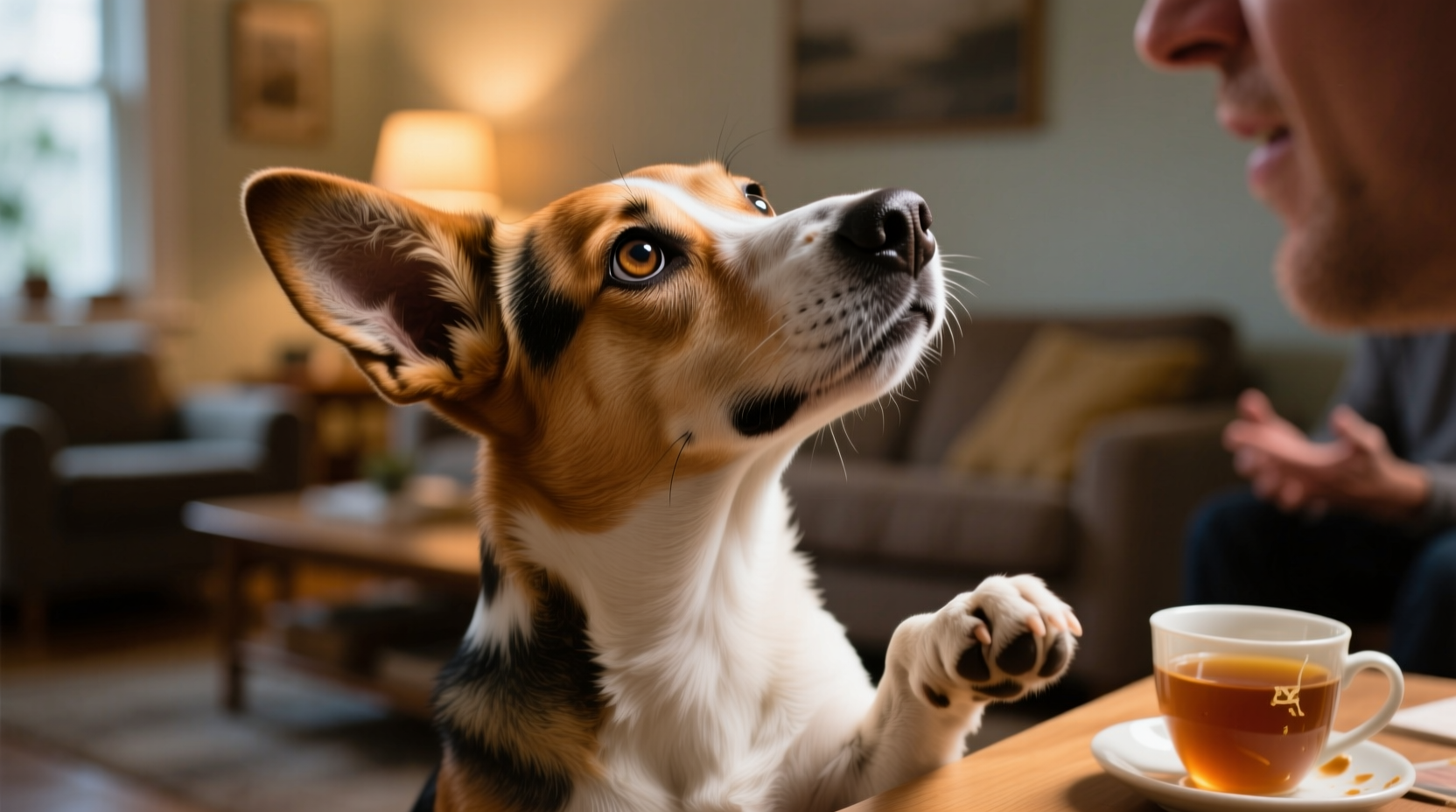
To understand why dogs tilt their heads, we first need to examine their physical structure. A dog’s skull shape, ear placement, and muzzle length all influence how they perceive sound and visual stimuli. Unlike humans, who rely heavily on verbal language, dogs process communication through a combination of tone, pitch, body language, and context.
When a dog hears an unfamiliar or high-pitched sound—like the squeak of a toy or the lilt in your voice when saying “Do you want to go to the park?”—they may tilt their head to adjust the position of their ears. This subtle movement can help them pinpoint the source of the sound more accurately by altering how sound waves enter the ear canal.
Dogs with longer muzzles, such as Collies or Greyhounds, are more likely to tilt their heads than breeds with flatter faces like Pugs or Bulldogs. Why? Because their snouts can partially obstruct their field of vision when looking up at human faces. Tilting helps them see your mouth movements more clearly, which aids in interpreting speech and emotional cues.
“Head tilting is often a sign of active listening. Dogs are trying to gather as much sensory information as possible—auditory, visual, and emotional—to understand what we’re communicating.” — Dr. Alexandra Horowitz, Canine Cognition Researcher, Barnard College
Is It Confusion or Concentration?
The idea that dogs tilt their heads because they’re confused is a common assumption—but it’s largely inaccurate. In most cases, the tilt isn’t a signal of bewilderment but rather a sign of heightened focus. Think of it as the canine equivalent of leaning forward during a conversation to catch every word.
Research suggests that dogs are particularly responsive to intonation and phonetic novelty. A 2022 study published in *Animal Cognition* found that dogs were significantly more likely to tilt their heads when hearing unfamiliar words spoken in a high-pitched, emotionally expressive tone—the same way people often speak to pets. The more linguistically complex or novel the phrase, the greater the chance of a head tilt.
This behavior appears to be linked to the dog’s attempt to match sounds with stored associations. For example, if you suddenly say “pineapple” in an excited tone, your dog might tilt their head, not because they understand the word, but because the tone suggests importance, prompting them to search their memory for related experiences—perhaps the crinkle of a bag or the sight of fruit.
Tip: If your dog frequently tilts their head in response to certain words, use those moments to reinforce training. Pair the sound with a clear action (like grabbing the leash) to strengthen associative learning.Social Bonding and Learned Behavior
Another compelling reason dogs tilt their heads lies in social dynamics. Over thousands of years of domestication, dogs have evolved to read human emotions and respond in ways that strengthen bonds. The head tilt, while initially functional, has also become a socially reinforced behavior.
When dogs tilt their heads, humans typically respond positively—cooing, smiling, or giving treats. This positive feedback loop encourages dogs to repeat the gesture, especially in contexts where they seek attention or approval. In essence, some dogs learn that tilting their head works as a kind of emotional currency.
A mini case study illustrates this well: Bella, a 3-year-old Border Collie, began tilting her head whenever her owner used a questioning tone. Initially, it occurred during training sessions when new commands were introduced. Over time, however, Bella started using the tilt even when she already knew the command—especially when treats were involved. Her owner unconsciously rewarded the behavior with extra praise, reinforcing its use as a manipulative yet charming tactic.
This doesn’t mean the behavior is “fake.” Rather, it shows how dogs blend instinctive responses with learned social strategies. The tilt starts as a genuine attempt to understand, but its effectiveness in eliciting human affection makes it more frequent—even when not strictly necessary.
When Head Tilting Might Signal a Problem
While occasional head tilting is normal and healthy, persistent or uncontrolled tilting can indicate medical issues. If your dog consistently holds their head to one side without external stimuli, or if the tilt is accompanied by loss of balance, circling, vomiting, or changes in appetite, it could point to an underlying condition such as:
- Ear infections (especially middle or inner ear)
- Vestibular disease
- Neurological disorders
- Tumors affecting the brainstem or cranial nerves
In these cases, the tilt isn’t voluntary or communicative—it’s a symptom of discomfort or dysfunction. Unlike the quick, responsive tilt seen during conversation, pathological tilting tends to be constant and rigid.
| Behavior Type | Normal Head Tilt | Abnormal Head Tilt |
|---|---|---|
| Frequency | Occasional, stimulus-based | Constant or prolonged |
| Triggers | Voice, new sounds, questions | None apparent |
| Movement | Quick return to neutral | Held for minutes/hours |
| Associated Signs | Alertness, eye contact | Nystagmus, imbalance, lethargy |
| Action Needed | None | Veterinary evaluation recommended |
If you notice any red flags, consult your veterinarian promptly. Early diagnosis of vestibular or ear conditions greatly improves outcomes.
How to Respond to Your Dog’s Head Tilt
Understanding why your dog tilts their head empowers you to respond appropriately—neither overindulging nor ignoring their attempts to communicate. Here’s a step-by-step guide to making the most of these interactions:
- Observe the context. Is your dog responding to a specific sound, word, or gesture? Note patterns in timing and environment.
- Check for clarity. Speak in a calm, consistent tone. Avoid overly complex sentences. Use clear keywords like “walk,” “dinner,” or “car.”
- Reinforce understanding. When your dog tilts and then performs the correct action, reward immediately with praise or a treat.
- Limit reinforcement of attention-seeking. If the tilt becomes excessive or manipulative, respond less enthusiastically to discourage dependency.
- Monitor health signs. Ensure the behavior remains voluntary and symmetrical. Watch for sudden increases in frequency or associated physical symptoms.
Checklist: Healthy vs. Concerning Head Tilting
- ✅ Occurs only during interaction or novel sounds
- ✅ Dog returns head to neutral quickly
- ✅ Paired with alert eyes and attentive posture
- ✅ No balance issues or disorientation
- ✅ Happens occasionally, not constantly
- ❌ Persistent tilt lasting hours
- ❌ Accompanied by stumbling or falling
- ❌ Discharge from ears or head shaking
- ❌ Loss of appetite or unusual vocalization
Frequently Asked Questions
Do all dogs tilt their heads?
No, not all dogs tilt their heads regularly. Some breeds and individuals are more prone to it due to skull shape or personality. Shy or less socially engaged dogs may show the behavior less frequently. However, most dogs will tilt their heads at least occasionally in response to novel sounds or tones.
Can I train my dog to tilt their head on command?
Yes—with patience and positive reinforcement. Hold a treat slightly above and to the side of your dog’s head, encouraging them to follow it with their gaze. As they turn, their head will naturally tilt. Reward the motion and pair it with a verbal cue like “tilt.” Over time, they’ll associate the word with the action. However, avoid overtraining, as repetitive neck movements could strain muscles.
Does head tilting mean my dog is smarter?
Not necessarily. While head tilting reflects attentiveness and auditory processing, it’s not a direct measure of intelligence. Some highly intelligent breeds tilt less due to confidence in understanding cues, while others may tilt more out of curiosity or sensitivity to sound. Intelligence in dogs is better assessed through problem-solving, adaptability, and obedience.
Conclusion: More Than Just Cute
The dog’s head tilt is far more than a photogenic quirk—it’s a window into their perceptual world. Whether adjusting their ears to catch a faint sound, working to read your lips, or seeking connection through a well-timed gesture, the tilt reveals the depth of canine-human communication.
By recognizing the blend of biology, cognition, and emotion behind this behavior, we deepen our understanding of our companions. We also become more responsible pet owners, able to distinguish between natural expression and potential health concerns.
💬 What does your dog’s head tilt mean to you? Share your stories, observations, or questions in the comments. Let’s build a richer picture of how our dogs listen, learn, and love.








