
Dogs perform a curious ritual that many owners observe daily: just before settling into rest, they often spin in tight circles—sometimes once, sometimes several times—before finally plopping down. While it may seem whimsical or even comical, this behavior is deeply rooted in biology and survival. Far from being random, circling before lying down is an inherited instinct shaped by thousands of years of evolution. Understanding this action offers insight not only into canine behavior but also into the enduring legacy of wolves and other wild ancestors in today’s domesticated pets.
This seemingly simple act serves multiple practical purposes, from safety checks to comfort optimization. By examining its origins, functions, and variations across breeds and environments, we can better appreciate how ancient survival strategies continue to influence modern dog behavior—even in the safety of a living room carpet.
The Ancestral Roots of Circling Behavior
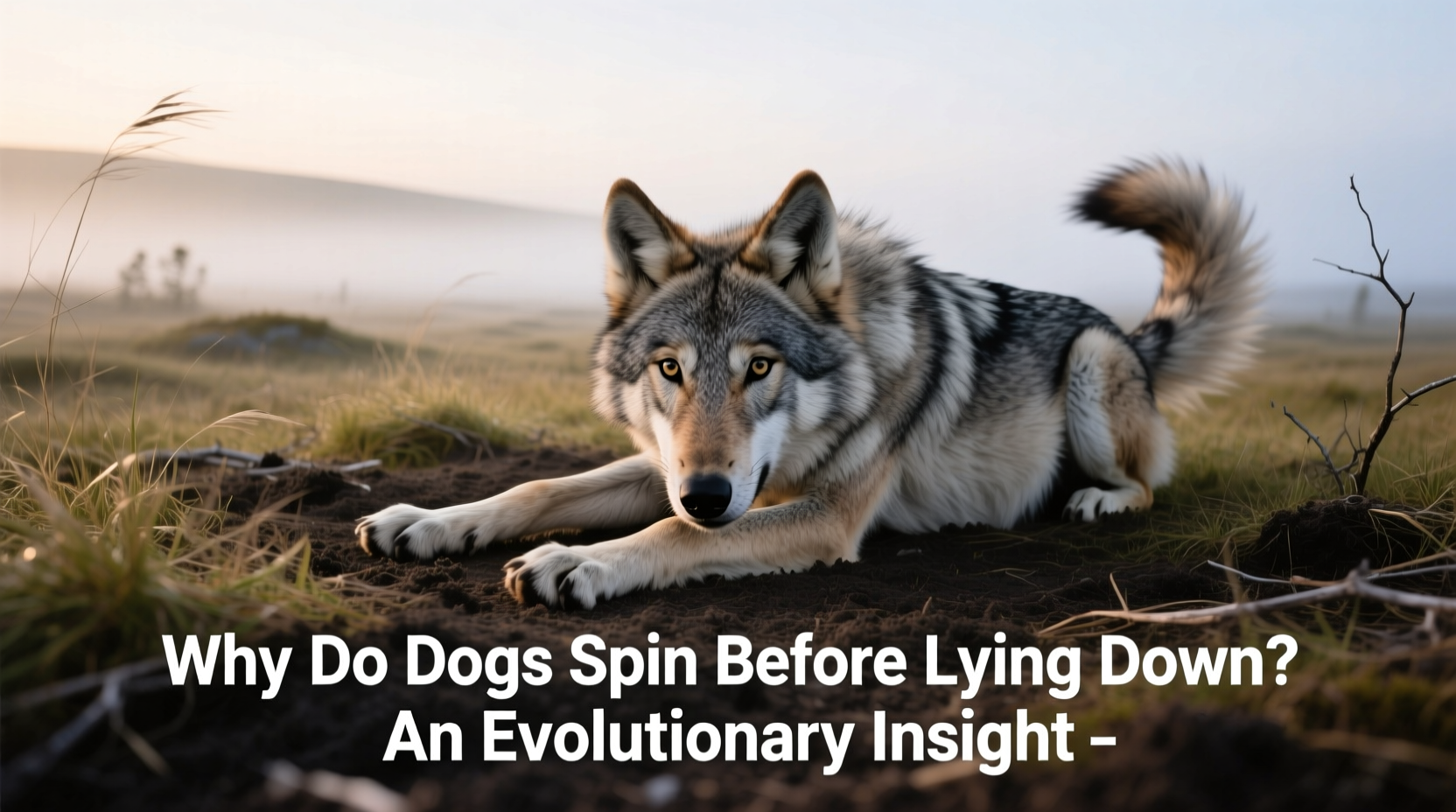
To understand why dogs spin before lying down, one must look back to their wild relatives, particularly the gray wolf (*Canis lupus*), the primary ancestor of all domestic dogs. In the wild, survival depended on vigilance, environmental awareness, and efficient use of energy. Resting spots were not chosen casually; they had to be safe, comfortable, and free of threats such as insects, snakes, or sharp vegetation.
Circling served as a way to prepare a resting area. Wolves and other canids would trample down tall grass, leaves, or snow to create a flat, secure bed. This flattening action not only made the surface more comfortable but also helped reveal hidden dangers like insects, rodents, or reptiles lurking beneath. The spinning motion allowed the animal to scan the surroundings one final time before vulnerability set in during sleep.
“Circling is a hardwired behavior passed down through generations. Even in safe, controlled environments, dogs retain these instincts because evolution doesn’t erase useful traits quickly.” — Dr. Laura Hartman, Canine Ethologist, University of Edinburgh
Additionally, the circular path may have helped mask the animal’s scent by disturbing the ground cover, making it harder for predators or prey to detect them. This behavior was especially crucial for nursing mothers who needed to protect their pups while resting.
Functional Benefits of Spinning Before Rest
While modern dogs no longer face the same environmental pressures as their ancestors, the circling behavior persists due to its functional advantages. These benefits remain relevant even in domestic settings:
- Clearing debris: Though most homes are clean, dogs may still instinctively “check” the surface for twigs, stones, or uneven terrain.
- Territory marking: Dogs have scent glands in their paws. Spinning may help distribute their scent, reinforcing ownership of a sleeping space.
- Temperature regulation: In colder climates, circling could help pack down snow or grass to insulate against cold ground. In warmer areas, it might expose cooler soil underneath.
- Alignment with Earth’s magnetic field: A 2013 study published in *Frontiers in Zoology* found that dogs prefer to align their bodies along the north-south axis when defecating and possibly when resting. Circling may help them orient themselves according to geomagnetic cues.
Variations Across Breeds and Environments
Not all dogs spin the same number of times, and some skip the behavior entirely. These differences can be attributed to breed lineage, environment, and individual temperament.
Sled-pulling breeds like Siberian Huskies or Alaskan Malamutes, which evolved in harsh Arctic conditions, often exhibit pronounced circling behaviors. Their ancestors relied heavily on creating insulated nests in snow, so this trait has been strongly preserved. Similarly, herding and working breeds such as Border Collies or German Shepherds may circle more deliberately due to heightened environmental awareness.
In contrast, toy breeds or those bred primarily for companionship—like Pomeranians or Cavalier King Charles Spaniels—may show reduced circling tendencies. Centuries of selective breeding for docility and indoor adaptability may have softened some ancestral instincts.
| Breed Type | Circling Frequency | Potential Reasons |
|---|---|---|
| Working & Herding (e.g., German Shepherd) | High | Strong prey drive, high alertness, outdoor exposure |
| Sled Dogs (e.g., Husky) | Very High | Historical snow-nesting behavior |
| Toy Companions (e.g., Chihuahua) | Low to Moderate | Indoor adaptation, reduced survival pressure |
| Hounds (e.g., Beagle) | Moderate | Ground-sniffing instinct influences pre-rest routine |
Environment also plays a role. Dogs living outdoors or spending significant time in yards tend to circle more than those who sleep exclusively on soft indoor beds. The texture of the surface—grass, tile, carpet—can trigger different intensities of the behavior. For instance, a dog may spin multiple times on gravel but barely move on a plush rug.
When Circling Signals a Health Concern
While occasional circling is normal, excessive or obsessive spinning can indicate underlying medical or psychological issues. It’s important to distinguish between instinctive preparation and problematic behavior.
Conditions that may cause abnormal circling include:
- Neurological disorders: Vestibular disease, brain tumors, or seizures can lead to disoriented walking patterns.
- Pain or discomfort: Arthritis or hip dysplasia may make dogs fidget repeatedly, trying to find a pain-free position.
- Anxiety or OCD: Some dogs develop compulsive behaviors, including repetitive circling, especially if stressed or under-stimulated.
- Cognitive dysfunction: Older dogs with canine cognitive decline may wander in circles without purpose, often at night.
Step-by-Step Guide: Assessing Abnormal Circling
- Observe frequency and context: Does the dog spin every time before lying down, or randomly throughout the day?
- Note duration: Normal circling lasts 1–3 seconds. Repeated loops lasting minutes suggest concern.
- Check for physical signs: Look for limping, trembling, head tilting, or vocalizations.
- Monitor changes in routine: Has the behavior increased recently? Is it happening at unusual times?
- Consult a veterinarian: Rule out medical causes with a thorough exam, possibly including blood work or imaging.
Real-Life Example: Max the Rescue Husky
Max, a three-year-old Siberian Husky rescued from a rural shelter, exhibited intense circling behavior upon adoption. His new owner, Sarah, noticed he would spin up to ten times before lying down—even on thick memory foam beds indoors. At first, she assumed he was anxious or untrained.
After consulting a veterinary behaviorist, she learned that Max’s background likely played a role. Having spent his early months outdoors in a kennel with gravel and dirt flooring, Max had developed a strong instinct to \"prepare\" his sleeping area. The behavior wasn't anxiety-based but rather a deeply ingrained survival habit.
The specialist recommended gradually desensitizing Max by placing a consistent mat in his preferred resting spot, allowing him to associate that surface with safety. Over time, his circling decreased from ten rotations to two—still present, but significantly reduced. This case illustrates how environment shapes expression of evolutionary behaviors, even in domestic settings.
Frequently Asked Questions
Is it normal for puppies to spin before lying down?
Yes, this behavior often appears as early as 8–10 weeks of age. Puppies learn through observation and instinct, so even young dogs display circling long before they’ve had a chance to mimic adults.
Why does my dog spin and then not lie down?
If a dog circles but doesn’t settle, it may indicate discomfort, distraction, or dissatisfaction with the location. Consider factors like noise, lighting, temperature, or nearby activity. Persistent inability to rest warrants a vet check.
Do wild canids still exhibit this behavior?
Yes. Observational studies of wolves, coyotes, and African wild dogs confirm that circling before rest is common across species. Researchers have documented animals trampling vegetation, sniffing the ground, and performing rotational scans before lying down—supporting its role in environmental assessment.
Conclusion: Honoring Instinct in Modern Companions
The act of spinning before lying down is far more than a quirky habit—it’s a living echo of the wild. Every rotation carries the weight of evolutionary wisdom, refined over millennia to ensure safety, comfort, and survival. While today’s dogs nap on orthopedic beds and heated pads, their brains and bodies still follow scripts written in forests, tundras, and open plains.
Recognizing this behavior as meaningful—not merely odd—allows us to deepen our understanding of canine psychology. Instead of discouraging it, we can accommodate it by providing consistent, comfortable resting zones and respecting the subtle rituals that make dogs who they are.
Next time your dog spins before curling up, take a moment to appreciate the journey behind that simple turn. It’s not just settling in for a nap—it’s a descendant of wolves preparing its den, one careful circle at a time.
💬 Have you noticed differences in how your dog circles compared to others? Share your observations in the comments and contribute to a deeper understanding of this fascinating behavior.








