
Dogs perform a curious little ritual before settling in for a nap: they turn in tight circles, sometimes once, sometimes several times, as if adjusting an invisible bed beneath them. This seemingly odd habit is so common that most dog owners barely notice it anymore. Yet behind this simple action lies a deep-rooted evolutionary legacy—one shaped by survival, environment, and instinct passed down from ancient ancestors. Understanding why dogs spin before lying down offers more than just a fun fact; it reveals how deeply ingrained behaviors persist even in domesticated animals living in modern homes.
The Origins of Circling Behavior
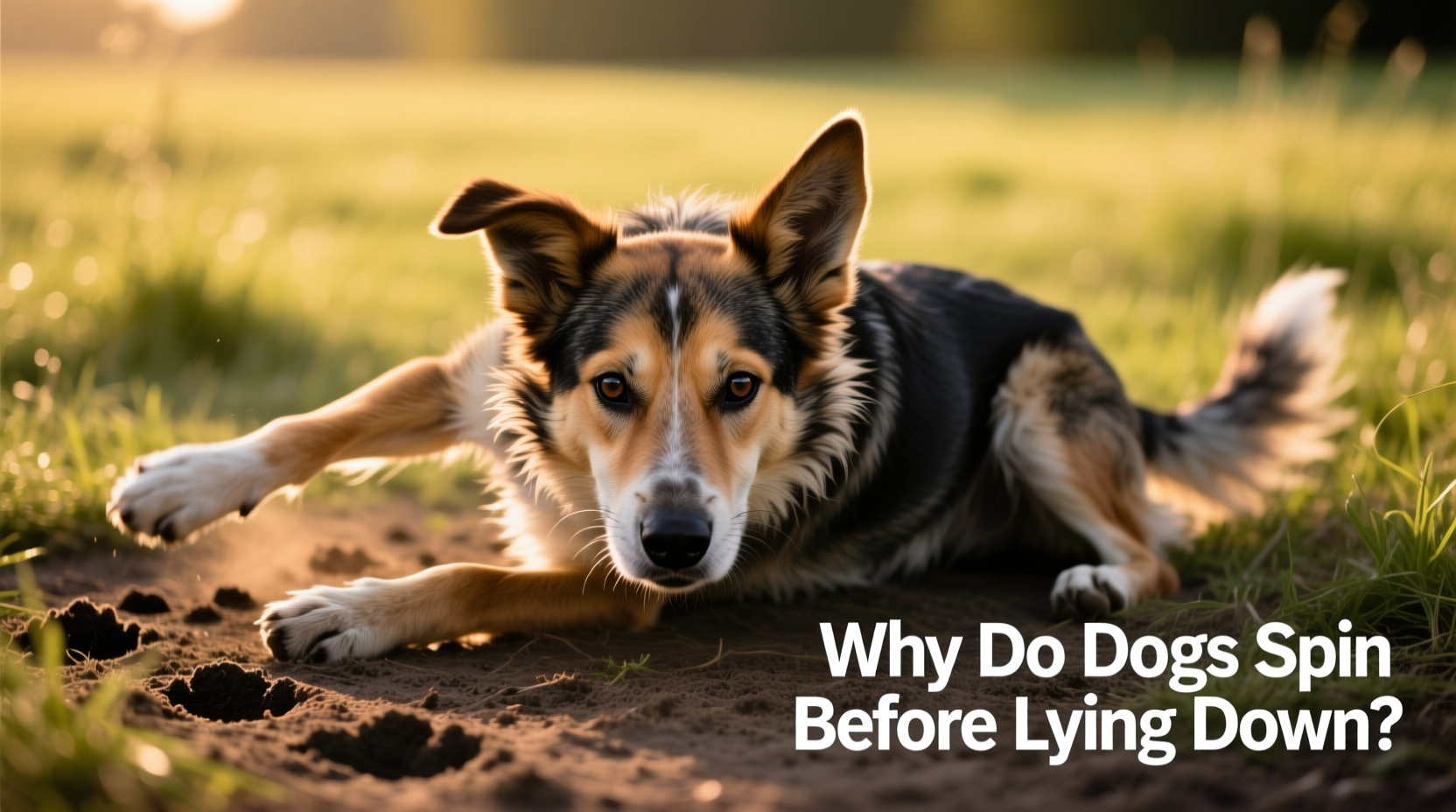
The circular pre-sleep routine observed in dogs today has roots stretching back thousands of years to their wild relatives—wolves, coyotes, and other canids. In natural environments, safety and comfort were not guaranteed. Open fields, forest floors, and rocky terrain posed threats ranging from hidden predators to sharp objects and biting insects. To mitigate these risks, wild canines developed a set of instinctual habits to prepare their resting spots.
Circling served multiple practical purposes. First, it helped flatten tall grass or snow, creating a more comfortable depression to lie in—essentially crafting a makeshift nest. Second, the motion disturbed snakes, insects, or other small creatures hiding in the underbrush, reducing the chance of surprise attacks during vulnerable moments like sleep. Third, turning in circles may have helped align the body with environmental cues such as wind direction or magnetic fields, optimizing awareness of approaching danger.
“Circling is a hardwired survival mechanism. Even in safe indoor environments, dogs continue this behavior because the instinct hasn’t been bred out—it wasn’t harmful, so there was no evolutionary pressure to eliminate it.” — Dr. Lena Torres, Canine Ethologist at the Institute for Animal Behavior Research
Instinct vs. Environment: Why It Persists Today
In modern homes, dogs face none of the dangers their ancestors did. Their beds are clean, soft, and free of pests. Yet they still spin. This persistence highlights a key principle in animal behavior: instincts don’t disappear simply because the original threat does. Evolution favors traits that enhance survival, but it doesn’t actively remove behaviors unless they become detrimental.
From a neurological standpoint, circling is likely controlled by subcortical brain regions responsible for automatic, repetitive actions—similar to how humans might tuck a blanket around themselves before sleeping without conscious thought. These motor patterns are encoded early in development and remain consistent across breeds, suggesting a strong genetic component.
Interestingly, some studies suggest that dogs often circle in a preferred direction—many show a bias toward clockwise turns. Researchers believe this could be linked to hemispheric dominance in the brain, much like human handedness. While the exact implications are still being studied, directional preferences reinforce the idea that circling is not random but a structured, biologically programmed act.
Tip: If your dog suddenly stops circling before lying down—or starts doing it excessively—monitor for changes in mobility or signs of discomfort. Sudden behavioral shifts can indicate pain or neurological issues.Functional Benefits Beyond Evolution
While the primary driver of circling is ancestral instinct, the behavior may still offer subtle benefits in contemporary settings:
- Temperature Regulation: In cooler climates, spinning helps pack down bedding material, trapping body heat. In warmer areas, dogs may spread out thin layers of fabric or fur to improve airflow.
- Scent Marking: Paws contain sweat glands that release pheromones. Turning in place may help mark the sleeping area with the dog’s unique scent, reinforcing territorial familiarity.
- Joint Preparation: The slight twisting motion warms up joints and muscles, potentially easing the transition into a recumbent position—especially valuable for older dogs with arthritis.
- Routine & Security: Like bedtime rituals in humans, circling provides psychological comfort. It signals the body that it’s time to relax, contributing to better sleep quality.
A Closer Look at Breed Differences
Not all dogs circle the same way—or at all. Observational data suggests variation based on breed, size, and coat type:
| Breed Type | Circling Frequency | Possible Reasons |
|---|---|---|
| Northern Breeds (e.g., Huskies, Malamutes) | High | Strong instinct to create insulated nests in snow; thick coats benefit from compacted bedding. |
| Terriers and Herding Dogs | Moderate | Alertness remains high; shorter circling due to preference for quick rest breaks. |
| Bulldogs and Brachycephalic Breeds | Low to None | Limited mobility and joint strain reduce inclination to spin; often plop directly down. |
| Toy Breeds (e.g., Chihuahuas, Pomeranians) | Variable | May circle once or twice; often seek elevated or enclosed spaces instead. |
This variation underscores that while the behavior is widespread, its expression depends on both genetics and physical capability.
When Circling Signals a Problem
Occasional spinning before lying down is normal. However, certain patterns warrant attention:
- Excessive circling (more than 5–6 rotations)
- Inability to settle after repeated attempts
- Vocalizations during the process (whining, groaning)
- Sudden onset in older dogs who never did it before
These signs may point to underlying medical conditions such as vestibular disease, cognitive dysfunction syndrome (commonly known as doggy dementia), spinal issues, or joint pain. For example, a dog with hip dysplasia might struggle to find a comfortable position, leading to prolonged circling or aborted attempts to lie down.
“Older dogs exhibiting new circling behaviors should be evaluated by a veterinarian. What looks like a quirky habit could be early-stage neurological decline.” — Dr. Alan Reeves, Veterinary Neurologist, Pacific Animal Health Center
Mini Case Study: Max, the Senior Labrador
Max, a 10-year-old yellow Labrador, had always been a calm dog who settled quickly after walks. Over the course of two months, his owner noticed he began walking in tight circles four or five times before lying down—and sometimes wouldn’t lie down at all, pacing instead. Concerned, she brought him to her vet. After a neurological exam and blood work, Max was diagnosed with mild cognitive dysfunction. His circling wasn’t just habit; it was a sign of confusion and difficulty transitioning into rest states. With medication and environmental enrichment (including memory games and scheduled naps), Max’s behavior improved significantly within six weeks.
This case illustrates how understanding the baseline of normal behavior allows owners to detect deviations that signal health concerns.
Step-by-Step: Supporting Your Dog’s Natural Routines
You can’t—and shouldn’t—stop your dog from circling. Instead, support the behavior in healthy ways:
- Provide Adequate Space: Ensure your dog has room to move freely when choosing a resting spot. Cramped quarters can interfere with natural positioning.
- Choose Supportive Bedding: Use orthopedic or memory foam beds, especially for senior dogs. A good surface reduces joint stress and makes settling easier.
- Maintain Consistent Routines: Dogs thrive on predictability. Feeding, walking, and resting at regular times reinforce a sense of security.
- Monitor Changes: Keep notes on any shifts in sleeping habits, including circling frequency, duration, or posture.
- Schedule Annual Checkups: Early detection of age-related conditions ensures timely intervention.
Frequently Asked Questions
Do all dogs spin before lying down?
No—not all dogs do. While it’s a common instinct, some skip the behavior entirely, particularly breeds with physical limitations or those raised in highly predictable environments. Individual temperament also plays a role; anxious dogs may circle more, while confident ones may settle faster.
Is circling related to OCD in dogs?
Occasional circling is not obsessive-compulsive. True canine compulsive disorder involves repetitive, functionless behaviors that interfere with daily life—such as constant tail chasing, licking, or pacing. If circling becomes rigid, excessive, or occurs in inappropriate contexts (like mid-walk), consult a veterinary behaviorist.
Can I train my dog to stop spinning?
It’s neither necessary nor advisable to suppress this natural behavior. Attempting to correct it may cause stress. Focus instead on ensuring the environment supports safe, comfortable movement.
Checklist: Is Your Dog’s Circling Normal?
- ✅ Circles 1–3 times before lying down
- ✅ Lies down smoothly after circling
- ✅ Shows no signs of pain or hesitation
- ✅ Behavior is consistent over time
- ✅ No vocalization or agitation during the process
- ⚠️ If any item above is NO, consider a vet consultation
Conclusion: Honoring Ancient Instincts in Modern Companions
The simple act of a dog spinning before lying down is far more than a quirk—it’s a living echo of survival strategies refined over millennia. From flattening grass to avoiding predators, every rotation once had a purpose critical to staying alive. Today, those same movements persist, not out of necessity, but as a testament to the power of instinct.
As pet owners, recognizing these behaviors for what they are—windows into our dogs’ evolutionary past—deepens our appreciation and strengthens our bond. Rather than seeing them as oddities, we can view them as meaningful expressions of nature’s design. By supporting our dogs’ natural routines with thoughtful care, appropriate bedding, and attentive monitoring, we honor both their heritage and their well-being.
💬 Have you noticed differences in how your dog circles compared to others? Share your observations in the comments—your insights could help fellow dog lovers understand this fascinating behavior even better.








