Dogs perform a variety of behaviors that seem whimsical or even comical to their human companions. One of the most common—and endearing—is the pre-sleep spin. Before settling into their bed, crate, or favorite patch of carpet, many dogs will turn in tight circles, sometimes multiple times, before finally flopping down. While it might appear random, this behavior is far from arbitrary. It’s a deeply ingrained evolutionary instinct with roots stretching back thousands of years to the wild ancestors of modern domesticated dogs.
This spinning ritual isn’t just about comfort; it’s a survival mechanism refined over generations. Understanding why dogs spin before lying down offers insight into canine psychology, physiology, and the enduring legacy of their wolfish heritage. From trampling down grass in the wild to checking for threats, every rotation serves a purpose—many of which still benefit dogs today, even in climate-controlled homes.
The Evolutionary Origins of Spinning Behavior
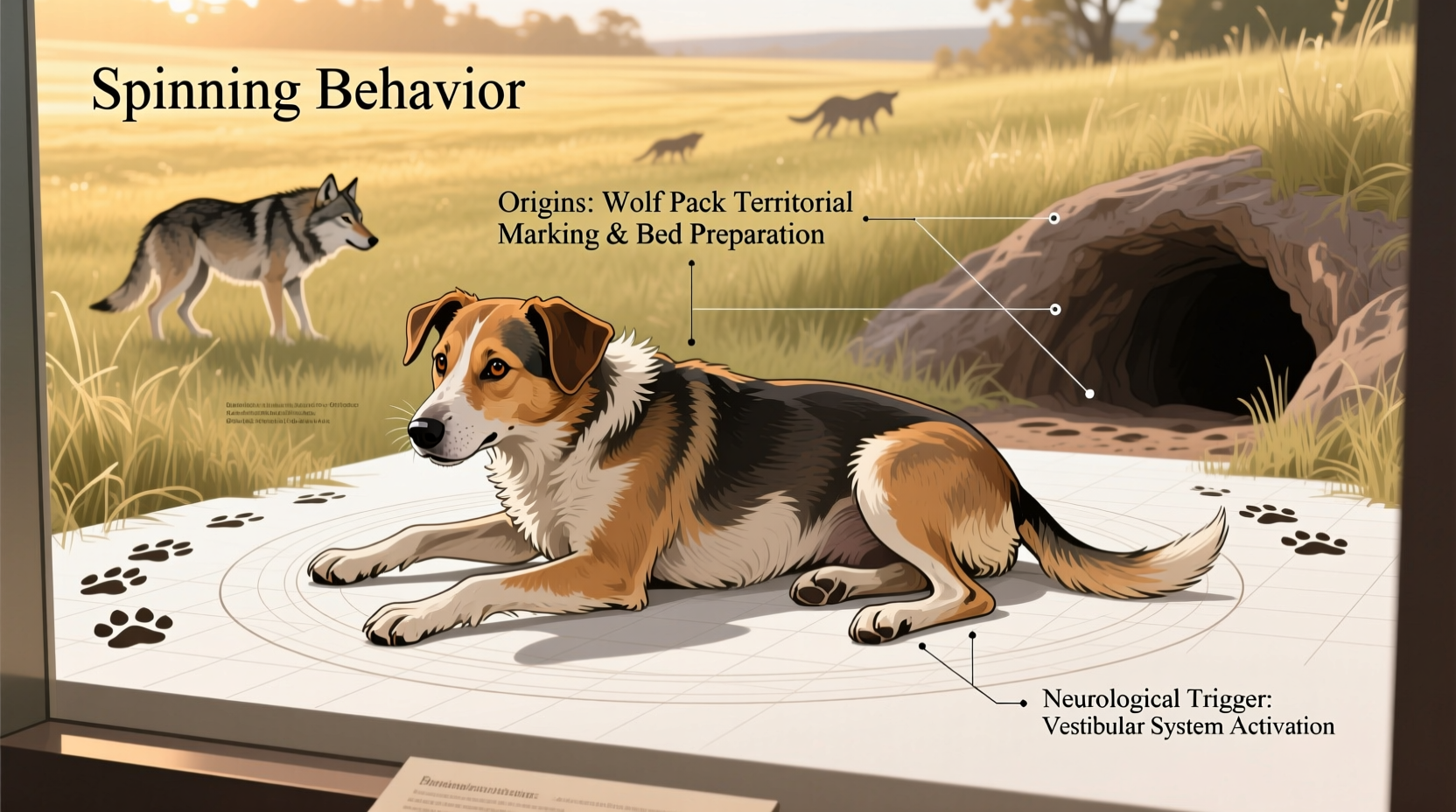
To understand the spinning behavior, we must look to the past. The domestic dog (Canis lupus familiaris) shares a direct lineage with the gray wolf (Canis lupus). Long before dogs had plush orthopedic beds, they slept on uneven terrain—dirt, leaves, snow, or tall grass. In such environments, safety and comfort were not guaranteed. Wolves and early proto-dogs developed routines to prepare their resting spots, and circling was one of them.
Circling served several practical functions in the wild:
- Trampling vegetation: By walking in circles, animals could flatten tall grass or underbrush, creating a safer, more visible nest. This minimized hiding spots for snakes, insects, or other small predators.
- Temperature regulation: In colder climates, circling helped pack down snow or insulate a den-like depression. In warmer areas, it could expose cooler soil beneath the surface.
- Scent marking and orientation: As dogs walk in circles, they deposit scent from glands in their paws, reinforcing territorial boundaries and marking a safe zone.
- Visual scanning: Each rotation allows the animal to scan its surroundings for movement, potential threats, or competitors before committing to a vulnerable state like sleep.
These behaviors were naturally selected over time. Dogs that took precautions before lying down were more likely to survive, reproduce, and pass on these instincts. Even though modern dogs don’t face the same environmental pressures, the genetic programming remains active.
“Circling before lying down is a hardwired behavior passed down from wild canids. It reflects an ancient need for security and environmental control.” — Dr. Laura Bongianni, Canine Ethologist, University of Padua
The Role of Comfort and Safety in Modern Dogs
While today’s dogs are unlikely to encounter venomous snakes in their living rooms, the instinct to circle persists. This is because evolution doesn’t erase useful behaviors quickly—especially those tied to fundamental needs like rest and safety. Even in secure indoor environments, dogs continue to “test” their sleeping area through motion and scent.
In domestic settings, spinning may serve additional subtle purposes:
- Adjusting bedding: Dogs may be aligning blankets, shifting cushions, or flattening creases in a dog bed—mimicking the trampling action of their ancestors.
- Body positioning: Some experts believe circling helps dogs find the optimal posture for joint alignment, especially in older dogs with arthritis.
- Routine and ritual: Like humans who fluff pillows or straighten blankets before bed, dogs may find psychological comfort in a consistent pre-sleep routine.
Interestingly, the number of spins varies between individuals. Some dogs complete one full rotation; others may spin three, four, or more times. This variation suggests both genetic predisposition and learned behavior play roles. Puppies often mimic their mothers, reinforcing the habit early in life.
Tip: If your dog suddenly stops spinning before lying down—or starts spinning excessively—monitor for signs of pain or neurological issues. Sudden behavioral changes can indicate underlying health problems.When Spinning Signals a Health Concern
While occasional spinning is normal, certain patterns may point to medical or neurological conditions. Excessive circling, difficulty settling, or disoriented movements should be evaluated by a veterinarian. Possible causes include:
- Vestibular disease: Affects balance and spatial orientation, often seen in older dogs.
- Canine cognitive dysfunction (CCD): Similar to dementia in humans, CCD can cause repetitive behaviors and confusion.
- Pain or discomfort: Arthritis, hip dysplasia, or spinal issues may make it difficult for a dog to lie down comfortably, leading to prolonged circling or aborted attempts.
- Anxiety or OCD: Compulsive spinning without settling may indicate anxiety or obsessive-compulsive disorder, especially if accompanied by pacing or licking.
A key differentiator is whether the dog completes the sequence. Normal spinning ends with relaxation. Abnormal behavior may involve endless rotations, agitation, or vocalization.
| Behavior | Normal? | When to Worry |
|---|---|---|
| 1–4 spins before lying down | Yes | None – typical instinctual behavior |
| Spins but fails to lie down | No | Possible pain or anxiety; consult vet |
| Excessive spinning (>10 turns) | No | Neurological or compulsive issue |
| Spinning during daytime or awake periods | No | May indicate disorientation or stress |
| Head tilt + loss of balance during spin | No | Vestibular disease likely |
Real-Life Example: Max, the Rescue Shepherd
Max, a five-year-old German Shepherd mix, was adopted from a rural shelter where he lived outdoors year-round. After moving into a quiet suburban home, his new owners noticed he would spin vigorously before lying on his indoor dog bed—sometimes up to six times—even on thick memory foam. At first, they thought it was odd, but a consultation with a veterinary behaviorist revealed the behavior made sense given Max’s background.
Having spent much of his early life on uneven ground, Max’s circling was a deeply conditioned response to ensure safety and comfort. Over time, as he grew more secure in his environment, the number of spins decreased to two or three. His owners also introduced a heated mat in winter, which further reduced his need to “prepare” the space. This case illustrates how environment, history, and instinct interact in shaping canine behavior.
Step-by-Step: How to Support Healthy Pre-Sleep Behavior
If you want to support your dog’s natural instincts while ensuring comfort and well-being, follow this practical guide:
- Provide a consistent sleeping area: Dogs thrive on routine. Use the same bed or blanket location daily to reinforce security.
- Choose supportive bedding: Orthopedic or memory foam beds help older dogs settle faster and reduce joint strain.
- Observe the pattern: Note how many spins your dog makes and whether they successfully lie down afterward.
- Check for obstacles: Ensure the sleeping zone is free of sharp objects, drafts, or noise disturbances that might interrupt settling.
- Monitor changes: Sudden increases or decreases in spinning should prompt a vet visit, especially in senior dogs.
- Reduce anxiety: If your dog seems restless, consider calming aids like pheromone diffusers or white noise machines.
- Encourage exercise: A tired dog is more likely to settle quickly. Daily walks and mental stimulation promote better sleep hygiene.
Expert Tips for Dog Owners
Tip: Never punish or interrupt your dog while spinning. This is a natural behavior, and interference may increase stress or confusion. Tip: If your dog spins on carpets or hardwood, trim their nails regularly to prevent slipping and improve traction during rotation. Tip: For anxious dogs, create a bedtime ritual: a short walk, gentle brushing, then access to their bed. Predictability reduces stress.Frequently Asked Questions
Do all dog breeds spin before lying down?
No, not all dogs spin consistently. While the behavior is widespread, some breeds or individuals may show little to no circling. Smaller breeds or those with limited mobility may skip the ritual. Genetics, environment, and personality all influence the tendency.
Why does my dog spin and then not lie down?
If your dog spins but doesn’t settle, it could signal discomfort, pain, anxiety, or environmental stressors. Check for physical issues like sore joints, overheating, or loud noises. Persistent failure to rest warrants a veterinary evaluation.
Is spinning related to mating behavior?
Not typically. While female dogs in heat may exhibit restlessness or circling due to hormonal changes, the pre-sleep spin is unrelated to reproduction. It’s primarily a nesting and safety behavior, not a mating display.
Conclusion: Honoring the Instincts of Our Canine Companions
The simple act of spinning before lying down is a window into the rich evolutionary history of dogs. What appears to be a quirky habit is, in fact, a sophisticated survival strategy refined over millennia. From wolves trampling snow dens to modern pets adjusting their memory foam beds, the core motivation remains the same: safety, comfort, and control over their environment.
As dog owners, understanding these instincts allows us to provide better care. We can honor our pets’ natural behaviors while ensuring their physical and emotional needs are met. Instead of seeing the spin as odd, we can appreciate it as a living echo of the wild—a testament to the resilience and adaptability of the species.
💬 Have you noticed your dog’s spinning habits? Does your pet do two turns or five? Share your observations in the comments and join the conversation about canine behavior!








