Dogs greet one another in ways that often seem strange—or even comical—to humans. One of the most common, yet puzzling, behaviors is when two dogs meet and immediately sniff each other’s rear ends. While this might appear odd or impolite from a human perspective, it’s actually a deeply rooted, instinctive form of communication among canines. Far from being random or rude, this behavior serves multiple biological, social, and informational purposes. Understanding why dogs engage in this ritual offers valuable insight into their world—a world dominated not by sight or sound, but by scent.
The Science Behind Canine Scent Detection
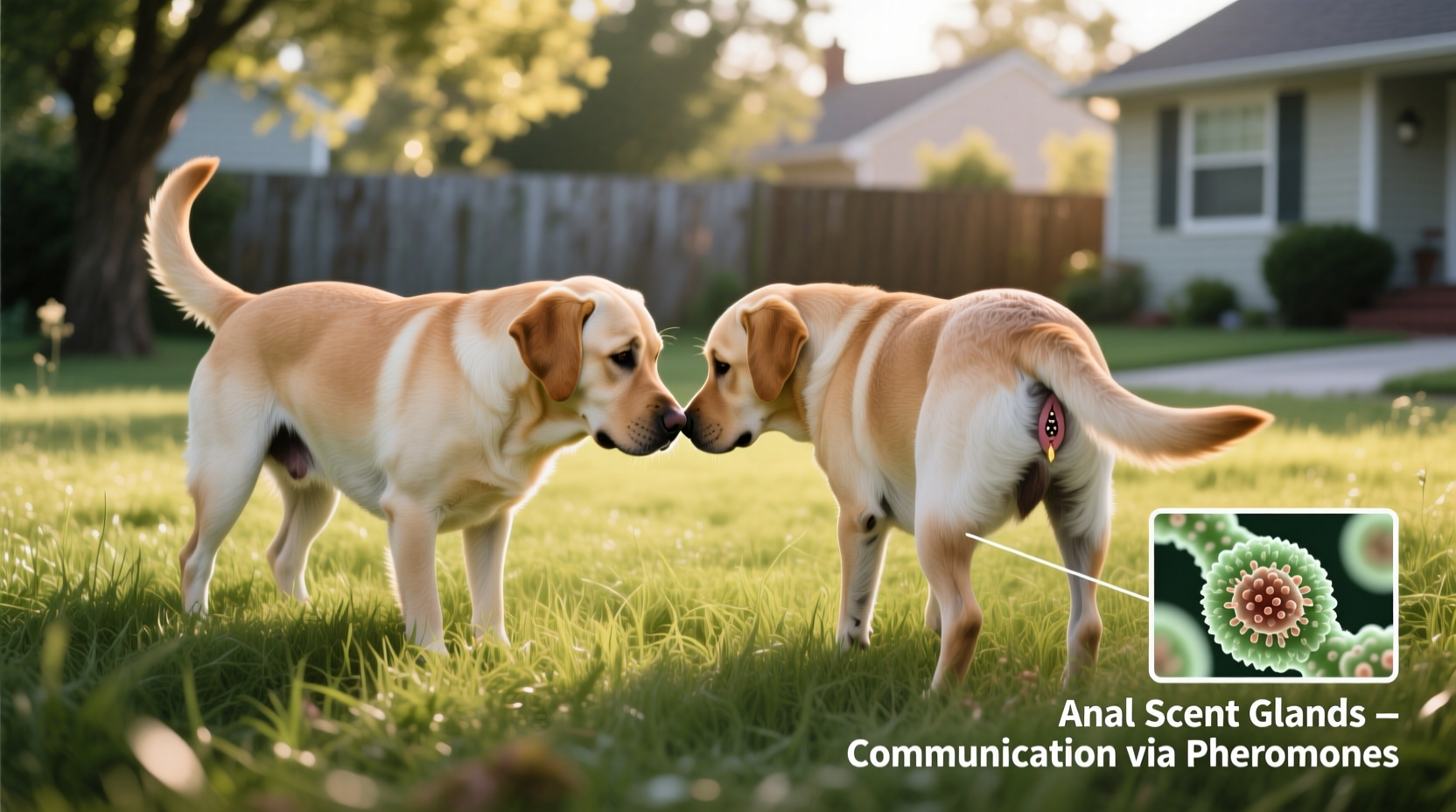
Dogs possess an extraordinary sense of smell—far beyond human capability. The average dog has up to 300 million olfactory receptors in their noses, compared to about 6 million in humans. Their brains also dedicate a significantly larger area to analyzing smells. But what makes their sniffing so effective isn’t just quantity—it’s quality. Dogs use a specialized organ called the vomeronasal organ (or Jacobson’s organ), located in the nasal cavity, which detects pheromones and other chemical signals that convey detailed information about other animals.
This organ allows dogs to interpret complex data such as emotional state, reproductive status, health condition, and even stress levels—all through scent alone. When dogs sniff each other, especially around the anal region, they’re tapping into a rich source of biochemical information stored in secretions from the anal glands.
Tip: Never interrupt dogs during mutual sniffing—it’s a critical part of their social protocol and stopping them may cause confusion or anxiety.Anal Glands: Nature’s ID Card
The anal glands, or sacs, are small pouches located on either side of a dog’s anus. These glands produce a unique, pungent secretion that is released during defecation—and sometimes when a dog is frightened or excited. Each dog’s secretion carries a distinct chemical signature, much like a fingerprint. This individualized scent profile contains layers of information:
- Identity: Who the dog is, including breed tendencies and lineage clues.
- Sex and Reproductive Status: Whether the dog is male or female, neutered or intact, and if a female is in heat.
- Health Indicators: Changes in gland secretions can signal infections, digestive issues, or hormonal imbalances.
- Mood and Stress Level: Pheromones reflect current emotional states, helping dogs assess whether another animal is friendly, fearful, or aggressive.
When dogs sniff each other’s rear ends, they’re essentially “reading” this biological ID card. It’s their primary method of gathering personal details quickly and efficiently. In fact, studies suggest that within seconds of sniffing, a dog can determine whether another dog poses a threat, is a potential mate, or is simply a neutral party.
“Dogs don’t shake hands—they sniff. It’s their version of exchanging business cards, with far more detail than we could ever verbally share.” — Dr. Alexandra Horowitz, Cognitive Scientist and Author of *Inside of a Dog*
Social Etiquette in the Canine World
In human culture, we rely on visual cues, tone of voice, and verbal greetings to establish rapport. Dogs, however, operate on a different social code—one governed by scent rather than speech. Sniffing another dog’s rear end is not only acceptable; it’s expected and polite in dog society.
Imagine two unfamiliar dogs meeting at a park. Before any play or interaction begins, they typically circle slightly, approach cautiously, and initiate rear-end investigation. This ritual serves several social functions:
- De-escalation of Tension: By engaging in a predictable, non-threatening behavior, both dogs signal peaceful intent.
- Establishing Hierarchy: Subtle body language during sniffing helps determine dominance or submission without physical confrontation.
- Building Trust: Mutual sniffing creates a baseline of familiarity, reducing the likelihood of aggression.
Interestingly, dogs often sniff first before being sniffed themselves, creating a reciprocal exchange. If one dog refuses to allow sniffing or becomes overly aggressive during the process, it can disrupt the social flow and lead to conflict. This highlights how essential this behavior is to smooth canine interactions.
Mini Case Study: The Park Encounter
Consider a real-life example: Max, a three-year-old Golden Retriever, visits a new dog park for the first time. He approaches Luna, a confident Border Collie, wagging his tail but keeping his body low. Instead of barking or lunging, Max turns slightly and presents his rear. Luna sniffs carefully for about five seconds, then steps back and initiates play with a bow. Within moments, the two are chasing each other joyfully.
This scenario illustrates how rear-sniffing acts as a social passport. Without words or gestures, Max communicated, “I come in peace,” while Luna gathered enough information to decide he was safe. Had they skipped this step, the interaction might have escalated into fear or misunderstanding.
Is Rear-Sniffing Always Appropriate?
While this behavior is natural and functional, there are contexts where it may need to be managed—especially in multi-dog households or training environments. Some dogs become obsessive sniffers, lingering too long or attempting to sniff inappropriate areas. Others may react negatively if sniffed, particularly if they’ve had negative experiences or feel insecure.
It’s important to recognize that while sniffing is normal, balance matters. Just as humans appreciate personal space, dogs benefit from boundaries. Overly persistent sniffing can be perceived as intrusive or dominant, potentially triggering defensive reactions.
| Scenario | Appropriate Behavior | Potential Red Flag |
|---|---|---|
| Dogs meeting for the first time | Brief, reciprocal sniffing followed by relaxed posture | One dog blocks access or growls during sniffing |
| Dominant-submissive interaction | Submissive dog avoids eye contact, allows sniffing | Dominant dog pins or mounts immediately after |
| Overexcited dog | Sniffing followed by play invitation (bow, chase) | Excessive licking, mounting, or refusal to disengage |
| Fearful or anxious dog | Avoids direct approach, may tuck tail | Snapping or biting when sniffed despite clear discomfort |
How Owners Can Support Healthy Canine Communication
As pet owners, understanding this behavior empowers us to support our dogs’ natural instincts while ensuring safe, respectful interactions. Here are actionable strategies to promote healthy sniff-based communication:
- Allow Time for Greetings: When dogs meet, give them space and time to perform their sniffing ritual without rushing them.
- Observe Body Language: Look for signs of comfort (relaxed ears, wagging tail) versus tension (stiff posture, raised hackles).
- Avoid Leash Pulling: Tight leashes can increase stress. Use loose-leash walking to let dogs control their approach.
- Respect Individual Preferences: Some dogs prefer minimal contact. Don’t force interactions if a dog shows reluctance.
- Monitor Frequency and Duration: Occasional sniffing is fine; prolonged or obsessive behavior may require redirection or training.
Checklist: Supporting Natural Dog-to-Dog Interaction
- ✅ Allow dogs to sniff freely during initial meetings
- ✅ Keep leashes loose to reduce tension
- ✅ Watch for calming signals (licking lips, turning head)
- ✅ Separate dogs if sniffing escalates into aggression
- ✅ Provide alternative outlets for scent exploration (snuffle mats, scent games)
- ✅ Consult a trainer if your dog shows extreme fear or obsession around sniffing
FAQ: Common Questions About Dog Sniffing Behavior
Why do dogs sniff people’s crotches too?
Dogs sniff human groin areas because sweat glands (apocrine glands) in that region release pheromones similar to those found in canine anal glands. To a dog, this is a logical place to gather information. While socially inappropriate for humans, it’s biologically driven. Redirecting the dog gently with a toy or command can help discourage the habit.
Can excessive rear-sniffing indicate a health problem?
Occasional sniffing is normal, but if your dog obsessively licks its own rear, scoots on the floor, or emits a foul odor, it may indicate impacted or infected anal glands. These require veterinary attention. Chronic issues can stem from poor diet, allergies, or lack of fiber.
Should I stop my dog from sniffing other dogs?
No—unless the interaction becomes aggressive or one dog clearly wants to disengage. Interrupting natural communication can confuse dogs and hinder social development. Instead, supervise and guide the interaction calmly.
Conclusion: Embracing the Nose-Centric World of Dogs
To truly understand dogs, we must see the world through their nose—not our eyes. Sniffing another dog’s rear end isn’t crude or unsanitary from a canine perspective; it’s intelligent, informative, and essential. This behavior is a cornerstone of dog communication, allowing them to navigate complex social landscapes with precision and efficiency.
By respecting this instinctive ritual, we honor our pets’ natural intelligence and support their emotional well-being. Rather than judging or suppressing these behaviors, we should observe, learn, and facilitate healthy interactions. After all, every sniff tells a story—one written in chemistry, shaped by evolution, and vital to the life of a dog.
💬 Have you observed interesting sniffing behaviors between dogs? Share your experiences or questions in the comments—let’s deepen our understanding of canine communication together!








