Dog owners often observe their pets engaging in behaviors that seem odd or even unhygienic—like licking each other’s mouths. While it may appear strange to humans, mouth licking among dogs is a natural, deeply rooted form of communication. This behavior spans across age groups, breeds, and social settings, serving multiple purposes from submission to bonding. Understanding why dogs do this offers valuable insight into canine psychology and helps foster better human-dog relationships.
The Evolutionary Roots of Mouth Licking
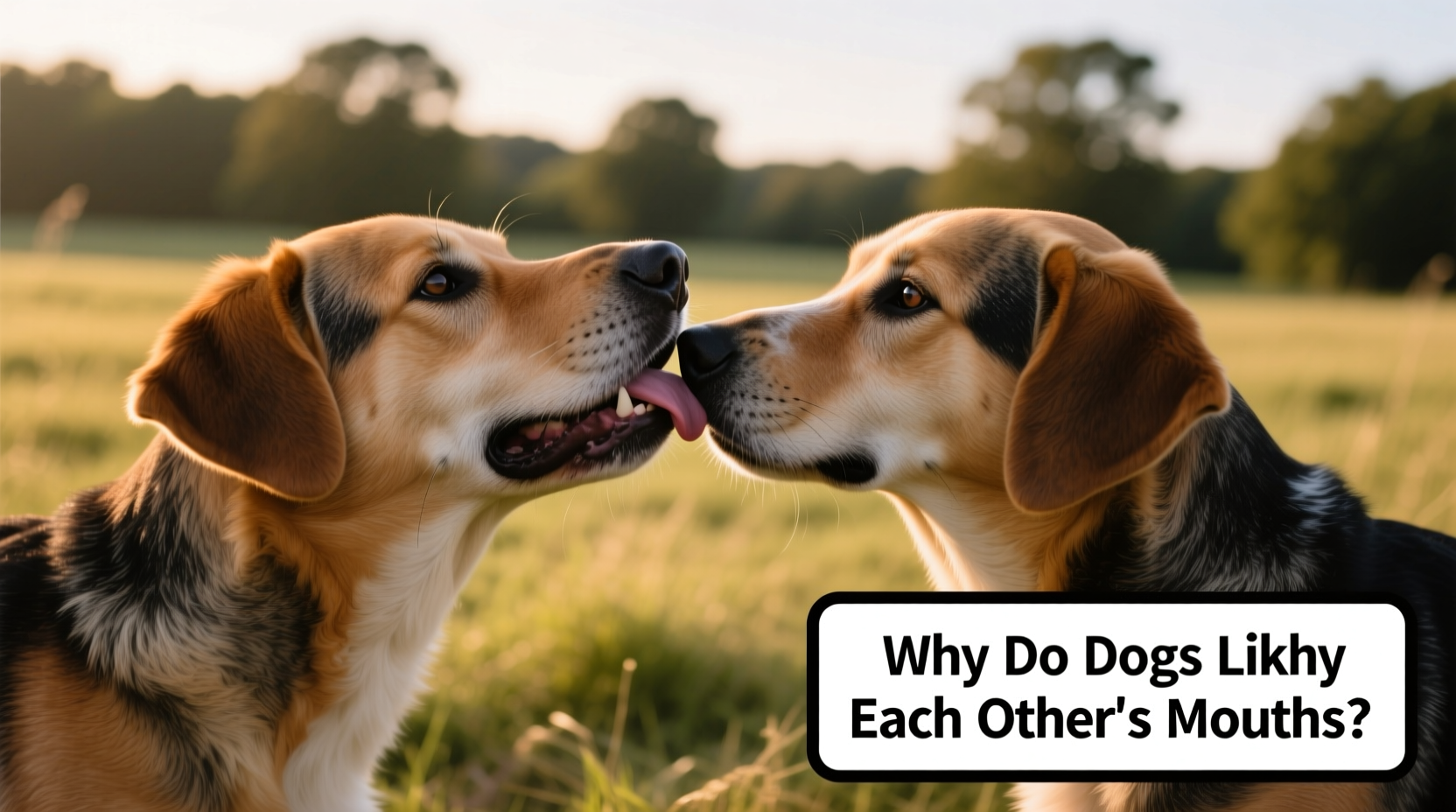
In the wild, canines such as wolves and wild dogs use mouth licking as a survival mechanism. Puppies instinctively lick around the mouths of adult pack members to encourage regurgitation of pre-digested food—a vital source of nutrition before they can hunt or eat solid food independently. This early-life behavior has been retained through domestication, even though modern dogs no longer rely on regurgitated meals.
Over time, the act evolved beyond feeding. It became a ritualized gesture embedded in social hierarchy and emotional expression. What began as a practical feeding trigger transformed into a nuanced signal used to convey respect, deference, and affiliation within a group.
“Mouth licking in dogs is less about hunger and more about social harmony. It’s a peaceful gesture that reduces tension and reinforces bonds.” — Dr. Sarah Bennison, Canine Behavior Researcher, University of Edinburgh
Social Significance: Submission and Respect
One of the most common reasons adult dogs lick another dog’s mouth is to display submission. When a lower-ranking dog approaches a dominant one, it may perform a quick lip or muzzle lick as a non-threatening gesture. This signals, “I mean no harm,” helping to prevent conflict.
This behavior is especially noticeable during initial greetings. A smaller or younger dog approaching a larger or unfamiliar dog will often avoid direct eye contact and offer a brief mouth lick to show deference. In multi-dog households, the same dynamic plays out regularly, reinforcing the established social order without aggression.
Tip: If your dog licks another dog’s mouth during introductions, don’t discourage it—it’s a healthy sign of social awareness.Bonding and Affection Among Familiar Dogs
While submission is a key driver, mouth licking also strengthens social bonds between dogs that know and trust each other. Housemates, siblings, or dogs who frequently play together may engage in mutual mouth licking as a sign of affection. It’s similar to how humans might hug or pat each other on the back after a positive interaction.
In these cases, the licking tends to be gentle, reciprocal, and accompanied by relaxed body language—loose wagging tails, soft eyes, and play bows. The behavior often occurs after play sessions, during grooming rituals, or while resting close together. It serves as a calming signal, reinforcing connection and reducing any residual arousal from activity.
Calming Signals in Canine Communication
According to ethologist Turid Rugaas, dogs use a set of subtle behaviors called \"calming signals\" to manage stress and maintain peace in social situations. Mouth licking is one of them. When a dog feels uncertain or senses tension—even if not directly involved—it may lick its own lips or another dog’s mouth to diffuse anxiety.
This explains why some dogs lick others’ mouths when new people arrive, during loud noises, or in crowded dog parks. They’re not just interacting with the other dog—they’re trying to regulate the emotional climate of the environment.
When Mouth Licking May Signal Concern
While generally normal, excessive or obsessive mouth licking can sometimes indicate underlying issues. Watch for patterns such as:
- Licking without social context (e.g., alone, at walls, or air)
- Accompanied by pacing, drooling, or avoidance behaviors
- Directed toward humans excessively, especially in stressful environments
These could point to anxiety, gastrointestinal discomfort, dental pain, or neurological conditions. For example, frequent lip-licking in dogs has been linked to nausea or acid reflux. If your dog suddenly starts obsessively licking other dogs’ mouths—or anything else—without clear social motivation, consult a veterinarian or certified animal behaviorist.
| Context | Meaning | Action to Take |
|---|---|---|
| During greeting, brief, with relaxed posture | Submission or friendly acknowledgment | Allow interaction; no intervention needed |
| After play, mutual, calm | Bonding and reassurance | Encourage positive socialization |
| Obsessive, repetitive, isolated | Potential anxiety or medical issue | Monitor closely; seek professional advice |
| Avoidance + licking during tense encounters | Stress reduction attempt | Reduce environmental stressors |
How to Respond as a Dog Owner
Understanding this behavior allows you to support your dog’s emotional well-being. Rather than discouraging natural communication, focus on creating safe spaces where dogs can express themselves appropriately. Here are actionable steps:
- Observe body language holistically: Look at tail position, ear orientation, and overall posture alongside licking.
- Avoid interrupting consensual interactions: Unless aggression arises, let dogs navigate social cues on their own.
- Support confident greetings: For shy dogs, gradual exposure to calm, friendly dogs builds confidence.
- Rule out medical causes: Persistent licking warrants a vet check to exclude pain or illness.
- Enrich social experiences: Regular, positive dog-to-dog contact fosters emotional intelligence.
Mini Case Study: Two Dogs, One Household
Max, a three-year-old German Shepherd, was adopted into a home with Luna, a five-year-old rescue Beagle. Initially, Max would stiffen when Luna approached. Over weeks, he began offering quick mouth licks during greetings. His owner noticed that after these interactions, both dogs settled more quickly and played gently.
A trainer explained that Max was using licking to acknowledge Luna’s senior status in the household. As trust grew, the licking became less frequent but remained a ritual during high-arousal moments like returning from walks. By respecting this communication, the owner allowed a stable hierarchy to form naturally, minimizing conflict.
FAQ
Is it safe for dogs to lick each other’s mouths?
Yes, in most cases. Dogs exchange bacteria constantly through shared environments, and their immune systems are adapted to handle typical oral microbes. However, if one dog is sick (especially with contagious illnesses like kennel cough), temporary separation is wise.
Do dominant dogs ever lick subordinates?
Rarely, but it can happen. In highly bonded pairs, dominant dogs may reciprocate licking as a sign of familiarity and comfort. Context matters—this usually occurs in relaxed settings between close companions.
Should I stop my puppy from licking older dogs?
No, unless the older dog shows signs of discomfort (growling, walking away, snapping). Puppies learn social rules through these interactions. Interfering too much can hinder their development of appropriate canine etiquette.
Conclusion
Mouth licking between dogs is far more than a quirky habit—it’s a sophisticated form of emotional and social communication. Rooted in evolution and refined through domestication, this behavior helps dogs navigate relationships, reduce tension, and build trust. Recognizing its meaning empowers owners to support healthier, more harmonious multi-dog dynamics.
💬 Have you observed mouth licking in your dogs? Share your experiences or questions below—your insights could help fellow pet owners understand their furry companions better!








