
A dog’s nose is one of its most remarkable features—cool to the touch, often glistening with moisture, and central to how they experience the world. For generations, pet owners have believed that a wet nose means a healthy dog, while a dry one signals illness. But is this really true? The answer is more nuanced than folklore suggests. Understanding the biological reasons behind a dog’s wet nose, along with what changes in moisture might mean, can help owners make better-informed decisions about their pet’s well-being.
The Science Behind a Wet Nose
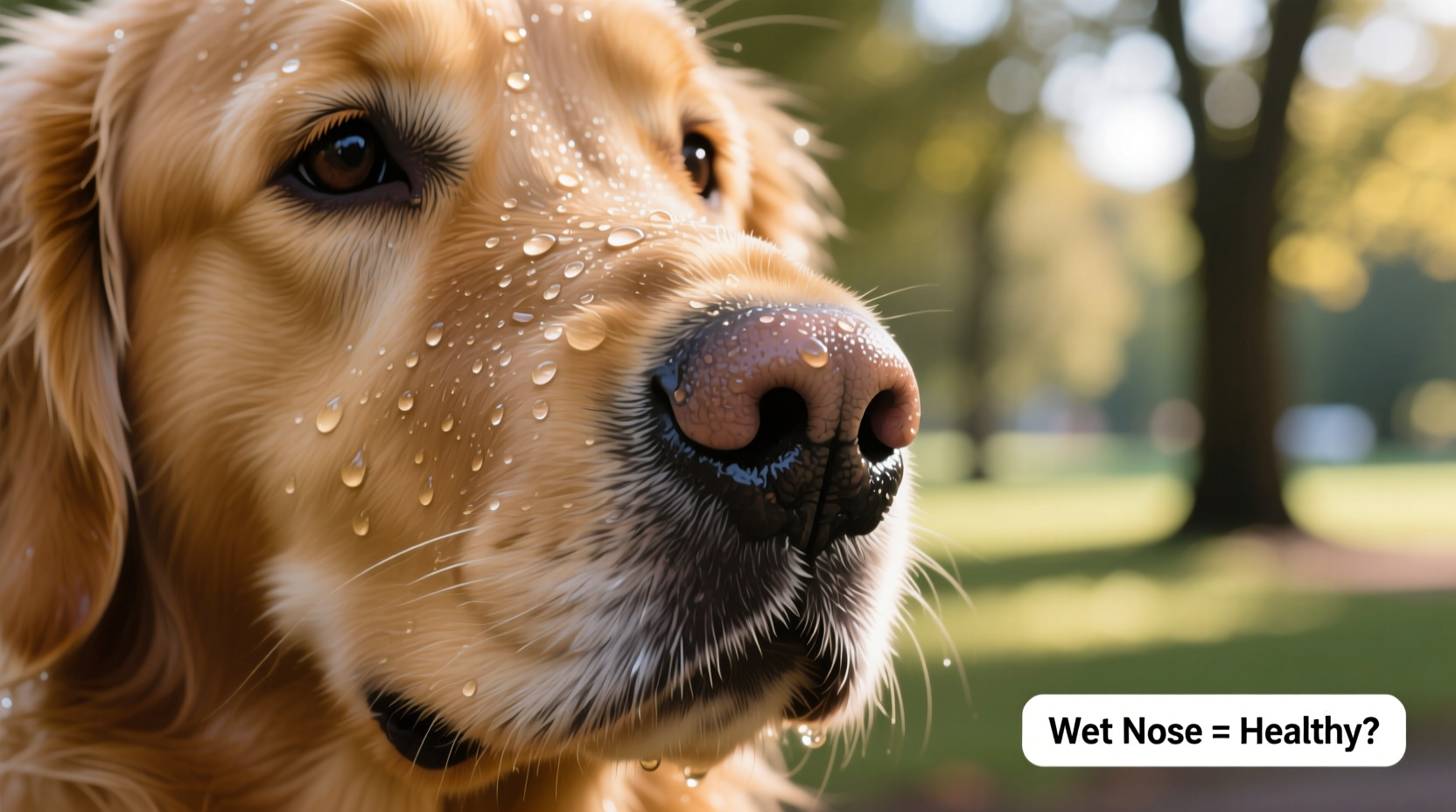
Dogs rely heavily on their sense of smell—up to 100,000 times more sensitive than humans—and their wet nose plays a crucial role in enhancing this ability. The moisture on a dog’s nose isn’t just random; it serves several key biological functions:
- Enhanced Scent Detection: A thin layer of mucus on the nose helps trap scent particles from the air. These particles dissolve in the moisture, making it easier for olfactory receptors inside the nasal cavity to analyze them.
- Thermoregulation: Dogs don’t sweat through their skin like humans. Instead, they release heat through their paw pads and respiratory system. A moist nose aids in evaporative cooling, helping regulate body temperature slightly.
- Improved Sensory Feedback: The damp surface allows dogs to detect subtle changes in air currents and temperature, which can provide additional environmental cues during exploration.
The moisture itself comes from a combination of sources: nasal secretions produced by glands inside the nostrils, licking behavior (dogs frequently groom their noses), and environmental humidity. This natural wetness contributes to both physical comfort and sensory performance.
“Dogs are scent-driven animals. Their wet nose is an evolutionary adaptation that fine-tunes their ability to interpret the world through smell.” — Dr. Lena Peterson, Veterinary Behaviorist
Does a Dry Nose Mean My Dog Is Sick?
One of the most common misconceptions among dog owners is that a dry nose automatically indicates illness. While a persistently dry or cracked nose *can* be a symptom of underlying issues, it's not a definitive diagnostic sign on its own.
Dogs’ noses fluctuate throughout the day due to normal activities and environmental conditions. For example:
- Napping in direct sunlight or near a heater can temporarily dry the nose.
- After vigorous exercise, reduced licking may lead to temporary dryness.
- Morning dryness after sleep is common and usually resolves within minutes of waking.
The key is context. If your dog has a dry nose but remains active, eats normally, drinks water, and shows no other symptoms, there’s likely no cause for concern. However, if the dryness is accompanied by lethargy, loss of appetite, nasal discharge, sneezing, or cracking, further evaluation may be needed.
Tip: Don't judge your dog's health solely by nose moisture. Always assess overall behavior and physical condition.When a Wet or Dry Nose Could Signal Health Problems
While occasional variation in nose moisture is normal, certain patterns warrant attention. Below are scenarios where nose condition may reflect deeper health concerns:
Persistent Dryness or Cracking
Chronic dryness, especially if the nose becomes cracked, flaky, or painful, could point to:
- Dehydration
- Allergic reactions
- Sunburn (especially in light-colored dogs)
- Autoimmune disorders such as discoid lupus erythematosus or pemphigus
Excessively Runny or Oozing Nose
An unusually wet nose with constant discharge—particularly if discolored (yellow, green, bloody)—may indicate:
- Upper respiratory infections
- Nasal mites
- Dental disease (infections from tooth roots can affect nasal passages)
- Foreign bodies lodged in the nostril
- Tumors in rare cases
Sudden Change in Pigmentation or Texture
If the nose loses pigment, turns pink, or develops sores, it could signal autoimmune conditions or sun damage. Some breeds, like Siberian Huskies, naturally experience \"winter nose\" (hypopigmentation in cold months), which is harmless.
| Nose Condition | Possible Causes | Action Recommended |
|---|---|---|
| Temporarily dry after sleep | Normal physiological variation | Monitor; usually resolves quickly |
| Dry + cracked + bleeding | Dehydration, allergy, autoimmune disease | Veterinary consultation advised |
| Wet with clear discharge | Allergies, mild irritation | Observe for progression |
| Thick yellow/green discharge | Infection, dental abscess, foreign object | Seek vet care promptly |
| Bilateral depigmentation | Winter nose, vitiligo | Usually benign; rule out disease |
Mini Case Study: Bella the Beagle
Bella, a 4-year-old beagle, was brought to her veterinarian after her owner noticed her nose had become persistently dry and began cracking at the edges. Initially dismissed as sun exposure, the condition worsened over two weeks, with Bella showing mild lethargy and reduced interest in food.
Upon examination, the vet observed crusting around the nasal planum and slight nasal discharge. Blood tests ruled out systemic infection, but a biopsy confirmed an early case of discoid lupus erythematosus—an autoimmune condition affecting the skin of the nose. With topical immunosuppressive ointment and UV protection (avoiding midday sun), Bella’s nose healed within six weeks. Her owner learned that while a dry nose alone wasn’t alarming, combined symptoms required professional assessment.
This case highlights the importance of looking beyond single indicators and considering the full clinical picture.
How to Monitor Your Dog’s Nose Health: A Practical Checklist
Routine observation can catch problems early. Use this checklist weekly to track your dog’s nasal health:
- ✅ Check for consistent moisture—note any sudden or prolonged dryness
- ✅ Look for symmetry in color and texture across the nose
- ✅ Watch for signs of irritation: redness, swelling, scabbing
- ✅ Note any nasal discharge—color, consistency, frequency
- ✅ Observe breathing patterns—snoring, wheezing, or labored breaths may indicate obstruction
- ✅ Monitor behavioral changes: reluctance to eat, pawing at face, excessive sneezing
- ✅ Record any recent environmental changes: new cleaners, outdoor exposure, travel
Step-by-Step Guide: What to Do If You Notice Nose Changes
If you observe unusual changes in your dog’s nose, follow these steps to determine the appropriate response:
- Assess the Full Picture: Check for other symptoms—fever, coughing, eye discharge, appetite loss.
- Review Recent Activities: Did your dog spend more time in the sun? Eat something unusual? Encounter new chemicals or plants?
- Hydrate and Comfort: Ensure fresh water is available. Avoid irritants like smoke or strong fragrances.
- Perform a Gentle Exam: Use a soft cloth to clean minor debris. Do not pick at crusts or apply human lotions.
- Wait 24–48 Hours: Mild fluctuations often resolve on their own. Reassess after a day or two.
- Contact Your Veterinarian: If symptoms persist or worsen, schedule an appointment. Bring notes on onset, duration, and associated behaviors.
- Follow Professional Advice: Tests may include blood work, swabs, imaging, or referral to a veterinary dermatologist.
Frequently Asked Questions
Can I use Vaseline or human moisturizers on my dog’s dry nose?
No. Human products often contain ingredients that are toxic if ingested, and dogs regularly lick their noses. Only use veterinarian-approved balms specifically formulated for canine use, such as those containing shea butter, coconut oil, or beeswax without additives.
Is a cold, wet nose always a sign of good health?
Not necessarily. While many healthy dogs have cool, moist noses, some perfectly healthy dogs naturally have drier noses due to breed, age, or individual variation. Health should be assessed holistically, not based on nose temperature or moisture alone.
My dog’s nose is warm after playing outside—should I be worried?
Not immediately. Physical activity and ambient heat can temporarily raise nose temperature and reduce moisture. Allow your dog to rest and rehydrate. If the warmth persists alongside other symptoms like vomiting or weakness, contact your vet.
Conclusion: Beyond the Myth
The idea that a dog must have a wet nose to be healthy is a myth rooted in partial truth. While a moist nose supports optimal scent detection and reflects normal physiology, it is not a standalone indicator of health. Just as humans vary in skin texture and hydration, so do dogs. What matters most is consistency in your pet’s baseline and vigilance for meaningful changes.
By understanding the science behind your dog’s wet nose and recognizing when deviations may signal trouble, you empower yourself to provide better care. Regular observation, informed judgment, and timely veterinary collaboration are the real keys to ensuring your dog stays happy, comfortable, and healthy.
💬 Have you noticed changes in your dog’s nose? Share your experiences or questions below—we’d love to hear from fellow dog lovers and help build a community of informed pet care!**








