Dogs eating grass is a common behavior observed by millions of pet owners worldwide. While it may seem odd or even concerning, most veterinarians agree that occasional grass consumption is generally harmless. However, understanding the underlying reasons—both behavioral and physiological—is essential for responsible pet care. This article explores scientifically supported explanations for why dogs eat grass, identifies when this habit may signal health issues, and provides clear guidance on when intervention is necessary.
Common Vet-Approved Reasons Dogs Eat Grass
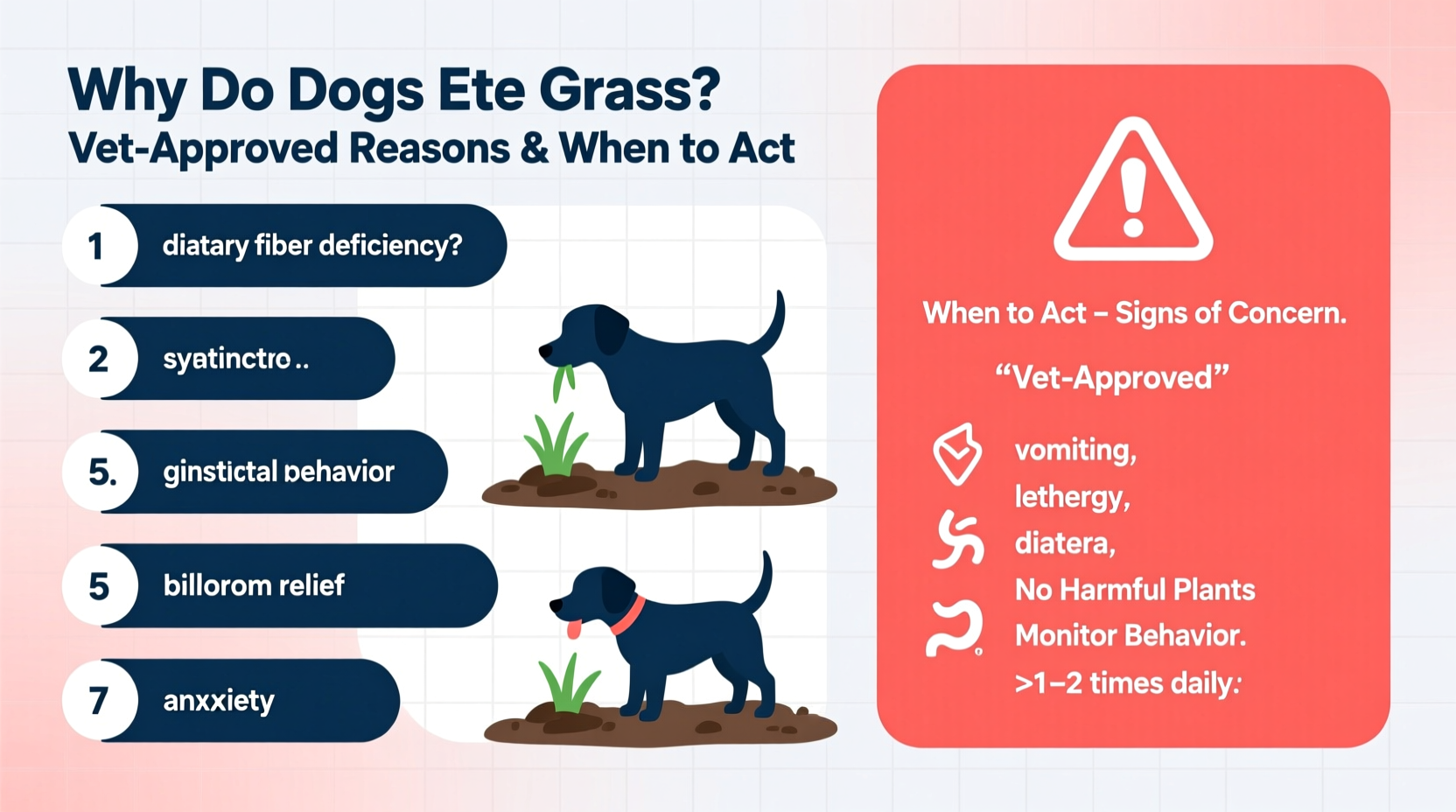
Contrary to popular belief, dogs don’t typically eat grass because they’re sick or about to vomit. Research and clinical observations suggest several more plausible explanations rooted in instinct, nutrition, and behavior.
- Natural Instinct from Ancestry: Wild canids like wolves and foxes often consume plant material found in the stomachs of their prey. Over generations, domesticated dogs may have retained this instinctual tendency to ingest grass as part of a varied diet.
- Dietary Fiber Supplementation: Some dogs may seek out grass to supplement fiber in their diets. If a dog’s commercial food lacks sufficient roughage, they might turn to grass to aid digestion and regulate bowel movements.
- Boredom or Anxiety Relief: Behavioral triggers such as boredom, stress, or mild anxiety can lead dogs to graze on grass. This is especially common in high-energy breeds left alone for long periods without stimulation.
- Pleasure or Taste Preference: Not all grass-eating is driven by necessity. Many dogs simply enjoy the taste or texture of fresh grass, particularly in spring and early summer when it's tender and juicy.
- Mild Gastrointestinal Regulation: In some cases, dogs may eat grass to induce vomiting if they feel gastrointestinal discomfort. However, studies show only a small percentage (less than 25%) actually vomit afterward, suggesting this isn’t the primary motivation for most dogs.
“Grass consumption in dogs is not inherently dangerous and appears to be a normal, species-typical behavior. It becomes a concern only when it’s excessive, compulsive, or accompanied by other symptoms.” — Dr. Laura Greensmith, DVM, Veterinary Behavior SpecialistTip: Observe your dog’s behavior before and after grass eating. If they appear relaxed and continue normal activities, it’s likely harmless.
When Grass Eating Signals a Health Problem
While occasional grazing is normal, certain patterns should prompt closer evaluation. The key lies in frequency, context, and accompanying signs.
Excessive or sudden increases in grass consumption—especially if paired with other symptoms—can indicate an underlying medical issue. These include:
- Frequent attempts to vomit without success
- Diarrhea or constipation lasting more than 24 hours
- Lethargy, loss of appetite, or weight loss
- Compulsive behavior (e.g., obsessively seeking out grass, pacing, or restlessness)
- Eating non-food items (a sign of pica, which may stem from nutritional deficiencies or psychological conditions)
In rare cases, persistent grass eating could point to gastrointestinal parasites, inflammatory bowel disease, or pancreatitis. Nutritional imbalances—such as low levels of certain vitamins or enzymes—may also drive unusual foraging behaviors.
Red Flags That Warrant a Vet Visit
| Symptom | Possible Cause | Action Required |
|---|---|---|
| Dog eats grass multiple times daily and seems agitated | Anxiety, OCD, or GI distress | Behavioral assessment + veterinary exam |
| Vomits frequently after eating grass | Gastritis, ulcers, or obstruction risk | Immediate vet consultation |
| Eats large quantities rapidly | Pica due to nutrient deficiency | Diet review and blood work |
| Consumes chemically treated lawns | Toxic exposure risk (herbicides/pesticides) | Prevent access; monitor for poisoning signs |
| New onset in older dogs | Metabolic disorders (e.g., diabetes, kidney disease) | Full diagnostic panel recommended |
Environmental and Safety Considerations
Even if grass eating is natural, environmental factors can make it risky. Urban and suburban lawns are often treated with chemicals that are toxic to pets.
Herbicides containing glyphosate, fertilizers with nitrogen compounds, and insecticides like organophosphates can cause poisoning if ingested via grass. Symptoms include drooling, tremors, difficulty breathing, and seizures.
Additionally, public parks or unkempt fields may harbor intestinal parasites from fecal contamination. Hookworms, roundworms, and giardia can infect dogs through oral contact with contaminated soil or plants.
Tip: If you allow your dog to graze, choose untreated, organic yards or grow a small patch of pet-safe grass indoors using wheatgrass or oat seeds.Safe Alternatives to Outdoor Grass
For dogs prone to overeating grass or living in areas with chemical exposure, consider safe indoor alternatives:
- Pet Grass Kits: Readily available at pet stores, these kits grow wheatgrass or barley grass—nutritious, digestible options.
- High-Fiber Treats: Look for chews or supplements made with pumpkin, psyllium, or beet pulp to support digestive health naturally.
- Interactive Feeders: For boredom-driven grazers, puzzle toys filled with food can redirect focus and reduce compulsive behaviors.
Case Study: Max, the Labrador Who Wouldn’t Stop Eating Grass
Max, a 4-year-old male Labrador Retriever, began eating grass aggressively every morning during walks. His owner noticed he’d gulp down large mouthfuls quickly, sometimes followed by dry heaving. Concerned, she recorded videos and brought them to her veterinarian.
After ruling out parasites and reviewing Max’s diet—a standard kibble brand with low fiber content—the vet suspected dietary insufficiency. A switch to a high-fiber, grain-inclusive formula was recommended, along with daily mental enrichment exercises.
Within three weeks, Max’s grass consumption dropped by 80%. He still nibbled occasionally but no longer gorged himself. Follow-up bloodwork showed improved gut enzyme levels, confirming better digestive function.
This case highlights how seemingly odd behaviors often have practical roots—and solutions—that combine nutrition, environment, and behavior modification.
Step-by-Step Guide: What to Do If Your Dog Eats Grass Frequently
If you're concerned about your dog’s grass-eating habits, follow this structured approach to assess and address the issue:
- Observe and Document: Note how often your dog eats grass, the quantity consumed, and whether vomiting follows. Track any changes in appetite, energy, or stool quality.
- Review Diet: Check your dog’s current food for fiber content (ideal range: 2–4% crude fiber). Consult your vet about switching to a more balanced formula if needed.
- Eliminate Toxins: Ensure your yard and walking routes are free of pesticides, herbicides, and fertilizers. Avoid letting your dog graze in public spaces with unknown maintenance practices.
- Enrich Environment: Increase physical exercise and mental stimulation. Use training games, scent work, or agility drills to reduce boredom-related behaviors.
- Schedule a Veterinary Check-Up: If the behavior persists or worsens, schedule a visit. Request a fecal test, blood panel, and discussion about possible behavioral or medical causes.
- Monitor Response to Changes: After implementing dietary or lifestyle adjustments, track progress over 2–4 weeks. Revisit your vet if no improvement occurs.
Checklist: Is Your Dog’s Grass Eating Normal?
Use this quick-reference checklist to determine whether your dog’s behavior falls within the normal range:
- ✅ Eats grass occasionally during walks
- ✅ Appears calm and happy while doing so
- ✅ No vomiting or diarrhea afterward
- ✅ Maintains regular appetite and energy levels
- ✅ Has up-to-date parasite prevention
- ✅ Lives in a chemical-free environment
If all boxes are checked, your dog is likely just expressing a natural, harmless behavior. If several are unchecked, further investigation is warranted.
Frequently Asked Questions
Do dogs eat grass when they’re sick?
Not usually. While some dogs may eat grass to relieve mild stomach upset, research shows fewer than one in four dogs vomit after consuming grass. Most eat it regularly without illness. True sickness is indicated by additional symptoms like lethargy, refusal to eat, or persistent vomiting.
Can eating grass cause intestinal blockages?
Rarely. Grass itself doesn’t typically cause obstructions. However, if a dog consumes large amounts rapidly—especially coarse, dry grass—or ingests foreign objects while grazing (like plastic or sticks), there is a minimal risk. Monitor for signs of abdominal pain or inability to defecate.
Should I stop my dog from eating grass completely?
No, unless the grass is treated with chemicals or the behavior is excessive. Preventing natural behaviors can increase stress. Instead, manage the environment and ensure your dog has a nutritionally complete diet and plenty of enrichment.
Conclusion: Know the Norms, Recognize the Warning Signs
Dogs eating grass is a widespread, largely normal behavior with roots in biology, nutrition, and psychology. In most cases, it requires no intervention beyond ensuring a safe environment and balanced diet. But as with any recurring habit, context matters. Sudden changes, compulsive patterns, or physical symptoms should never be ignored.
By staying observant, proactive, and informed, you can distinguish between innocent snacking and potential health alerts. When in doubt, consult your veterinarian—they’re your best ally in keeping your dog healthy and happy.
💬 Have questions about your dog’s grass-eating habits? Share your experience or ask for advice in the comments—your story might help another pet owner find clarity.








