Chihuahuas are known for their bold personalities and tiny frames, but one of their most endearing quirks is their tendency to burrow. Whether it’s diving under blankets, nestling into cushions, or disappearing beneath your arm during a movie night, this behavior is more than just cute—it’s deeply rooted in instinct, emotion, and physiology. Understanding why Chihuahuas burrow can help owners provide better care, strengthen bonds, and ensure their pets feel safe and secure.
The Evolutionary Roots of Burrowing
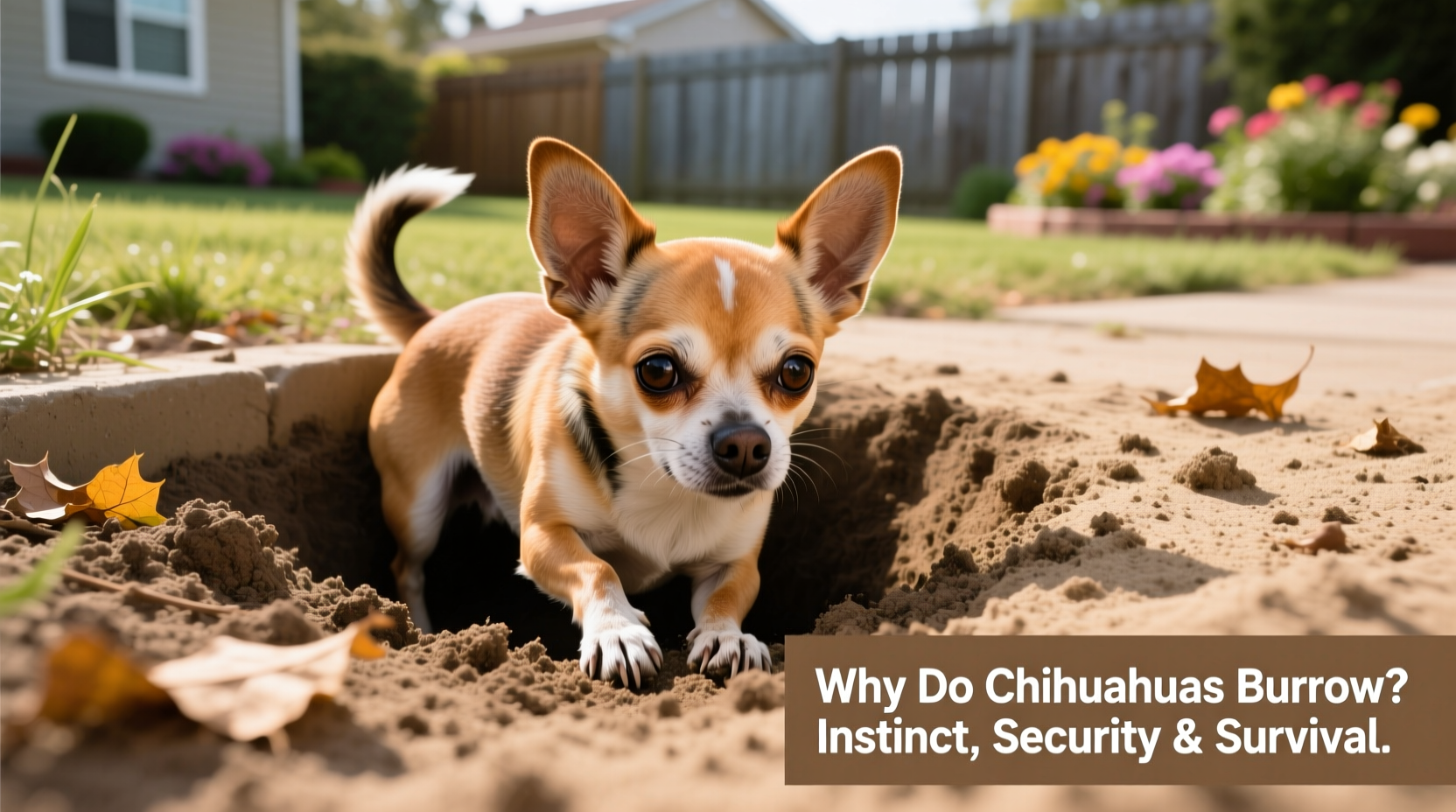
Burrowing behavior in Chihuahuas traces back to their ancestors’ survival instincts. Though today’s Chihuahuas are far removed from wild environments, their genetic memory retains patterns developed over generations. Small dogs, especially those originating from temperate or mountainous regions like the Mexican state of Chihuahua, relied on sheltered spaces to avoid predators and regulate body temperature.
In the wild, small mammals often seek enclosed spaces—under rocks, in hollow logs, or beneath vegetation—to remain hidden and insulated. This instinct persists in domesticated breeds, particularly toy-sized ones with high surface-area-to-body-mass ratios, making them prone to heat loss. By burrowing, Chihuahuas mimic denning behavior that once ensured warmth and protection.
“Burrowing is not a learned habit—it’s a hardwired survival mechanism. Even in safe homes, small dogs respond to environmental cues with ancestral behaviors.” — Dr. Lena Reyes, Canine Ethologist
Temperature Regulation and Physical Comfort
One of the primary reasons Chihuahuas burrow is thermoregulation. These dogs have minimal body fat and thin coats, which makes them susceptible to cold. Their normal body temperature ranges between 100°F and 103°F (37.8°C–39.4°C), but they lose heat quickly due to their size. Burrowing under blankets or snuggling into soft fabrics helps trap body heat, creating a microclimate that keeps them warm.
This need for warmth isn’t limited to winter months. Air conditioning, tile floors, and drafty rooms can chill a Chihuahua even in summer. Owners often notice increased burrowing during cooler evenings or after being outdoors.
Tip: Provide a cozy dog bed with raised edges and fleece lining to support natural burrowing while maintaining consistent warmth.Emotional Security and Anxiety Reduction
Beyond physical needs, burrowing serves an emotional purpose. The snug, enclosed feeling of being tucked under a blanket or nestled in a corner mimics the safety of a den. For a breed as alert and reactive as the Chihuahua, this sense of enclosure reduces stress and sensory overload.
Sudden noises, unfamiliar guests, or changes in routine can trigger anxiety. Burrowing becomes a coping mechanism—a way to self-soothe by limiting visual stimuli and creating a personal sanctuary. Some Chihuahuas will burrow preemptively before thunderstorms or fireworks, responding to subtle atmospheric changes long before humans notice them.
Interestingly, many Chihuahuas prefer to burrow near their owners. This proximity reinforces pack bonding and provides dual comfort: physical warmth and emotional reassurance. It’s not uncommon for a Chihuahua to wedge itself between a human’s arm and torso during moments of uncertainty.
Common Triggers for Burrowing Behavior
Burrowing doesn’t occur randomly. Specific environmental and psychological factors prompt the behavior. Recognizing these triggers allows owners to anticipate needs and prevent distress.
- Cold temperatures: The most common trigger. Even mildly cool rooms prompt nesting.
- Loud sounds: Vacuum cleaners, doorbells, or construction noise may cause a Chihuahua to retreat.
- New environments: Travel, vet visits, or moving homes increase anxiety-driven burrowing.
- Tiredness: Before sleep, Chihuahuas often dig or circle their chosen spot, a remnant of wild bedding preparation.
- Seeking attention: Some learn that burrowing into a lap results in petting or verbal affection.
When Burrowing Becomes Excessive
While occasional burrowing is normal, excessive or obsessive behavior may signal underlying issues. Signs to watch for include:
- Refusing to emerge for meals or bathroom breaks
- Shaking or panting while buried
- Aggression when disturbed
- Burrowing in inappropriate places (e.g., laundry baskets, shoes)
These behaviors could indicate separation anxiety, fear-based trauma, or medical discomfort such as joint pain or hypothyroidism, which increases sensitivity to cold. If burrowing interferes with daily life, consult a veterinarian or certified animal behaviorist.
Do’s and Don’ts of Managing Burrowing Habits
| Do’s | Don’ts |
|---|---|
| Provide a designated burrowing space (e.g., covered dog bed) | Force your Chihuahua out of its hiding spot abruptly |
| Use soft, washable blankets for nesting | Wrap your dog tightly in fabric, restricting movement |
| Respect their need for privacy during anxious moments | Ignore signs of distress assuming “they’ll get over it” |
| Monitor for changes in frequency or intensity | Punish burrowing behavior—it’s instinctive, not defiant |
Supporting Healthy Burrowing: A Step-by-Step Guide
Encouraging appropriate burrowing supports your Chihuahua’s well-being. Follow this sequence to create a supportive environment:
- Assess the Environment: Check room temperature, flooring type, and noise levels. Ideal indoor temps for Chihuahuas range from 68°F to 75°F (20°C–24°C).
- Create a Den-Like Space: Use a cave-style dog bed or place a blanket-covered crate in a quiet corner. Add a heated pad if needed (set to low).
- Introduce Safe Materials: Offer soft, non-slip fabrics. Avoid loose threads or knits that could snag claws.
- Establish Routine: Allow access to the burrowing zone at predictable times, such as bedtime or during storms.
- Observe and Adjust: Note when and where burrowing occurs. Modify placement or materials based on preferences.
Mini Case Study: Luna’s Adjustment to Apartment Living
Luna, a two-year-old Chihuahua adopted from a rural shelter, struggled with noise sensitivity after moving to a fifth-floor apartment in Chicago. Her owner noticed she would disappear under couch cushions every time the elevator dinged or neighbors walked by. Initially dismissed as shyness, the behavior escalated to refusing walks during peak hours.
Working with a trainer, Luna’s owner introduced a covered Igloo bed placed in a low-traffic hallway. She added a heartbeat-simulating plush toy and played white noise during high-activity times. Within three weeks, Luna began using the bed voluntarily during stressful moments and gradually tolerated household sounds without retreating. The structured burrowing space gave her control over her environment, reducing overall anxiety.
Frequently Asked Questions
Is it normal for my Chihuahua to burrow under the covers at night?
Yes, this is completely normal. Most Chihuahuas burrow at night for warmth and comfort. As long as they can breathe freely and choose to emerge when needed, it’s a healthy expression of instinct.
Should I be concerned if my Chihuahua burrows constantly?
Persistent burrowing, especially if accompanied by trembling, loss of appetite, or avoidance of interaction, may indicate chronic stress or illness. Rule out medical causes and consider behavioral consultation if patterns disrupt daily function.
Can I train my Chihuahua not to burrow?
You shouldn’t try to eliminate burrowing—it’s a natural, comforting behavior. Instead, guide it toward appropriate outlets, like a designated bed, rather than your pillows or laundry.
Final Thoughts: Embracing the Behavior
Burrowing isn’t a quirk to correct—it’s a window into your Chihuahua’s inner world. It reflects their need for warmth, safety, and connection. By understanding the roots of this behavior, owners can move beyond amusement to empathy, creating environments where their tiny companions thrive emotionally and physically.
Rather than discouraging burrowing, celebrate it as a sign of trust. When a Chihuahua chooses your lap or blanket as their den, they’re saying, “This is where I feel safest.” Honor that bond by providing thoughtful spaces, respecting boundaries, and observing their needs without judgment.
💬 Have a story about your Chihuahua’s burrowing habits? Share your experience below and connect with fellow owners who understand the joy of living with a tiny dog with big instincts.








