
Waking up in the middle of the night with a vice-like grip in your calf—sudden, sharp, and nearly unbearable. That’s a charley horse, and while it may last only seconds or minutes, the pain can feel like an eternity. These involuntary muscle contractions are more than just annoying; they’re intensely painful. But why do they hurt so much? And what can you actually do to stop them—and prevent them from coming back?
The answer lies in how our muscles function, what triggers their sudden spasms, and how the body interprets that kind of acute neuromuscular distress. This article breaks down the science behind the searing pain, explores common and overlooked causes, and delivers practical, evidence-based relief and prevention strategies.
The Science Behind the Sting: Why Charley Horses Hurt So Much
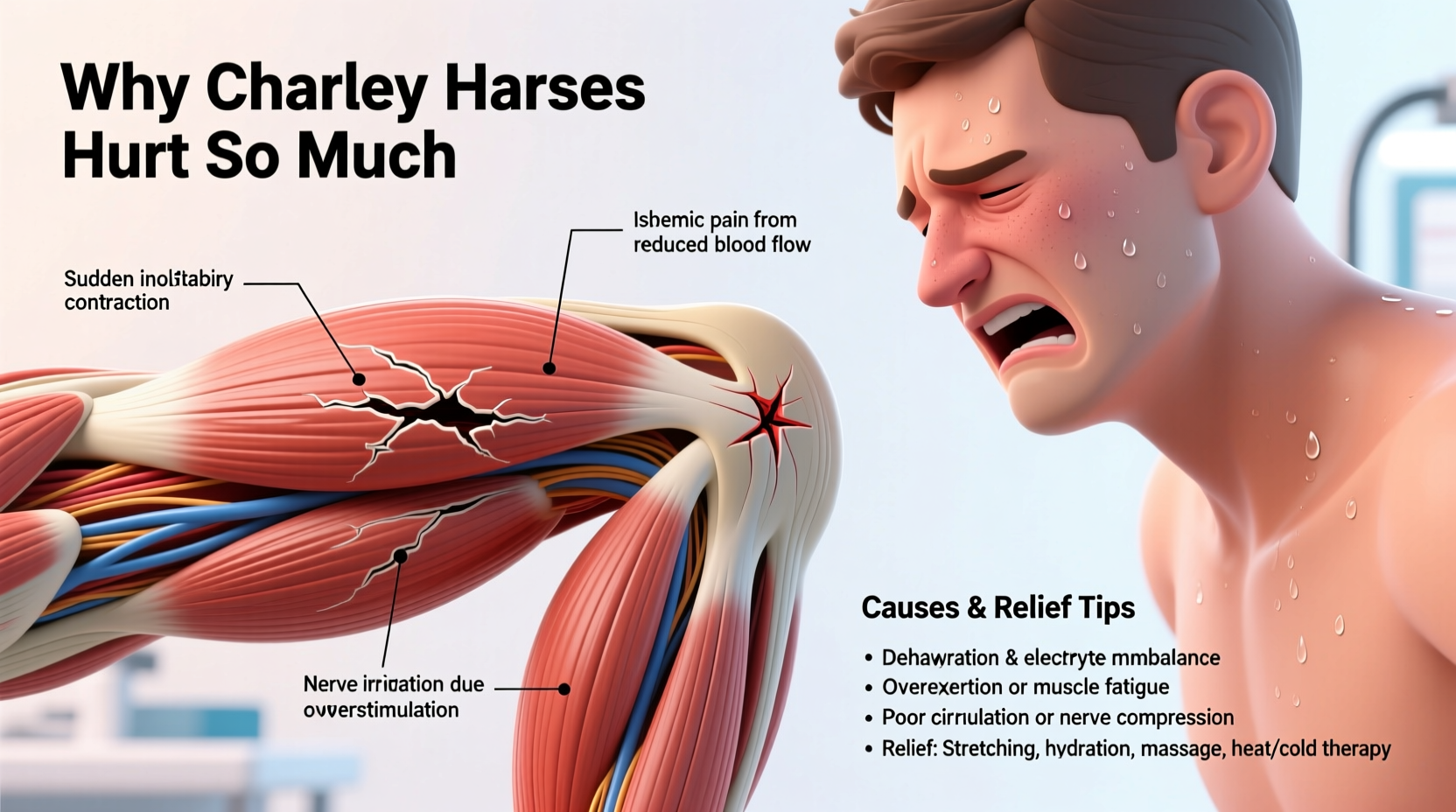
A charley horse is a colloquial term for a sudden, involuntary muscle spasm—most commonly in the calf, but also in the thighs, feet, or even hands. What makes these cramps so agonizing isn’t just the contraction itself, but how forcefully and unexpectedly it occurs.
Muscle fibers contract when electrical signals from nerves stimulate them. During a cramp, this signaling goes haywire. Instead of controlled, coordinated firing, multiple motor units fire simultaneously and continuously, causing the muscle to tighten into a hard knot. The muscle contracts beyond its normal capacity, stretching connective tissue and triggering pain receptors called nociceptors.
Because the contraction is sustained and uncontrolled, blood flow to the area drops sharply. This leads to a buildup of metabolic waste like lactic acid, further irritating nerve endings. The brain receives a flood of pain signals, interpreting the sensation as severe—even though no structural damage has occurred.
“Muscle cramps activate the same pain pathways as acute injuries. The body responds as if it's under threat, which is why the discomfort feels so intense.” — Dr. Lena Park, Neurologist and Sports Medicine SpecialistTip: When a cramp strikes, gently stretch the affected muscle immediately—this helps disrupt abnormal nerve firing and restore circulation.
Common and Hidden Causes of Charley Horses
While dehydration and electrolyte imbalances are often blamed, the root causes of muscle cramps are more complex and varied. Some factors are lifestyle-related, others medical. Understanding them is key to long-term prevention.
- Dehydration: Even mild fluid loss reduces electrolyte concentration, impairing nerve-muscle communication.
- Electrolyte Imbalance: Low levels of potassium, calcium, magnesium, or sodium disrupt electrical signaling.
- Muscle Fatigue: Overuse during exercise or prolonged standing increases susceptibility.
- Poor Circulation: Reduced blood flow, especially at night, can trigger cramping in the legs.
- Medications: Diuretics, statins, and some asthma drugs list muscle cramps as a side effect.
- Nerve Compression: Conditions like lumbar stenosis can mimic or cause frequent cramps.
- Pregnancy: Increased weight and pressure on nerves and vessels raise risk, especially in the second and third trimesters.
- Inactivity: Sitting too long weakens muscles and reduces circulation, making them prone to spasms.
Lesser-Known Triggers
Besides the usual suspects, emerging research points to other contributors:
- High sugar intake: Spikes in insulin may lead to intracellular magnesium shifts, reducing availability.
- Alcohol consumption: Chronic use depletes magnesium and damages peripheral nerves.
- Flat shoes or poor footwear: Alters gait and strains calf muscles over time.
Immediate Relief: What to Do When a Cramp Hits
When a charley horse strikes, speed matters. The longer the muscle stays contracted, the more painful it becomes. Here’s a step-by-step approach to relieve it quickly.
- Stop activity: If exercising, cease movement immediately to avoid strain.
- Stretch gently: For calf cramps, stand and press the ball of your foot against a wall while keeping the heel down. Alternatively, sit and pull your toes toward your shin.
- Massage the area: Use firm, circular motions to help relax the muscle and improve blood flow.
- Apply heat or cold: A warm towel increases circulation; ice reduces inflammation if soreness persists.
- Walk it off: Once the spasm eases, gentle walking encourages full relaxation and prevents recurrence.
Prevention Checklist: Reduce Your Risk Long-Term
Recurrent charley horses aren’t something you have to accept. With consistent habits, most people can reduce frequency or eliminate them entirely. Follow this daily and weekly checklist:
- ✅ Drink 8–10 glasses of water daily, more if active or in hot climates.
- ✅ Eat magnesium-rich foods: spinach, almonds, avocado, black beans.
- ✅ Include potassium sources: bananas, sweet potatoes, oranges, coconut water.
- ✅ Stretch calves and hamstrings before bed and after workouts.
- ✅ Wear supportive footwear, especially during prolonged standing.
- ✅ Limit alcohol and caffeine, both diuretics that affect hydration.
- ✅ Review medications with your doctor if cramps began after starting a new one.
- ✅ Take a short walk every hour if sitting for long periods.
Do’s and Don’ts: Smart Habits for Muscle Health
| Do | Don’t |
|---|---|
| Stay hydrated throughout the day | Wait until you're thirsty to drink |
| Stretch regularly, especially before sleep | Stretch a cramped muscle aggressively |
| Eat balanced meals with whole foods | Rely solely on supplements without dietary changes |
| Use proper form during exercise | Ignore persistent or worsening cramps |
Real Example: How One Runner Eliminated Nighttime Cramps
Mark, a 42-year-old recreational runner, started experiencing severe calf cramps at night after increasing his training for a half-marathon. Initially, he assumed it was due to dehydration. He drank more water but saw no improvement.
After consulting a sports nutritionist, he discovered his diet was low in magnesium and potassium. He also wore minimalist running shoes that lacked adequate arch support. His routine included intense evening runs with little cooldown or stretching.
He made three key changes: added a daily banana and a handful of almonds to his diet, switched to supportive running shoes, and implemented a 10-minute post-run stretching routine. Within two weeks, the cramps stopped. “I didn’t realize how much small tweaks could make such a big difference,” Mark said.
Frequently Asked Questions
Can a charley horse cause muscle damage?
Typically, no. Most cramps resolve without injury. However, extremely forceful or prolonged spasms can cause minor strain or soreness lasting a day or two. True muscle tearing is rare and usually accompanied by swelling or bruising.
Are charley horses a sign of a serious condition?
Occasional cramps are normal. But frequent, severe, or one-sided leg cramps—especially when paired with swelling, redness, or skin changes—should be evaluated. They could indicate circulation problems, nerve disorders, or metabolic issues like kidney disease.
Is pickle juice really effective for cramps?
Emerging research suggests yes—but not because of electrolytes. Studies show pickle juice may trigger a reflex in the mouth and throat that stops misfiring nerves within seconds. While not a long-term solution, it’s being used by athletes for rapid relief.
Take Control of Your Muscle Health
Charley horses hurt so much because they hijack your neuromuscular system in a split second, creating a storm of pain signals with no off switch—until you intervene. The good news is that most causes are modifiable. Hydration, nutrition, movement habits, and smart recovery practices can dramatically reduce your risk.
You don’t have to live in fear of the next midnight spasm. Start today: hydrate consistently, stretch daily, check your footwear, and pay attention to your body’s signals. Small, sustainable changes yield lasting results.
💬 Have a tip that helped you beat charley horses? Share your experience below and help others find relief.








