Cats are enigmatic creatures, capable of both regal detachment and sudden bursts of chaotic energy. Among their most endearing quirks is a seemingly inexplicable attraction to cardboard boxes. Whether it’s a shipping box left by the door or a tiny container barely large enough to fit their paws, cats will squeeze themselves into almost any box they encounter. While this behavior delights owners and fuels endless internet memes, veterinarians and animal behaviorists have long studied the deeper reasons behind it. Far from being random, a cat's love for boxes is rooted in biology, psychology, and survival instincts shaped over thousands of years.
The Evolutionary Advantage of Enclosed Spaces
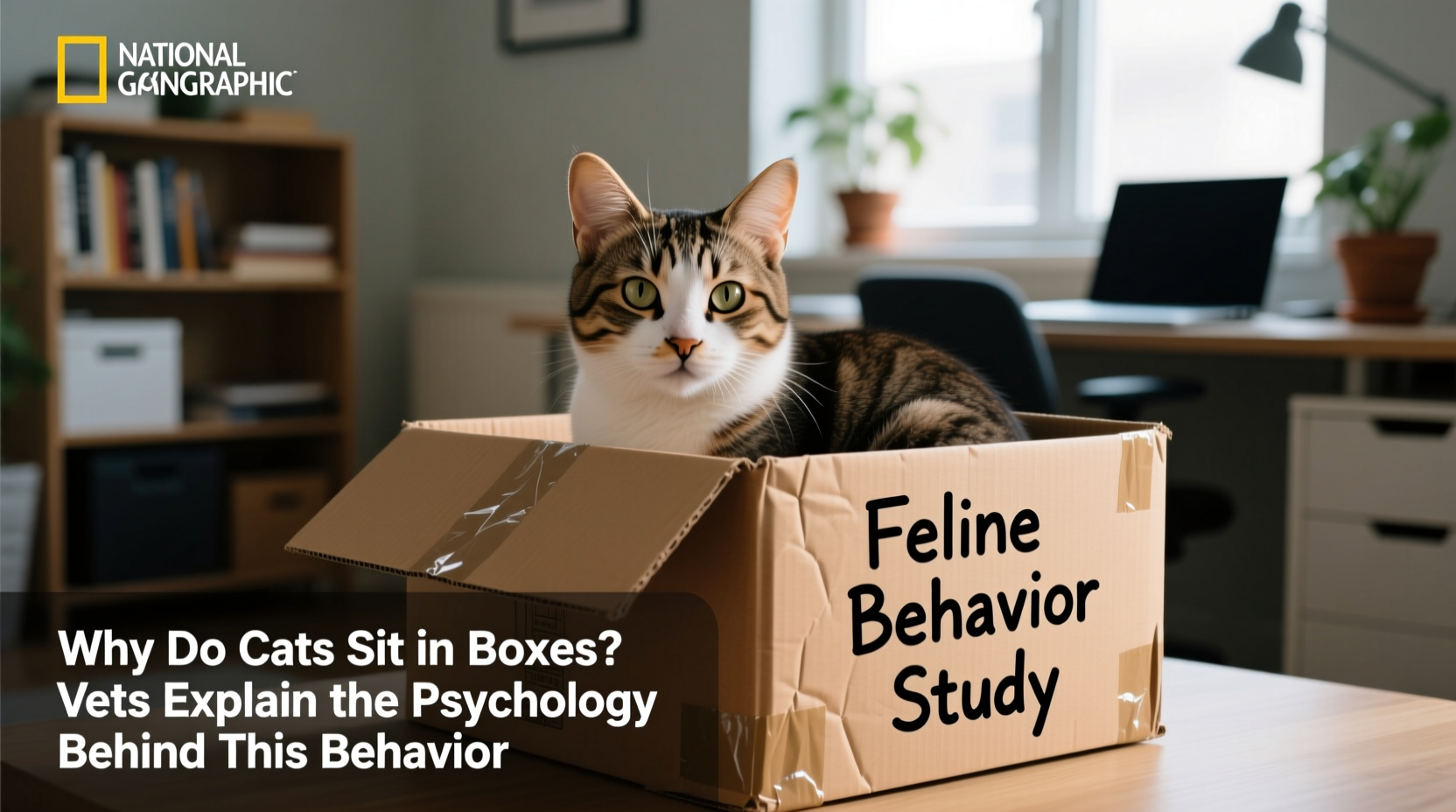
In the wild, cats are both predators and prey. Even as skilled hunters, small felines remain vulnerable to larger animals. This duality has led to an evolutionary preference for concealed, enclosed spaces where they can observe their surroundings without being seen. These spaces offer protection, reduce stress, and provide strategic vantage points for ambush hunting.
Domestic cats, despite generations of living indoors, retain these ancestral instincts. A cardboard box mimics the shelter of a burrow or hollow log—offering warmth, security, and concealment. According to Dr. Sarah Elliott, a veterinary ethologist at the University of Edinburgh, “Cats don’t just like boxes because they’re cozy—they need them. Enclosed spaces fulfill a deep-seated behavioral requirement for safety.”
This need is especially pronounced in multi-cat households or homes with frequent visitors, loud noises, or other stressors. When a cat retreats into a box, it isn’t merely lounging—it’s self-regulating its environment to maintain emotional equilibrium.
Tip: Even if your home is quiet and safe, always provide your cat with at least one enclosed space. It supports mental well-being and reduces anxiety during unexpected disruptions.Thermoregulation: The Warmth Factor
One of the most practical reasons cats love boxes ties directly to body temperature. The average domestic cat maintains a core body temperature between 100.5°F and 102.5°F (38°C–39.2°C), which is higher than humans. To conserve energy and stay comfortable, cats seek out warm environments—especially during rest periods.
Cardboard is a natural insulator. Its layered structure traps heat, creating a microclimate that helps cats retain body warmth with minimal effort. This is particularly important for kittens, older cats, or those with health conditions that affect circulation or metabolism.
A 2017 study published in *Applied Animal Behaviour Science* found that shelter cats given access to insulated hiding boxes showed significantly lower cortisol levels—a key stress hormone—than those without. Researchers concluded that physical warmth and environmental control were critical factors in reducing stress among feline populations.
“Temperature regulation is not a luxury for cats—it’s a necessity. Boxes act as passive heating systems, allowing cats to thermoregulate efficiently while feeling secure.” — Dr. Karen Smith, DVM, Feline Behavior Consultant
Stress Reduction and Environmental Control
Modern homes may seem safe to humans, but they are full of stimuli that can overwhelm a cat’s sensitive nervous system. Vacuum cleaners, loud televisions, unfamiliar guests, or even changes in furniture layout can trigger anxiety. Unlike dogs, cats rarely express distress through overt behaviors like barking or pacing. Instead, they withdraw.
Sitting in a box gives a cat control over its sensory input. The walls block peripheral vision, reducing visual overload. The confined space dampens sound and limits airflow, minimizing unpredictable scents and drafts. In essence, the box becomes a sensory shield.
Veterinarians often recommend introducing cardboard boxes in high-stress situations such as moving, introducing new pets, or post-vet visits. A simple box placed in a quiet corner can serve as a recovery zone, helping the cat regain confidence before re-engaging with its environment.
Real Example: The Shelter Cat Transformation
At the Humane Society of Austin, staff noticed that newly arrived stray cats often cowered in the back of their enclosures, refusing food and interaction. After implementing a policy of placing a clean cardboard box in every intake cage, staff observed dramatic improvements within hours. One particular cat, later named Milo, had been hunched and silent for two days. Within 30 minutes of receiving a box, he entered it, groomed himself, and began eating. By the next morning, he was meowing softly and approaching caregivers.
“The box didn’t fix his trauma,” said shelter manager Laura Tran, “but it gave him a sense of agency. He could choose when to hide and when to emerge. That autonomy made all the difference.”
Play, Predation, and Mental Stimulation
Boxes aren’t just for resting—they’re also tools for play and cognitive engagement. Cats are hardwired to stalk, pounce, and explore. A box offers multiple opportunities for these natural behaviors. Peeking out from under a flap trains a cat’s predatory focus. Knocking the box around satisfies the urge to manipulate objects. Crawling in and out builds coordination and spatial awareness.
Even empty boxes stimulate curiosity. The crinkly sound of cardboard, the way light filters through small openings, and the novel textures all engage a cat’s senses. For indoor cats, who lack the environmental complexity of the outdoors, boxes provide essential enrichment.
Some cats develop preferences for certain types of boxes—shoeboxes, delivery containers, or even cereal boxes. Observing these choices can reveal insights into individual personality traits. Shyer cats may prefer fully enclosed boxes with only one entrance, while bolder ones might favor open-topped crates they can leap in and out of freely.
Do’s and Don’ts: Managing Your Cat’s Box Habit
| Do | Don’t |
|---|---|
| Provide multiple boxes in different rooms for choice and rotation | Use boxes with staples, tape residue, or printed ink containing toxic chemicals |
| Place boxes near windows or elevated areas for better observation | Force a cat out of a box, especially if showing signs of stress |
| Replace wet or soiled boxes promptly to maintain hygiene | Assume a cat in a box is “just being cute”—it may be seeking refuge |
| Add soft bedding or familiar-smelling fabric to increase comfort | Overcrowd a space with too many boxes, which can create territorial tension |
When Box-Sitting Signals a Problem
While box-sitting is generally normal and healthy, sudden changes in behavior should be monitored. If a typically social cat begins spending excessive time in boxes, avoids interaction, stops eating, or shows signs of lethargy, it may indicate illness or chronic stress.
Cats are masters at masking pain. Hiding in a box can be a coping mechanism when they feel unwell. Conditions such as urinary tract infections, dental disease, arthritis, or hyperthyroidism often manifest first as behavioral shifts—including increased seclusion.
Veterinarians advise pet owners to establish a baseline of normal behavior so deviations are easier to spot. If your cat suddenly favors boxes more than usual—or chooses unusual hiding spots like under beds or inside closets—it’s worth scheduling a wellness check.
Tip: Rotate boxes weekly to keep them fresh and engaging. You can even cut multiple entry points or stack boxes to create tunnels for added stimulation.Step-by-Step: Creating the Ideal Cat-Friendly Box Environment
Maximizing the benefits of box-sitting requires thoughtful placement and maintenance. Follow this sequence to support your cat’s psychological needs:
- Select the right size: The box should allow your cat to curl up comfortably but not leave too much empty space. A slightly snug fit often feels more secure.
- Remove hazards: Take out tape, plastic liners, staples, and remove any glossy or chemically treated surfaces that could be ingested.
- Add comfort: Line the bottom with an old sweater, blanket, or orthopedic foam pad. Avoid synthetic materials that trap moisture.
- Choose location wisely: Place the box in a low-traffic area with some ambient activity—near a window, beside a bookshelf, or in a quiet hallway. Cats prefer to hide while still feeling connected.
- Encourage use: Sprinkle catnip, place treats inside, or rub the interior with a cloth carrying your scent to make it inviting.
- Monitor and rotate: Replace flattened or dirty boxes every few weeks. Introduce new shapes and sizes to prevent boredom.
Frequently Asked Questions
Is it safe for cats to eat cardboard?
Small amounts of non-toxic cardboard are generally harmless if ingested, but regular chewing or consumption could indicate pica—a condition linked to nutritional deficiencies, parasites, or compulsive disorders. Consult your vet if your cat consistently eats packaging materials.
Why does my cat prefer boxes over expensive cat beds?
Many commercial cat beds lack the high sides and enclosed design that mimic den-like security. While plushness appeals to humans, cats prioritize function over comfort. Try placing a bed inside a low-sided box to combine softness with enclosure.
Should I close the box flaps to make it warmer?
No. Always leave at least one side open for easy escape. Closing a cat in can increase anxiety and trigger panic. The goal is perceived safety, not actual confinement.
Conclusion: Respecting the Box as a Behavioral Necessity
The humble cardboard box is far more than a whimsical quirk of cat ownership—it’s a vital tool for feline emotional and physical well-being. From reducing stress to supporting natural instincts, the box serves multiple roles that align perfectly with a cat’s evolutionary blueprint. Veterinarians and behaviorists agree: providing access to safe, enclosed spaces isn’t optional. It’s a cornerstone of responsible cat care.
Instead of questioning why your cat insists on sitting in a box half their size, consider what that behavior tells you about their inner world. Are they seeking warmth? Safety? A moment of peace? By honoring these needs, you’re not just indulging a funny habit—you’re fostering trust, resilience, and long-term health.
💬 What’s the strangest place your cat has chosen to “box” in? Share your story in the comments—because sometimes, the best insights come from fellow cat lovers.








