Cats are enigmatic creatures, capable of both regal detachment and sudden bursts of playful chaos. Among their most endearing quirks is their undeniable love for cardboard boxes. Whether a shipping box arrives at the door or a small packaging container is left on the floor, cats seem magnetically drawn to squeeze inside. While many owners find this behavior amusing, scientists have long been intrigued by its underlying causes. It turns out that a cat’s preference for boxes isn’t just whimsy—it’s rooted in evolutionary biology, stress regulation, and sensory comfort.
Understanding why cats exhibit this behavior offers more than just insight into their quirky personalities; it provides valuable clues about their emotional health and environmental needs. By exploring research from animal behaviorists and neuroscientists, we can decode the science behind one of the internet’s favorite feline pastimes.
The Science of Security: Why Enclosed Spaces Calm Cats
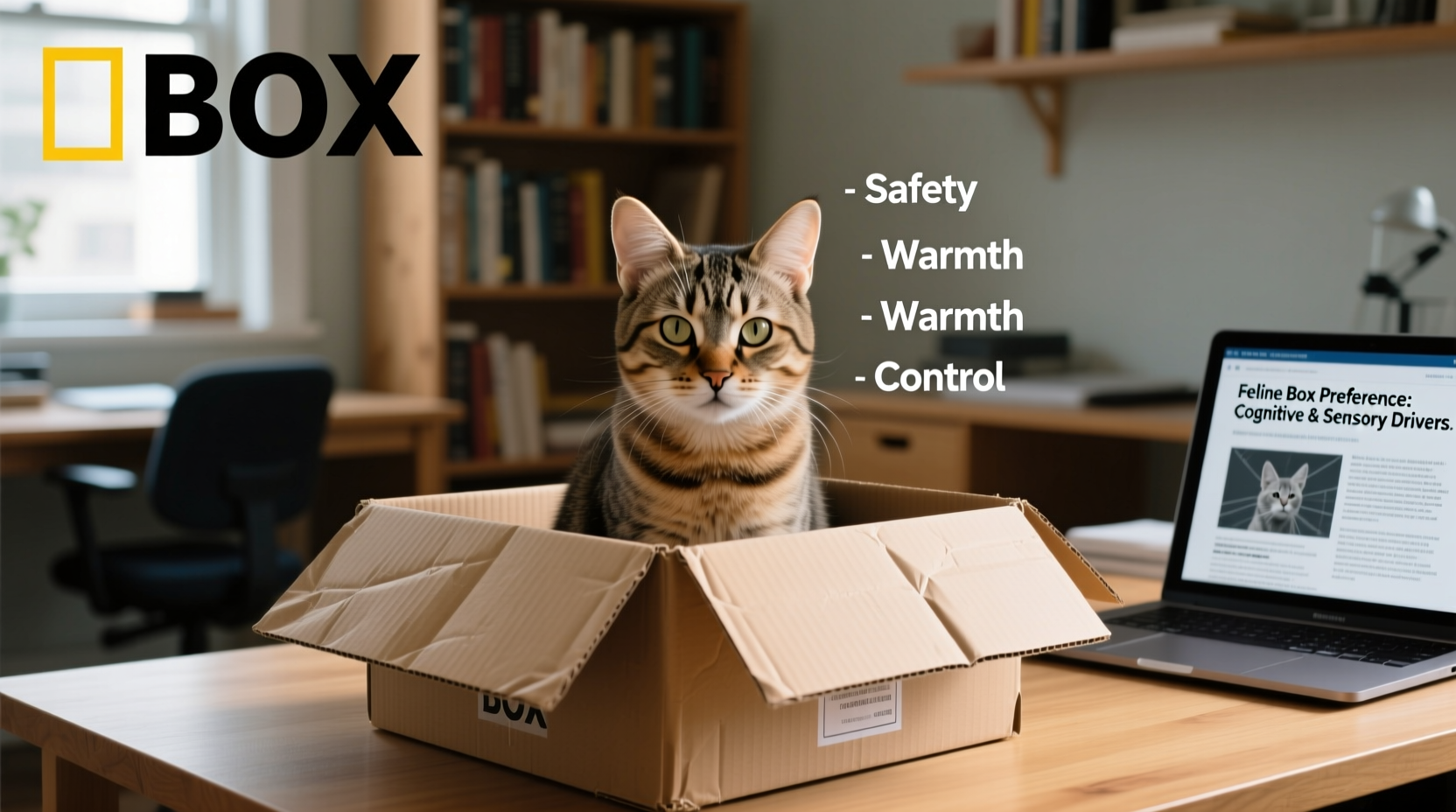
Cats are predators, yes—but they’re also prey animals in the wild. Their ancestors evolved in environments where exposure meant vulnerability. This dual role has shaped a survival instinct that prioritizes concealment and vigilance. Even domesticated cats retain these deep-seated behaviors. A study conducted by the University of Utrecht in the Netherlands found that shelter cats given access to hiding boxes adapted to new environments significantly faster than those without them.
Dr. Claudia Vinke, the lead researcher, observed that “hiding is a coping mechanism for cats under stress.” The study measured stress levels using a standardized feline stress scale and found that cats with boxes showed lower anxiety scores within just three days. The conclusion was clear: enclosed spaces provide psychological safety, allowing cats to observe their surroundings from a protected vantage point.
���Cats don’t just like boxes—they need them. A hiding place is not a luxury but a necessity for emotional regulation.” — Dr. Sarah Ellis, Feline Behavior Scientist, University of Lincoln
This need for security explains why even confident, well-socialized cats will seek out boxes, drawers, or laundry baskets. These spaces mimic dens or burrows, offering insulation, reduced visual exposure, and physical boundaries that help cats feel contained and safe.
Tip: If your cat seems anxious after a move or during loud events (like fireworks), provide a quiet box with a soft blanket inside. This simple addition can dramatically reduce stress.Thermoregulation: The Warmth Factor
Beyond emotional comfort, there’s a physiological reason cats love boxes: warmth. The ideal ambient temperature for a cat ranges between 86°F and 97°F (30–36°C), significantly higher than what most humans find comfortable. Cardboard, despite its flimsy appearance, is an excellent insulator. When a cat curls up inside a box, the material traps body heat, creating a cozy microclimate.
A 2017 study published in *Applied Animal Behaviour Science* demonstrated that cats consistently chose enclosed spaces over open beds when room temperatures were below their thermal comfort zone. Researchers noted that kittens and older cats—those less efficient at regulating body temperature—were especially drawn to confined, insulated areas.
This thermoregulatory benefit extends to other enclosed spaces: ovens (when off), suitcases, and even shopping bags. The smaller the space relative to the cat’s size, the more efficiently heat is retained. This may explain why cats often prefer boxes slightly too small for them—snugness equals warmth.
Materials and Insulation Efficiency
| Material | Insulation Quality | Common Use by Cats |
|---|---|---|
| Cardboard | High (traps air pockets) | Frequent |
| Plastic bins | Moderate (conductive, but enclosed) | Occasional |
| Fabric baskets | Low to moderate (depends on lining) | Variable |
| Wooden crates | Moderate (dense but less air-trapping) | Rare |
The data suggests that while any enclosure offers psychological benefits, materials that enhance thermal retention are preferred when ambient temperatures drop.
Sensory Control and Environmental Mastery
Cats are highly sensitive to sensory input. Sudden noises, unfamiliar scents, or unpredictable movements can overwhelm their nervous systems. Boxes give them control over their environment. Inside a box, a cat can limit visual stimuli, muffle sounds, and position itself with a clear line of sight to the room—all while remaining hidden.
This sense of mastery is crucial for mental well-being. In multi-cat households, for example, dominant cats may claim boxes as territorial markers, while more timid individuals use them to avoid confrontation. Even in single-cat homes, boxes serve as “safe zones” during chaotic moments—like vacuuming or visitors arriving.
Neurological studies using fMRI scans on awake cats have shown reduced activity in the amygdala—the brain region associated with fear—when cats are in confined spaces. This indicates a measurable calming effect, similar to swaddling in human infants.
Real Example: Luna, the Shy Rescue Cat
Luna, a two-year-old tabby adopted from a rural shelter, spent her first week in her new home hiding under furniture. Her owners introduced a plain cardboard box with a fleece liner near the living room sofa. Within hours, Luna climbed in. Over the next ten days, she began sitting at the box’s entrance, watching family activities. By day 15, she was napping outside the box and approaching her owners for pets. The box didn’t just offer shelter—it served as a psychological bridge to trust and integration.
Play, Curiosity, and Cognitive Stimulation
Not all box-sitting is driven by stress or warmth. For many cats, boxes represent novel objects that trigger curiosity and play. The crinkle of cardboard, the change in acoustics inside an enclosed space, and the opportunity to pounce from concealment activate predatory instincts.
Behavioral enrichment experts recommend rotating boxes and containers to keep cats mentally engaged. A fresh box—even if identical to previous ones—can reignite exploratory behavior. Some cats will scratch the sides, kick litter into them, or carry toys inside, turning the box into a multifunctional space.
- Boxes simulate hunting blinds used in the wild.
- New boxes introduce novel scents and textures.
- The act of entering and exiting reinforces spatial awareness.
In laboratory settings, cats presented with puzzle boxes or containers containing hidden treats show increased problem-solving engagement. This suggests that boxes aren’t just passive shelters—they’re tools for cognitive development.
Tip: Repurpose old boxes as DIY cat puzzles. Cut multiple entry points and hide treats inside to encourage exploration and mental stimulation.Step-by-Step: Creating the Ideal Box Environment for Your Cat
If you want to support your cat’s natural instincts while enhancing their comfort, follow this simple guide:
- Choose the right size: The box should be large enough for your cat to turn around but snug enough to provide a sense of enclosure.
- Modify entry points: Cut one or two low openings so your cat can enter easily and monitor the room.
- Add soft lining: Place a washable blanket or cushion inside for warmth and comfort.
- Position strategically: Place the box in a quiet corner with partial visibility—near a window or beside a favorite chair.
- Rotate regularly: Introduce a new box every 1–2 weeks to maintain novelty and hygiene.
- Monitor usage: If your cat avoids the box, try a different location or material. Some prefer opaque plastic bins over translucent ones.
This routine ensures that your cat’s instinctual needs are met without cluttering your home. Used boxes can be flattened and recycled after a week of use, making this one of the most sustainable forms of cat enrichment.
Checklist: Is Your Cat Getting Enough Hiding Opportunities?
Use this checklist to assess whether your home supports your cat’s behavioral needs:
- ✅ At least one enclosed space per cat (box, cat cave, or covered bed)
- ✅ Hiding spots located in low-traffic areas
- ✅ Accessible during high-stress events (e.g., guests, storms)
- ✅ Variety of materials (cardboard, fabric, plastic)
- ✅ Regular rotation or cleaning of hiding places
- ✅ Observation of usage patterns (time spent inside, body language)
If more than two items are unchecked, your cat may be experiencing unmet environmental needs—even if they appear outwardly healthy.
Frequently Asked Questions
Is it normal for my cat to sit in very small boxes?
Yes. As long as the cat can breathe and isn’t visibly struggling, squeezing into tight spaces is natural. It enhances the feeling of security and helps retain body heat. Just ensure there’s an easy exit in case of sudden disturbances.
Can I use plastic containers instead of cardboard?
Yes, but with caveats. Plastic bins retain less heat and may feel colder. Ensure ventilation by drilling small holes and add soft bedding. Avoid containers with strong chemical odors, which can deter cats.
My cat never uses boxes—should I be concerned?
Not necessarily. Individual personalities vary. Some cats are bolder and prefer elevated perches over enclosed spaces. However, if your cat shows signs of anxiety (hiding, excessive grooming, avoidance), introducing a box might help.
Conclusion: More Than a Meme—A Window into Feline Well-Being
The image of a cat curled up in a box has become a cultural staple, celebrated in memes and viral videos. But beneath the humor lies a profound truth: this simple behavior reflects complex psychological and physiological needs. From stress reduction to thermal regulation and cognitive engagement, boxes fulfill roles that modern cat owners can no longer afford to overlook.
By recognizing the science behind the quirk, we move beyond amusement to empathy. Providing accessible, safe hiding spaces isn’t indulgence—it’s responsible pet care. In doing so, we honor the instincts of a species that, despite centuries of domestication, still carries the mind of a wild survivor.
💬 Have a story about your cat’s favorite box? Share your experience in the comments and help others understand the quiet genius behind this beloved feline habit.








