
Cats sitting in cardboard boxes is one of the most iconic and widely shared quirks in pet ownership. Whether it’s a shipping box, a shoebox, or even a square taped onto the floor, cats seem irresistibly drawn to confined spaces. While it may appear whimsical or inexplicable, this behavior is deeply rooted in feline psychology, survival instincts, and environmental preferences. Understanding why cats exhibit this behavior offers insight into their mental well-being and can help owners create safer, more enriching environments for their pets.
The Instinctual Drive: Safety and Security
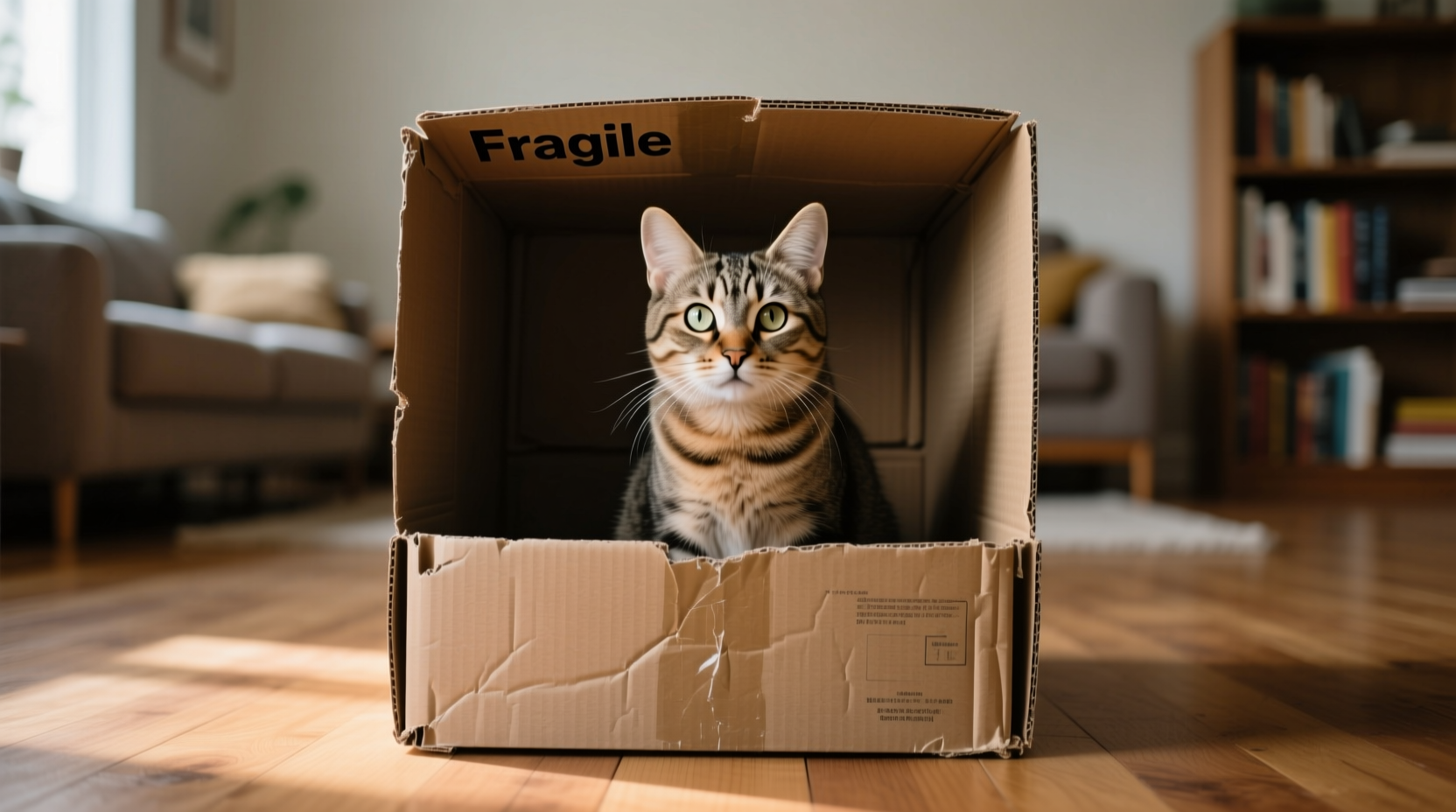
At the core of a cat’s attraction to boxes lies a primal need for safety. In the wild, cats are both predators and prey. Even domesticated cats retain the genetic memory of needing to avoid larger animals while stalking smaller ones. Enclosed spaces like boxes mimic dens—natural shelters that provide protection from threats above and around.
When a cat enters a box, it gains control over its environment. The walls limit visibility from multiple angles, reducing anxiety caused by unpredictable movement in the room. This sense of enclosure activates the parasympathetic nervous system, helping the cat relax. Studies have shown that shelter cats given access to hiding boxes exhibit lower stress levels and adapt more quickly to new surroundings.
“Cats seek out small, enclosed spaces because they offer thermal regulation and a psychological sense of security. It’s not just comfort—it’s survival programming.” — Dr. Sarah Ellis, Feline Behavior Scientist, University of Lincoln
Thermoregulation: Warmth and Energy Conservation
Another key reason cats love boxes is temperature control. The average domestic cat has a preferred ambient temperature between 86°F and 97°F (30°C–36°C), significantly higher than typical human indoor settings. Cardboard, despite being thin, provides insulation that helps trap body heat. Combined with the cat’s natural tendency to curl into a tight ball, a box becomes an efficient microclimate for conserving energy.
This thermoregulatory benefit is especially important for kittens, older cats, or those with medical conditions that affect circulation. A study published in *Applied Animal Behaviour Science* found that cats spent significantly more time in boxes when room temperatures were on the lower end of their comfort zone, suggesting that thermal motivation plays a measurable role in this behavior.
Tip: If your home is cool, provide insulated hiding spots—like fleece-lined boxes or covered cat beds—to support your cat’s natural warmth-seeking behavior.Stress Reduction and Environmental Control
Modern homes, though safe, can be overwhelming for cats. Constant noise, foot traffic, unfamiliar visitors, or even new furniture can trigger low-level stress. Boxes serve as “buffer zones” where cats can observe without being seen, allowing them to process changes at their own pace.
In multi-pet households, boxes often become neutral territories. A cat may use a box not necessarily to hide, but to claim space without confrontation. This is particularly common when introducing a new pet or during household disruptions such as renovations or moving.
Veterinarians and animal behaviorists frequently recommend providing accessible hiding places—including boxes—as part of a stress-reduction protocol. In clinical settings, cats presented with boxes within minutes of arrival show fewer signs of distress, such as vocalization, flattened ears, or tail flicking.
Real Example: Shelter Cat Adaptation
In a 2014 study conducted at a Dutch animal shelter, researchers divided newly arrived cats into two groups: one received a standard cage without additional cover, while the other was given a cardboard box placed inside the cage. Over a 14-day period, the cats with boxes demonstrated significantly lower stress scores using the Cat-Stress-Score (CSS) index. By day three, many in the box group had already begun exploring their cages, while those without boxes remained withdrawn for up to a week longer.
This case illustrates how a simple, low-cost intervention—providing a box—can dramatically improve psychological adjustment in high-stress environments.
Curiosity and Play: The Cognitive Component
Beyond survival and comfort, cats are naturally curious animals. Their brains are wired to investigate novel objects and changes in their environment. A new box represents both a puzzle and a potential resource. Is it safe? Can I fit inside? What happens if I bat at it?
This exploratory behavior engages the cat’s cognitive faculties. Pouncing, pawing, and squeezing into tight spaces are forms of environmental interaction that stimulate mental health. Without such outlets, cats may develop boredom-related behaviors like excessive grooming, overeating, or attention-seeking destruction.
Interestingly, research suggests that cats prefer new boxes over old ones—even if the older box is more comfortable. The novelty factor appears to outweigh familiarity, reinforcing the idea that exploration is intrinsically rewarding.
Do Cats Prefer Certain Types of Boxes?
While any enclosed space can attract a cat, certain features increase appeal:
- Size: Slightly larger than the cat when curled up—big enough to enter, small enough to feel enclosed.
- Height: Walls at least as tall as the cat’s shoulders to block peripheral vision.
- Entry Point: One clear opening allows better situational awareness than multiple holes.
- Texture: Uncoated cardboard is preferable; glossy or plastic-coated surfaces may feel less secure under paw.
| Box Feature | Why It Matters | Owner Tip |
|---|---|---|
| Newly introduced | Triggers investigative instinct | Rotate boxes weekly to maintain interest |
| Unoccupied interior | Allows full control over space | Avoid storing items inside once claimed |
| Dry and clean | Prevents avoidance due to odor or moisture | Replace damp or soiled boxes immediately |
| Elevated placement | Combines safety with vantage point | Place on sturdy furniture for added appeal |
Behavioral Enrichment: How to Support Natural Tendencies
Understanding the psychology behind box-sitting empowers owners to enhance their cat’s quality of life. Rather than viewing it as a funny habit, it should be recognized as a sign of healthy coping and environmental engagement. Providing appropriate outlets for these instincts prevents behavioral issues and strengthens the human-animal bond.
Step-by-Step Guide to Creating a Cat-Friendly Environment
- Assess your home’s layout: Identify high-traffic areas versus quiet zones. Place boxes in transitional spaces where your cat can retreat when overwhelmed.
- Introduce one box at a time: Start with a medium-sized cardboard box, open side facing a wall or corner. Let your cat approach it naturally.
- Add soft bedding: Line the bottom with an old sweater or blanket that carries familiar scents. Avoid strong detergents.
- Encourage use with positive reinforcement: Toss a treat inside or gently place your cat in the box during calm moments (never force entry).
- Rotate and refresh: Replace worn boxes monthly and introduce variations—different sizes, shapes, or orientations—to maintain interest.
- Combine with vertical space: Place a box on a low shelf or cat tree platform to give both elevation and enclosure.
Checklist: Cat Comfort Essentials
- ✅ At least one enclosed space per cat in the household
- ✅ Boxes placed in quiet, accessible locations
- ✅ Regular replacement of damaged or dirty boxes
- ✅ Integration with scratching posts or toys nearby
- ✅ Observation of usage patterns (time of day, duration)
- ✅ Avoidance of chemical cleaners near resting areas
Frequently Asked Questions
Is it safe for cats to chew on cardboard?
Occasional nibbling on plain, uncoated cardboard is generally harmless and may satisfy mild oral fixation. However, ingesting large pieces can lead to gastrointestinal blockages. Remove heavily chewed boxes promptly and discourage the habit with safe chew toys if necessary.
What if my cat doesn’t like boxes?
Not all cats exhibit strong box preference—personality and early socialization play roles. Some cats favor soft beds, elevated perches, or beneath furniture. The key is offering choice. If your cat avoids boxes, try alternatives like covered cat caves, laundry baskets with blankets, or DIY forts made from cushions.
Can I use plastic containers instead of cardboard?
Plastic bins can work if they’re well-ventilated and lined with absorbent material. However, they lack the insulating properties and scent-absorbing qualities of cardboard. Many cats find plastic too cold, slippery, or echo-prone. If used, ensure edges are smooth and lids are removed or propped open.
Conclusion: Respecting the Feline Mind
The seemingly simple act of a cat sitting in a box reveals a complex interplay of instinct, emotion, and cognition. Far from being random or merely adorable, this behavior reflects deep-seated needs for security, warmth, and environmental mastery. By recognizing and supporting these natural tendencies, owners can foster healthier, happier feline companions.
Instead of removing boxes as clutter, consider them essential tools in your cat’s emotional toolkit. A $0.00 investment in a cardboard container can yield priceless returns in reduced stress, increased confidence, and enriched daily life. In caring for cats, sometimes the smallest spaces make the biggest difference.
💬 Have you noticed patterns in when or why your cat chooses certain boxes? Share your observations in the comments—your experience could help others understand their cats better!








