Cats sitting in boxes is one of those universally recognized quirks that delights pet owners and baffles scientists in equal measure. Whether it's a shipping container, a shoebox, or a carefully folded piece of cardboard, felines seem irresistibly drawn to confined spaces. While many assume it’s just a cute habit, animal behaviorists and veterinarians suggest there’s more beneath the surface. This behavior isn’t random—it’s rooted in biology, psychology, and evolutionary survival strategies. Understanding why cats seek out boxes reveals profound insights into their emotional and physical needs.
The Science of Security: Why Enclosed Spaces Calm Cats
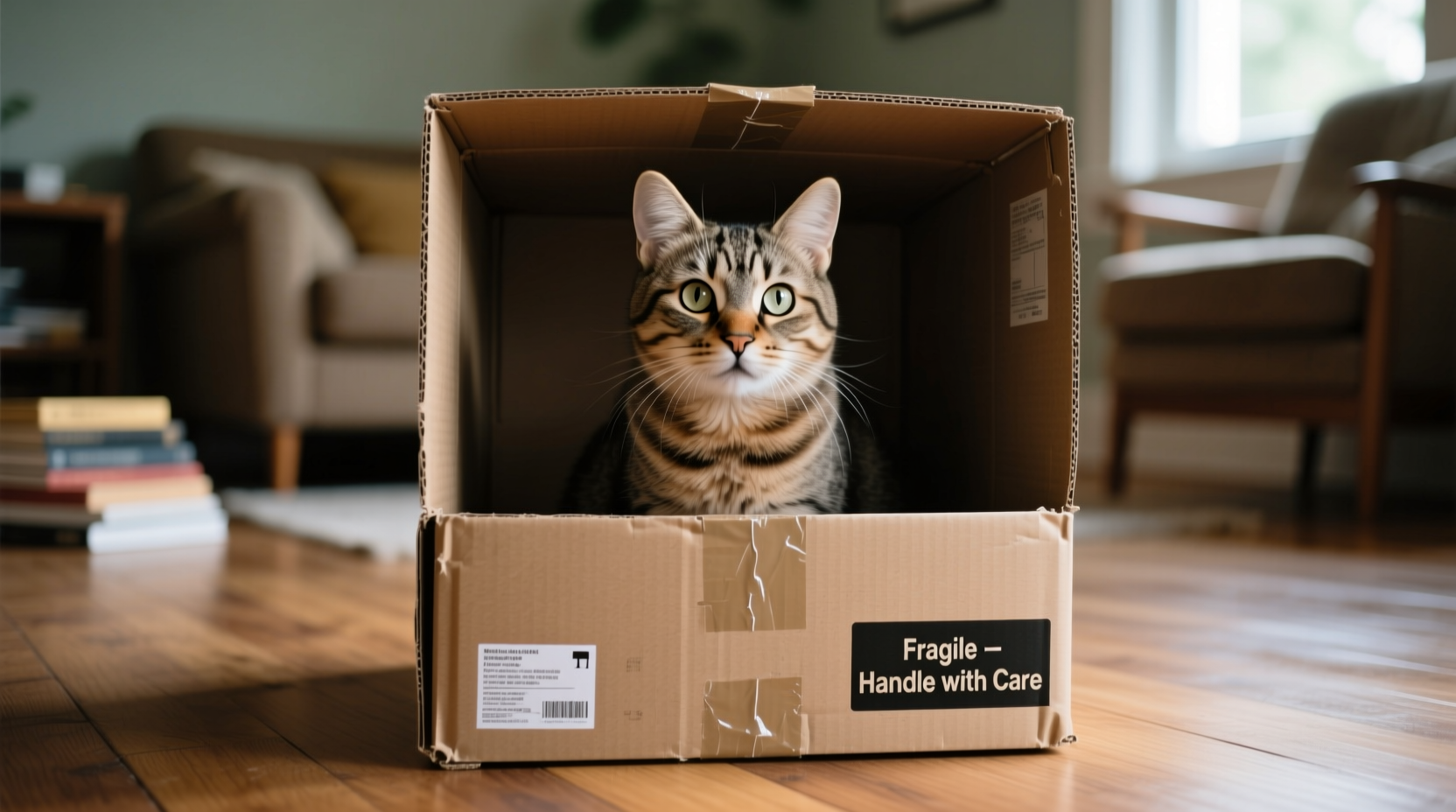
Cats are both predators and prey animals, a duality that shapes much of their behavior. In the wild, small enclosures like hollow logs, rock crevices, or dense underbrush offer protection from larger predators while allowing stealthy ambushes on smaller prey. Even domesticated cats retain these instincts. A box provides a three-sided barrier—visual, auditory, and physical—that creates a sense of security. When a cat enters a box, it can observe its surroundings with minimal exposure, reducing stress and anxiety.
Studies have shown that shelter cats given access to boxes exhibit lower stress levels than those without. A 2014 study published in *Applied Animal Behaviour Science* monitored newly arrived shelter cats over two weeks. Those provided with cardboard boxes adapted to their new environment significantly faster, showing fewer signs of fear and greater willingness to interact with humans. The researchers concluded that boxes act as “security blankets,” helping cats regulate their emotions during periods of change.
“Cats need control over their environment. A box gives them a private space where they feel invisible and safe.” — Dr. Sarah Ellis, Feline Behavior Specialist, University of LincolnTip: If your cat seems anxious after a move or during loud events (like thunderstorms), place an open box in a quiet corner. It may provide instant relief.
Thermoregulation: Warmth as a Driving Force
Beyond psychological comfort, there’s a physiological reason cats love boxes: warmth. The average resting body temperature of a cat is between 100.5°F and 102.5°F (38°C–39.2°C), higher than humans. To maintain this, cats seek out warm spots—sunbeams, radiators, laptops, and yes, cardboard boxes.
Cardboard is a surprisingly effective insulator. Its fibrous structure traps air, creating a microclimate that retains heat. When a cat curls up inside a box, its body heat warms the interior, turning the container into a cozy thermal retreat. This is especially important for kittens, older cats, or breeds with short coats, who lose heat more quickly.
In colder climates or drafty homes, you’ll often find cats choosing boxes over plush beds. Unlike fabric bedding, which can absorb moisture and cool down, dry cardboard maintains consistent insulation. This preference underscores how cats prioritize function over aesthetics—a trait inherited from their wild ancestors.
Do’s and Don’ts of Providing Warm Hideaways
| Action | Recommended? | Reason |
|---|---|---|
| Use clean cardboard boxes | ✅ Yes | Affordable, insulating, and easily replaceable |
| Add soft blankets inside | ✅ Yes | Increases comfort and warmth retention |
| Seal all sides of the box | ❌ No | Blocks escape routes; reduces sense of control |
| Place near heat sources (radiators) | ⚠️ Caution | Risk of overheating or fire hazard |
| Use plastic storage bins | ⚠️ Limited | Less breathable; can trap moisture |
Stress Reduction and Environmental Control
Modern homes are full of unpredictable stimuli—doorbells, vacuum cleaners, visiting guests, other pets. For a species that thrives on routine and territory, these disruptions can be overwhelming. Boxes serve as coping mechanisms, offering what behavioral scientists call a “buffer zone” against environmental stressors.
When a cat retreats into a box, it regains a sense of agency. From this vantage point, it can assess threats without being seen. This aligns with the concept of “perceived safety”—a mental state where the animal feels protected even if no actual danger exists. Over time, repeated use of such spaces reinforces positive emotional regulation.
This behavior is particularly evident in multi-cat households. Dominant cats may claim central areas, forcing subordinates to seek refuge in overlooked corners. A simple box placed under a table or beside a bookshelf can become a critical sanctuary for a socially stressed cat, preventing aggression and promoting coexistence.
Mini Case Study: Luna, the Anxious Rescue Cat
Luna, a two-year-old tabby rescued from a hoarding situation, was adopted into a busy family home with two children and a dog. Initially, she hid under furniture and avoided interaction. Her new owner, Maria, introduced several open-topped boxes around the house—some plain, others lined with fleece. Within days, Luna began using a box placed behind the couch as her primary resting spot. Gradually, she started napping with her paws visible, then allowed brief petting sessions while inside. After three weeks, she emerged more frequently, eventually sleeping on the bed. The box didn’t just offer warmth—it gave her a controlled entry point into a chaotic world.
Instinct Meets Curiosity: The Role of Exploration
While safety and warmth explain much of the behavior, curiosity plays an equally vital role. Cats are highly neophilic—they’re naturally drawn to novel objects and environments. A new box represents uncharted territory, triggering investigative instincts. Once explored, the box transitions from novelty to utility.
Interestingly, research suggests that cats don’t just sit in boxes—they assess them. They sniff the edges, paw at the corners, and sometimes circle before entering. This ritualistic evaluation ensures the space is structurally sound and free of threats. Only after this inspection do they fully commit, often curling into a tight loaf shape to maximize contact with the surface.
This blend of caution and curiosity reflects the dual nature of feline cognition: cautious enough to survive, curious enough to thrive. The box becomes both a puzzle and a prize—an object to investigate and a reward for doing so.
Step-by-Step: Creating the Ideal Cat-Friendly Box Space
- Select the right size: The box should be large enough for your cat to turn around but snug enough to feel enclosed. A good rule: about 1.5 times your cat’s length.
- Cut a single entrance: One opening allows visibility while maintaining back-cover protection. Avoid multiple cutouts that compromise structural integrity.
- Elevate slightly (optional): Place the box on a low platform to give a better view of the room—this appeals to cats who like surveillance.
- Add soft lining: Use removable fleece or cotton towels for comfort. Avoid synthetic materials that may cause static or overheating.
- Rotate locations weekly: Move the box to different rooms to keep it interesting and expand your cat’s sense of territory.
- Replace when worn: Flattened or soiled boxes lose their appeal. Keep spares ready for quick swaps.
Is It Always Normal? When Box-Sitting Signals Trouble
While occasional box use is healthy, excessive or sudden changes in this behavior can indicate underlying issues. A cat that previously avoided boxes but now spends most of its day hidden may be experiencing pain, illness, or heightened anxiety. Similarly, aggressive guarding of a box—hissing or swatting when approached—can signal resource insecurity or fear-based reactivity.
Veterinarians recommend monitoring duration, frequency, and context. If your cat refuses food, avoids litter box duties, or shows vocal distress while in the box, consult a professional. These could be signs of urinary tract infections, arthritis, hyperthyroidism, or cognitive decline in older cats.
- Red flags include: lethargy, reduced grooming, weight loss, or elimination outside the box.
- Behavioral concerns: prolonged isolation, trembling, or panting while enclosed.
- Situational triggers: recent adoption, new pets, construction noise, or household conflict.
Frequently Asked Questions
Do all cats like boxes, or is it breed-specific?
Most cats, regardless of breed, show some attraction to boxes. However, individual personality plays a bigger role than genetics. Shyer cats tend to use boxes more frequently, while bold or outgoing cats may prefer elevated perches. That said, even confident cats will use boxes when tired, cold, or seeking privacy.
Can I use alternatives to cardboard boxes?
Yes. Commercial cat caves, igloo beds, and fabric tunnels can mimic the enclosed feeling of a box. However, many cats still prefer cardboard due to its scent neutrality and chewable texture. If using alternatives, ensure they are washable, well-ventilated, and easy to exit.
Should I remove the box if my cat uses it too much?
No. Removing a preferred hiding spot can increase stress. Instead, address potential causes of anxiety—such as inconsistent routines or environmental noise—and enrich the rest of the space with climbing shelves, scratching posts, and interactive toys. More options mean healthier choices.
Practical Checklist: Supporting Your Cat’s Need for Enclosed Spaces
- ✔ Provide at least one accessible box per floor of your home
- ✔ Ensure boxes have clear escape routes (don’t seal tops or sides)
- ✔ Rotate boxes weekly to maintain interest
- ✔ Monitor usage patterns for sudden changes
- ✔ Combine with calming aids (Feliway diffusers) during stressful events
- ✔ Never punish or forcibly remove a cat from a box
- ✔ Use boxes as positive reinforcement zones (treats, praise)
“The box isn’t just a quirk—it’s a window into the feline mind. What looks like whimsy is actually sophisticated environmental management.” — Dr. Tony Buffington, Veterinary Medical Advisor, Indoor Pet Initiative
Conclusion: Embracing the Box as a Tool for Well-Being
The humble cardboard box is far more than a temporary toy or internet meme. It’s a multifunctional tool that supports a cat’s emotional, thermal, and psychological health. By understanding why cats are drawn to these spaces, we move beyond amusement to empathy. We see not a silly habit, but a deeply ingrained survival mechanism refined over millennia.
Providing boxes isn’t indulgence—it’s responsible care. In a world designed for humans, giving cats control over their micro-environments empowers them to live with less stress and greater confidence. Whether your cat uses a box for warmth, safety, or simple curiosity, honoring this instinct strengthens trust and deepens your bond.
💬 Have a story about your cat’s favorite box? Share your experience below—your insight might help another cat owner understand their feline friend a little better.








