
Cats have long been companions to humans, not just for their independence or playful antics, but for the quiet comfort they provide. One of the most distinctive and calming behaviors a cat exhibits is purring. The soft, rhythmic vibration often signals contentment, but it also occurs in moments of pain, fear, or illness. This duality raises an important question: what exactly causes cats to purr, and could this seemingly simple sound carry deeper benefits—especially for human well-being?
Scientific research over the past few decades has begun to unravel the mechanics behind feline purring and its potential therapeutic effects. From neurological triggers to physiological vibrations, purring is more than just a sign of a happy cat. In fact, emerging evidence suggests that the frequency of a cat’s purr may promote tissue regeneration, reduce inflammation, and even alleviate symptoms of stress and anxiety in humans.
The Science Behind Feline Purring
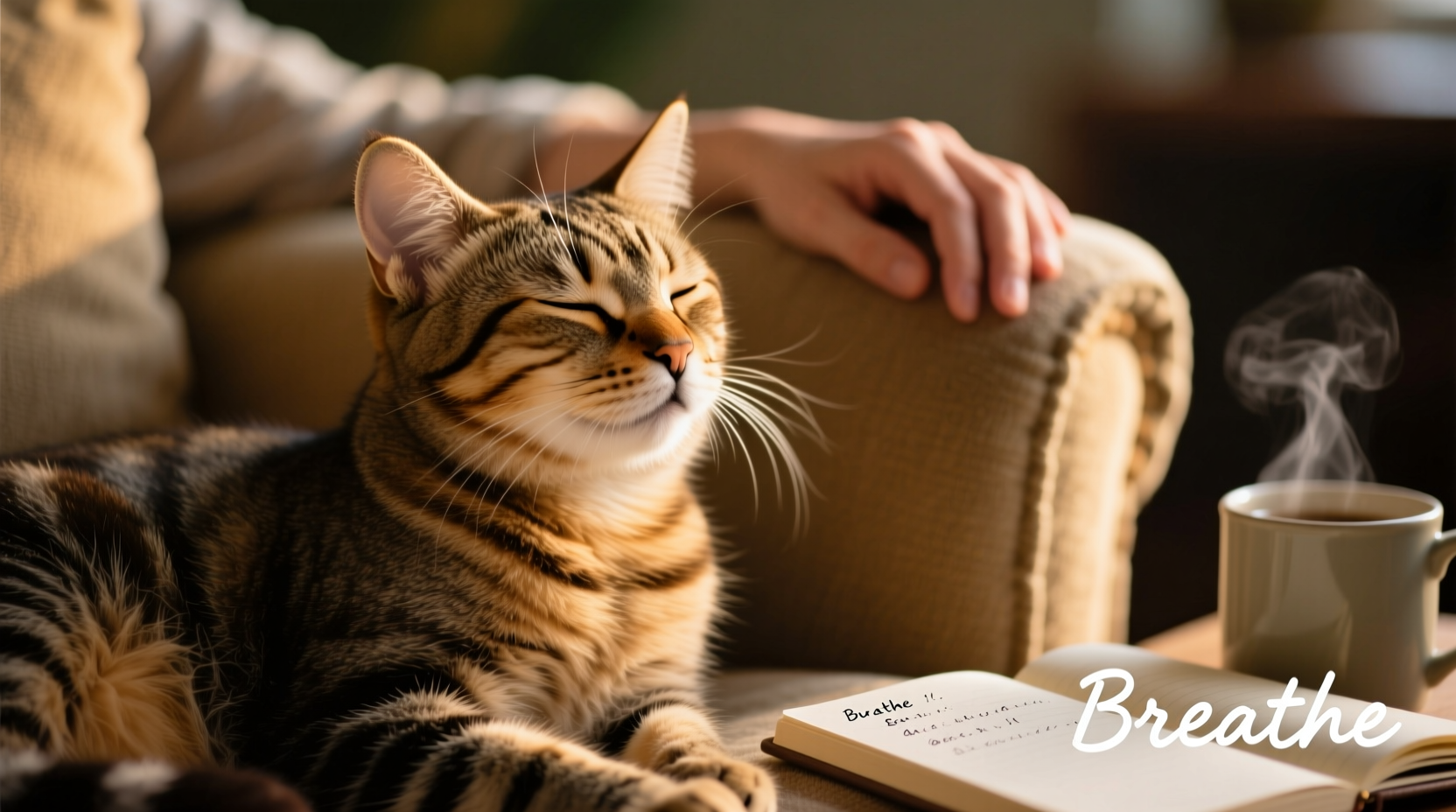
Purring is produced by rapid contractions of the laryngeal muscles, synchronized with the movement of the diaphragm. These contractions cause the airway to open and close rapidly as the cat breathes in and out, creating a continuous vibrational sound typically ranging between 25 and 150 Hertz (Hz). Unlike many other vocalizations, purring requires minimal effort and can be sustained for long periods without tiring the animal.
What's particularly fascinating is that cats purr in a wide range of situations—not only when they’re relaxed or being petted, but also when they are injured, giving birth, or even near death. This suggests that purring serves multiple functions beyond expressing emotion. Researchers believe it may be a self-soothing mechanism, a method of communication, and possibly even a form of physical healing.
A study published in the *Journal of the Acoustical Society of America* found that domestic cats produce purrs in the 25–50 Hz range—a frequency known to enhance bone density and promote the healing of fractures and soft tissues in mammals. This has led scientists to speculate that purring may be an evolutionary adaptation that helps cats maintain musculoskeletal health, especially given their long periods of rest and inactivity.
“Cats may be using purring as a built-in healing mechanism. The frequencies associated with purring overlap with those used in therapeutic medicine for bone repair and pain relief.” — Dr. Leslie A. Lyons, Feline Geneticist, University of Missouri
How Purring Affects Human Stress Levels
For many people, the presence of a purring cat is inherently calming. Whether curled up on a lap during a stressful evening or quietly sitting beside someone recovering from illness, cats seem to intuitively offer emotional support. But is this effect purely psychological, or does the physical act of hearing and feeling a purr have measurable biological impacts?
Research indicates that interaction with purring cats can lead to significant reductions in human stress markers. A 2009 study conducted at the University of Minnesota Stroke Institute followed over 4,000 adults for ten years and found that cat owners had a 30% lower risk of heart attack and stroke compared to non-owners. While lifestyle factors were considered, researchers attributed part of this protective effect to the calming influence of a cat’s purr.
The mechanism likely involves multiple systems:
- Parasympathetic activation: The low-frequency vibrations of purring may stimulate the parasympathetic nervous system, which governs rest and digestion, helping to slow heart rate and lower blood pressure.
- Oxytocin release: Physical contact with pets increases levels of oxytocin, the “bonding hormone,” which reduces cortisol (the stress hormone) and enhances feelings of trust and relaxation.
- Sensory grounding: The tactile sensation of a purring cat on the body provides gentle rhythmic stimulation that can anchor attention, reducing rumination and anxiety.
Therapeutic Frequencies: Nature’s Healing Vibration
The frequency range of a cat’s purr—particularly between 25 and 50 Hz—aligns closely with frequencies used in clinical therapies for wound healing, muscle recovery, and bone growth. For example:
- 25–50 Hz: Shown to improve bone density and accelerate fracture healing.
- 50–100 Hz: Used in physical therapy to reduce swelling and relieve pain in soft tissues.
- 100–150 Hz: Associated with reduced dyspnea (difficulty breathing) and improved respiratory function.
Interestingly, these same ranges are consistently present in feline purrs. Some veterinary experts suggest that cats may instinctively adjust their purring frequency depending on their condition—producing lower frequencies when injured and higher ones when seeking attention or food.
This phenomenon has inspired the development of “purr box” devices—vibrational tools designed to mimic the frequency of a cat’s purr for use in animal rehabilitation. Though still experimental, early trials show promise in reducing post-surgical pain and improving mobility in dogs and rabbits.
Comparison of Purring Frequencies and Therapeutic Applications
| Purring Frequency (Hz) | Observed Effect in Cats | Human Medical Application |
|---|---|---|
| 25–50 | Bone and joint healing, muscle repair | Ultrasound therapy for fractures |
| 50–100 | Tissue regeneration, inflammation reduction | Physical therapy for sprains and edema |
| 100–150 | Respiratory regulation, distress signaling | Assisted breathing in chronic lung conditions |
Real-Life Impact: A Case Study in Emotional Recovery
Sarah Thompson, a 42-year-old teacher from Portland, Oregon, began experiencing severe anxiety after a car accident left her with chronic back pain and PTSD. Traditional treatments helped, but she struggled with sleep and emotional regulation. On the advice of her therapist, she adopted a rescue cat named Milo.
Within weeks, Sarah noticed a change. “Every night, Milo would jump onto the couch and curl up against my side, purring softly. I started timing my breathing with his purr—inhale for two pulses, exhale for three. It became a ritual.” Over time, her nighttime panic attacks decreased, her sleep improved, and she reported feeling “more grounded” during the day.
Her physician noted a drop in her resting heart rate and blood pressure during follow-up visits. While multiple factors contributed to her recovery, both Sarah and her care team credited Milo’s consistent presence—and especially his purring—as a key element in her emotional healing process.
Recognizing the Limits: Not All Purring Is Calm
While purring is often associated with comfort, it’s crucial to understand that cats also purr when stressed, injured, or frightened. This behavior is thought to be a self-soothing strategy, similar to how some humans hum or rock when anxious. Therefore, interpreting purring solely as a sign of happiness can be misleading.
Context matters. A cat purring while being gently stroked on a sunny windowsill is likely content. But a cat hiding under the bed and purring after a loud noise may be using the vibration to calm itself. Similarly, a sick cat at the vet’s office might purr not out of pleasure, but as a coping mechanism.
Understanding this distinction allows pet owners to respond appropriately—offering affection when welcomed, and space when needed.
Tip: Combine visual cues with auditory ones. If your cat is purring but has flattened ears, dilated pupils, or a twitching tail, it may be stressed rather than relaxed.How to Maximize the Stress-Relief Benefits of Cat Purring
Even if you don’t own a cat, you can still benefit from the calming effects of feline companionship. Here’s a practical checklist to help you harness the therapeutic power of purring:
Stress-Relief Checklist: Engaging with Cat Purring
- Visit cat cafes or animal shelters: Many cities now host cat cafes where visitors can relax in a room with adoptable cats. Even short interactions can lower stress.
- Practice mindful petting: When interacting with a purring cat, focus on your breath and synchronize it with the rhythm of the purr (e.g., inhale for four seconds, exhale for six).
- Use purr recordings: High-quality audio clips of cat purring are available online and can be played during meditation or before sleep.
- Adopt mindfully: If considering cat ownership, choose a temperamentally compatible cat and create a low-stress environment to encourage frequent purring.
- Limit distractions: Turn off screens and silence notifications during cat interaction to fully engage in the calming experience.
Frequently Asked Questions
Can all cats purr?
Most domestic cats can purr, but not all felines have this ability. Big cats like lions and tigers cannot purr continuously due to differences in their laryngeal anatomy. Instead, they produce a similar sound called “chuffing.” In contrast, smaller wildcats like bobcats and ocelots can purr like house cats.
Why do cats purr when they’re in pain?
Cats may purr when injured or ill because the vibrations can help reduce pain and accelerate healing. Additionally, purring may serve as a self-calming behavior, helping them manage fear or discomfort.
Can listening to cat purrs replace medical treatment for stress?
No. While purring can complement stress management strategies, it should not replace professional mental health care. Individuals with chronic anxiety, depression, or PTSD should consult healthcare providers for appropriate treatment.
Conclusion: Embracing the Healing Hum of the House Cat
The humble purr is far more than a sign of feline satisfaction—it’s a complex biological tool with surprising implications for both animal and human health. From stimulating tissue repair to lowering blood pressure and easing emotional distress, the vibrations of a cat’s purr resonate with deep physiological harmony.
In a world increasingly defined by digital noise and constant stimulation, the quiet, rhythmic hum of a cat offers a rare moment of organic tranquility. Whether you’re a lifelong cat lover or simply seeking new ways to manage stress, taking time to listen—really listen—to a purring cat might be one of the simplest, most effective wellness practices available.
💬 Have a story about how your cat’s purr helped you through a tough time? Share your experience in the comments—your insight could comfort someone else looking for peace.








