Cats are creatures of habit, ritual, and subtle communication. Among their most endearing behaviors is paw kneading—rhythmic pushing in and out with their front paws, often against soft surfaces like blankets, laps, or even human arms. While it may look like a quirky habit, kneading is deeply rooted in biology, emotion, and evolutionary adaptation. This behavior, sometimes called “making biscuits,” is far more than just an odd quirk; it’s a window into a cat’s psychological and physiological world.
Understanding why cats knead offers insight into their early development, emotional needs, and instinctual drives. Whether your cat gently presses against your thigh or aggressively claws at a throw pillow, each motion carries meaning. From survival mechanisms in kittenhood to expressions of comfort and territory marking, paw kneading weaves together instinct, memory, and emotion in one rhythmic action.
The Origins of Kneading: A Survival Instinct from Kittenhood
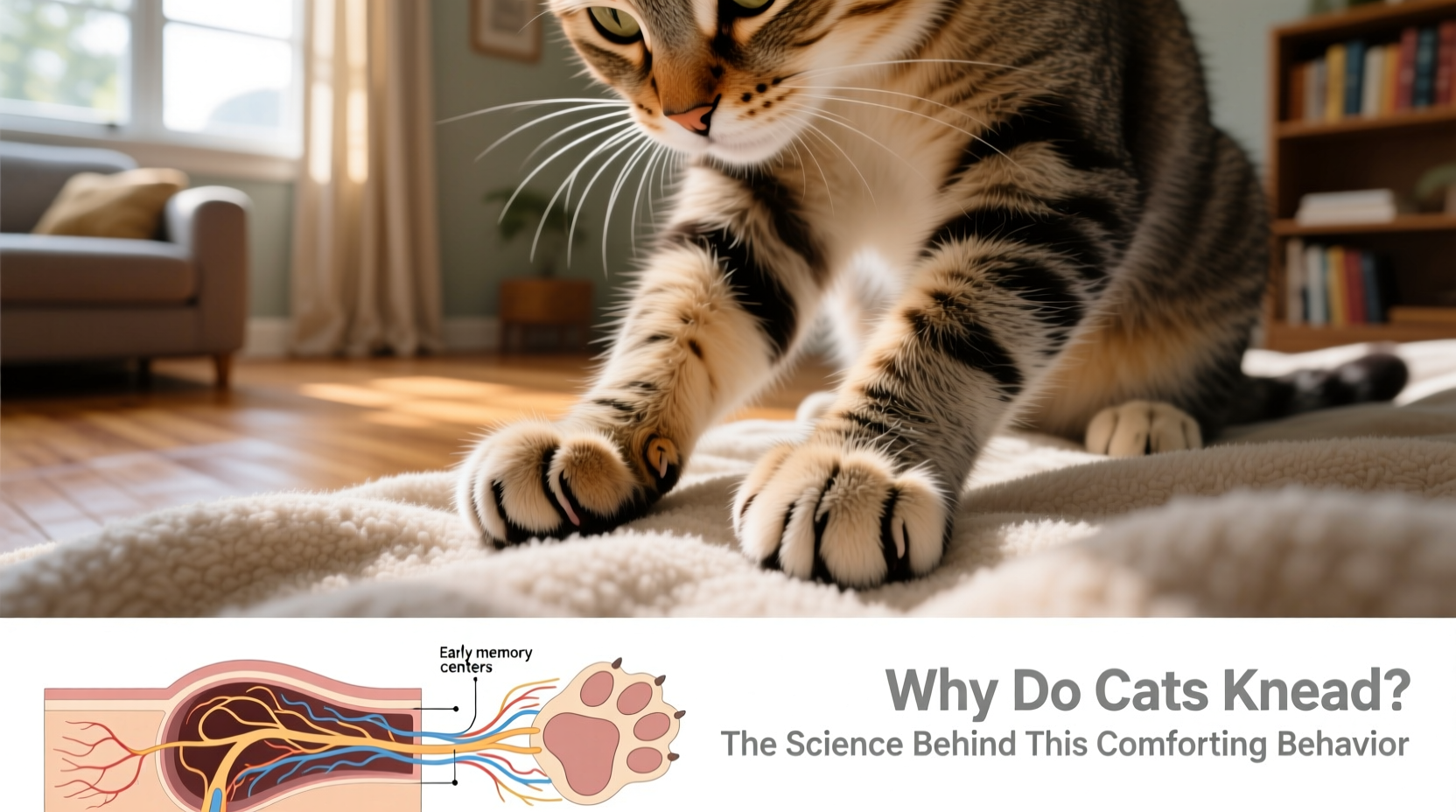
Kneading begins in the earliest days of a cat’s life. Newborn kittens are blind and deaf for the first week or two, relying on touch and scent to navigate toward their mother’s milk. To stimulate milk flow from the mammary glands, kittens rhythmically push their tiny paws against their mother’s belly. This tactile stimulation triggers the release of oxytocin, the hormone responsible for milk let-down.
This early motor pattern becomes hardwired into a cat’s nervous system. Even after weaning, the act of kneading remains associated with nourishment, warmth, and safety. When adult cats knead, they’re often reliving that primal sense of security. The behavior persists because it’s neurologically rewarding—linked to positive emotions and physical comfort.
“Kneading is one of the clearest examples of a neonatal reflex that persists into adulthood due to its strong emotional reinforcement.” — Dr. Sarah Hartwell, Feline Behavior Researcher
Because the act was so closely tied to survival and maternal bonding, cats retain the behavior well into maturity. It’s not learned—it’s instinctual, much like suckling or purring. In fact, studies in developmental ethology suggest that repetitive motor patterns formed during critical periods of infancy can become lifelong habits when paired with positive outcomes.
Emotional Comfort and Stress Relief
In adult cats, kneading often occurs during moments of relaxation or contentment. You’ll likely observe your cat kneading when settling onto your lap, curling up on a sunlit couch, or preparing to nap. These are low-stress environments where the cat feels safe. The rhythmic motion appears to have a self-soothing effect, similar to how humans might rock, fidget, or engage in repetitive hand movements when calm or anxious.
Neurological research suggests that repetitive behaviors can activate the parasympathetic nervous system, promoting relaxation. For cats, the physical sensation of pressing and releasing may mimic the calming rhythm of nursing. The release of endorphins during such activities further reinforces the behavior as pleasurable.
Interestingly, some cats also knead when stressed or displaced—such as during travel, visits to the vet, or introduction to a new home. In these cases, kneading serves as a coping mechanism, helping the cat regain a sense of control and familiarity. It’s a form of behavioral grounding, reconnecting them to a time when everything was warm, fed, and protected.
Tip: If your cat kneads excessively during stressful events, provide a familiar blanket or item with your scent to enhance comfort.Territory Marking: Scent Communication Through Paws
Beyond comfort and nostalgia, kneading plays a role in feline communication. Cats have scent glands located in the soft pads of their paws, which secrete pheromones—chemical signals used for social and territorial messaging. When a cat kneads, they are subtly marking the surface (or person) with their unique olfactory signature.
This scent marking is not aggressive; rather, it’s a way of claiming something as “safe” or “familiar.” By depositing their pheromones, cats create a personalized environment that smells reassuring. This is why cats often knead their favorite sleeping spots, toys, or owners—they’re reinforcing a sense of ownership and emotional security.
In multi-cat households, shared kneading zones (like a common resting cushion) can indicate social bonding. The overlapping scents reduce tension and promote group cohesion. Synthetic feline facial pheromone diffusers (like Feliway) mimic this natural chemical signaling, which is why they’re effective in reducing anxiety-related behaviors.
Preparing the Nest: An Evolutionary Holdover
Long before domestication, wild felids engaged in nest preparation behaviors. Female cats in the wild would trample down grass, leaves, or snow to create a soft, insulated depression for giving birth and raising kittens. This tamping-down motion closely resembles modern-day kneading.
Even spayed or neutered indoor cats may exhibit nesting-like kneading, especially when choosing a sleeping spot. The behavior ensures the surface is comfortable, free of debris, and properly shaped for rest. While today’s cats sleep on plush beds or sofas, the instinct to “fluff” their resting place remains encoded in their DNA.
This nesting function also explains why some cats knead vigorously before lying down—sometimes accompanied by circling or scratching. These are all components of a pre-sleep ritual designed to optimize comfort and safety, echoing ancestral routines that once meant the difference between survival and exposure.
When Kneading Becomes Problematic: Claws and Discomfort
While kneading is generally harmless, it can sometimes lead to discomfort—especially if your cat uses extended claws. Some cats remain unaware that their kneading, while soothing to them, can scratch or pinch human skin. Others may become overly enthusiastic, treating arms or chests as dough to be flattened.
To manage this without discouraging the behavior entirely, consider the following adjustments:
- Trim your cat’s claws regularly to minimize sharpness.
- Place a thick blanket or cushion between your lap and the cat during kneading sessions.
- Redirect the behavior to a designated “kneading toy” like a soft plush mat.
- Avoid punishment, as this can increase anxiety and suppress natural behaviors.
It’s important not to stop kneading altogether—it’s a vital emotional outlet. Instead, focus on managing the physical impact while preserving the cat’s sense of security.
Do’s and Don’ts of Managing Cat Kneading
| Do | Don't |
|---|---|
| Provide soft surfaces for kneading (blankets, cushions) | Punish or scold your cat for kneading |
| Trim claws every 2–3 weeks | Ignore signs of overstimulation (biting, hissing) |
| Use pheromone sprays to encourage calm kneading | Force your cat off your lap abruptly |
| Encourage play before cuddle time to reduce intensity | Assume kneading means your cat wants food or attention |
Mini Case Study: Luna, the Rescue Cat Who Found Calm Through Kneading
Luna, a three-year-old domestic shorthair, was rescued from a hoarding situation where she had minimal human contact. After being adopted, she displayed high levels of anxiety—hiding under furniture, refusing to eat in open spaces, and vocalizing frequently at night.
Her new owner, Maria, noticed that Luna began kneading a woolen throw blanket within days of arrival. At first, the behavior was frantic—rapid, forceful pushes with claws extended. Over time, as Luna grew more secure, the kneading slowed, became softer, and was often followed by deep purring and sleep.
Maria started placing the same blanket in different rooms to help Luna feel safe. She also played calming music and used a pheromone diffuser. Within six weeks, Luna was sleeping on Maria’s lap, kneading gently with half-closed eyes. The transformation wasn’t overnight, but the consistent expression of this innate behavior signaled her growing emotional stability.
Luna’s story illustrates how kneading isn’t just a relic of kittenhood—it’s a dynamic tool for emotional regulation. For trauma-affected cats, allowing space for this behavior can accelerate recovery and trust-building.
Expert Insight: What Science Says About Feline Kneading
Recent studies using motion analysis and behavioral observation have confirmed that kneading activates brain regions associated with reward and relaxation. A 2022 study published in *Applied Animal Behaviour Science* found that cats who kneaded regularly had lower cortisol levels than those who didn’t—suggesting a direct link between the behavior and stress reduction.
Additionally, researchers observed that cats deprived of early maternal contact were less likely to knead in adulthood, reinforcing the idea that the behavior is both instinctual and shaped by early experience.
“Kneading is a barometer of feline well-being. When a cat feels safe enough to revert to infantile behaviors, it’s a sign of profound trust.” — Dr. Emily Zhao, Veterinary Ethologist
Frequently Asked Questions
Is kneading a sign of affection?
Yes, in most cases. When a cat kneads you, it’s often combining tactile comfort with scent marking, effectively saying, “You are part of my safe space.” It’s one of the highest forms of feline trust.
Why does my cat drool when kneading?
Drooling during kneading is common and usually indicates extreme relaxation. It’s linked to the same state of bliss experienced during nursing. As long as there are no dental issues, it’s perfectly normal.
Should I discourage my cat from kneading?
No—unless it causes injury or distress. Kneading is a healthy, self-regulating behavior. Instead of stopping it, manage the environment (e.g., use protective layers, keep claws trimmed).
How to Support Healthy Kneading Behavior: A Step-by-Step Guide
If you want to encourage safe and satisfying kneading, follow this practical timeline:
- Week 1: Observe when and where your cat kneads. Note triggers (e.g., after meals, during petting).
- Week 2: Introduce a dedicated kneading pad—a soft, washable blanket or plush mat placed in their favorite resting area.
- Week 3: Begin regular claw trimming. Use pet-safe clippers and reward calm behavior.
- Week 4: If your cat kneads on you, gently place the kneading pad over your lap to redirect the behavior.
- Ongoing: Reinforce the association between the pad and comfort by occasionally treating it with cat-safe pheromone spray.
This gradual approach respects your cat’s instincts while minimizing discomfort for both of you.
Conclusion: Embracing the Biscuit-Making Ritual
Kneading is more than a cute habit—it’s a complex behavior woven from survival, emotion, and communication. From the first days of life to the quiet moments of adulthood, cats use this rhythmic motion to express comfort, mark their world, and self-soothe. Understanding the science behind it allows us to appreciate the depth of our feline companions’ inner lives.
Rather than viewing kneading as a nuisance, see it as a gift—an invitation into a cat’s most vulnerable and trusting state. With thoughtful care, you can support this natural behavior while keeping both your cat and yourself comfortable.
💬 Does your cat knead? Share your stories or tips in the comments—your experience could help another cat owner understand this beautiful behavior.








