Cats are creatures of subtle expression, often communicating through gestures that seem mysterious to humans. One such behavior—kneading—is both endearing and puzzling. You’ve likely seen your cat rhythmically pushing its front paws in and out against a soft surface: a blanket, your lap, or even your arm. While it may look like they’re making invisible bread, this action is deeply rooted in emotion, memory, and survival instinct. Understanding why cats knead offers insight into their psychological makeup and strengthens the bond between pet and owner.
The Origins of Kneading: A Behavior Rooted in Infancy
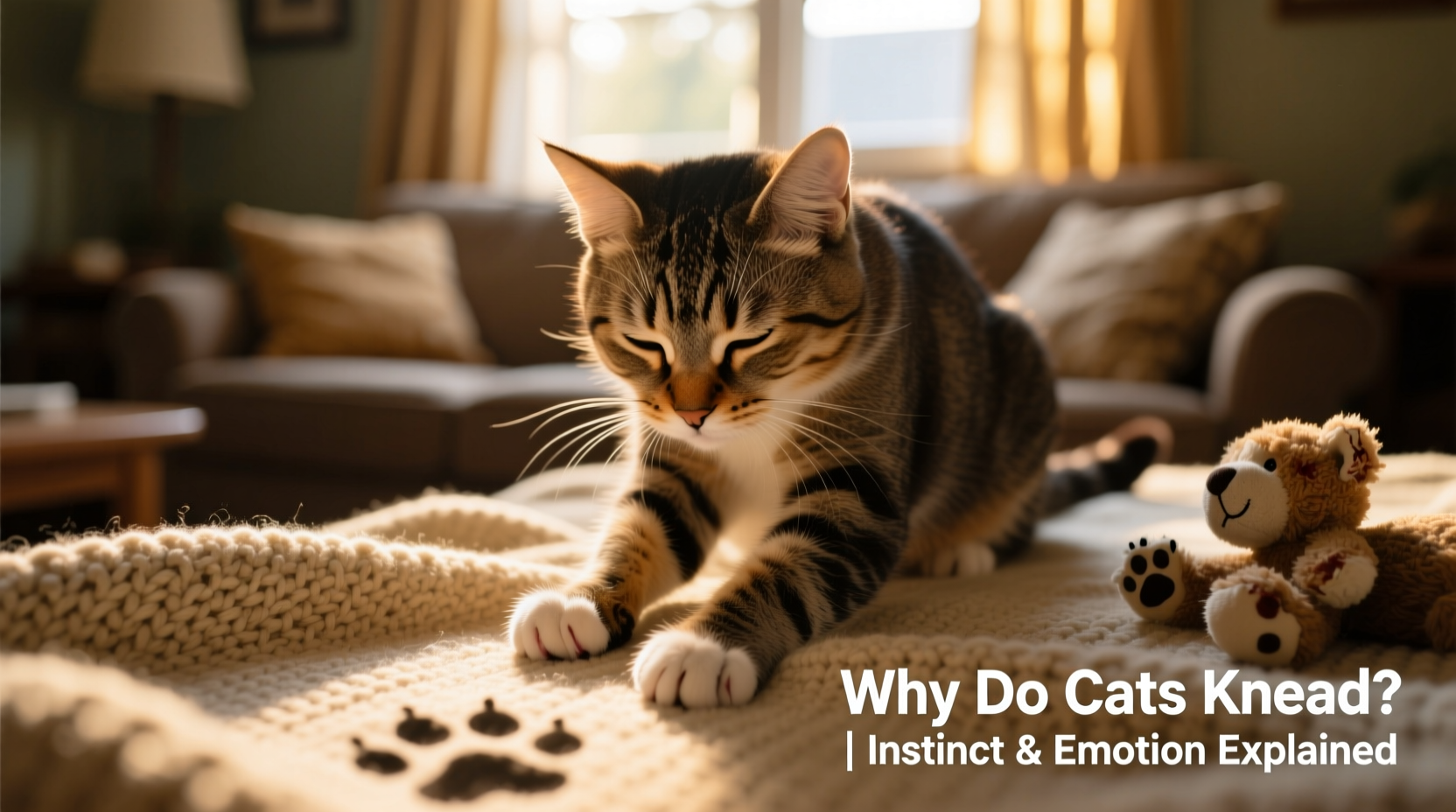
Kneading begins in kittenhood. When nursing, kittens press their tiny paws against their mother’s mammary glands to stimulate milk flow. This motion is not random—it’s a biological mechanism that ensures nourishment. The rhythmic compression increases blood circulation in the mother’s tissue, encouraging a steady release of milk. Over time, this act becomes associated with warmth, comfort, and safety.
As cats grow, they retain this behavior into adulthood, even though it no longer serves a nutritional purpose. Instead, it transforms into a self-soothing ritual. Adult cats often knead when they feel secure, relaxed, or affectionate. It’s a physical echo of one of the first positive experiences in their lives—the closeness of their mother and the satisfaction of feeding.
“Kneading is a throwback to kittenhood, but it’s also a window into a cat’s emotional state. When a cat kneads you, it’s placing immense trust in you.” — Dr. Sarah Thompson, Feline Behavioral SpecialistTip: If your cat kneads during petting, respond gently by speaking softly or offering slow blinks—a sign of trust in cat language.
Emotional Triggers Behind Kneading
While the origin of kneading is instinctual, its persistence in adult cats is largely emotional. Cats use this behavior to express feelings of contentment, affection, and security. When a cat chooses to knead on your lap, it’s not just a mechanical repetition—it’s a deliberate emotional signal.
Several emotional contexts commonly trigger kneading:
- Contentment: After a meal, during a sunbeam nap, or while being petted, cats often begin kneading as a sign of deep relaxation.
- Affection: Kneading on a human is a gesture of bonding. It indicates that the cat views you as a trusted caregiver, akin to a maternal figure.
- Anxiety Relief: Some cats knead when stressed or adjusting to change. The repetitive motion has a calming effect, similar to how humans might rock or fidget.
- Claiming Territory: Cats have scent glands in their paw pads. Kneading releases pheromones, marking the surface—or person—as part of their safe space.
This last point is crucial. Scent marking is an essential part of feline social behavior. By kneading you, your cat isn’t just showing love—they’re saying, “You belong to me, and I feel safe here.”
Instinctual Behaviors That Influence Kneading
Beyond emotion, several ancestral instincts contribute to kneading. Domestic cats are descendants of wild felines who prepared sleeping areas by trampling down grass, leaves, or snow to create a soft, level bed. This nesting behavior ensured warmth, concealment from predators, and comfort. Even indoor cats with plush beds may knead before lying down—an unconscious ritual of nest preparation.
Additionally, kneading can be linked to mating behavior. Female cats in heat often knead more frequently and intensely, sometimes accompanied by vocalizations. This action may signal receptiveness to males and prepare the body for mating. While neutered cats don’t experience hormonal surges, the motor pattern remains embedded in their behavioral repertoire.
| Trigger | Emotional Reason | Instinctual Reason |
|---|---|---|
| On a soft blanket | Feeling safe and relaxed | Nest-building instinct |
| On a human’s lap | Bonding and affection | Scent marking and maternal association |
| Before sleeping | Self-soothing | Preparing a sleeping area |
| During petting | Enjoyment and trust | Reactivation of nursing memory |
When Kneading Becomes a Problem: Managing Claws and Discomfort
While kneading is natural and generally harmless, it can become uncomfortable—especially when claws are involved. Some cats extend their claws during the motion, leading to scratches or fabric damage. Others may suckle on fabrics or even bite gently while kneading, a behavior known as “wool-sucking,” which stems from early weaning or orphaned kittenhood.
If kneading causes discomfort, consider these strategies:
- Trim your cat’s nails regularly to reduce scratching risk without discouraging the behavior.
- Place a thick blanket or cushion between your lap and the cat to protect your skin.
- Redirect the behavior to a designated kneading spot, like a fleece mat or cat bed.
- Use positive reinforcement when your cat kneads appropriately—offer praise or treats to encourage preferred surfaces.
Mini Case Study: Luna and Her Healing Ritual
Luna, a 4-year-old rescue tabby, was adopted after spending her first eight weeks in a shelter without consistent human contact. Though she adapted well, she exhibited anxiety during thunderstorms and changes in routine. Her owner noticed that during stressful moments, Luna would retreat to her bed and begin intense kneading, sometimes lasting over ten minutes.
Over time, the owner realized this was Luna’s way of self-regulating. By providing a soft, familiar blanket imbued with her scent, Luna’s kneading became less frantic and more rhythmic. Eventually, she began kneading on her owner’s lap during quiet evenings—a significant milestone in trust-building. The behavior, once a sign of distress, evolved into a mutual ritual of comfort.
This case illustrates how kneading can serve multiple emotional functions across a cat’s life. For Luna, it was initially a coping mechanism, then a bridge to connection.
Do’s and Don’ts of Responding to Kneading
How you react to kneading can influence whether the behavior continues positively or becomes problematic. Use this checklist to ensure a healthy dynamic.
| Do’s | Don’ts |
|---|---|
| Allow kneading on appropriate surfaces | Punish or push the cat away abruptly |
| Provide soft materials for kneading | Ignore signs of stress if kneading is excessive |
| Clip claws regularly | Yank your leg or arm out mid-knead |
| Respond with calm petting or verbal praise | Encourage suckling on human skin or clothing |
| Observe context to understand emotional triggers | Assume all kneading means happiness |
FAQ: Common Questions About Cat Kneading
Is kneading a sign that my cat wants food?
Not usually. While some cats may knead near feeding time due to excitement, kneading itself is more closely tied to emotional comfort than hunger. If your cat meows or rubs while kneading, it might be combining signals—but the kneading alone is not a food request.
Why does my cat drool when kneading?
Drooling during kneading is common and typically a sign of extreme relaxation. It harks back to kittenhood, when sucking and swallowing triggered saliva production. In adult cats, it’s a benign indicator of deep contentment—similar to a human sighing during a massage.
My cat never kneads. Is that normal?
Yes. Not all cats knead, and the absence of the behavior doesn’t indicate unhappiness or poor health. Some cats simply don’t retain the motor pattern into adulthood, especially if they were weaned early or didn’t nurse extensively. Others may express affection differently—through head-butting, purring, or following you around.
Step-by-Step Guide: Encouraging Healthy Kneading Habits
If you want to support your cat’s natural behaviors while minimizing discomfort, follow this five-step approach:
- Observe the Pattern: Note when and where your cat kneads. Is it during relaxation, stress, or interaction? Understanding the trigger helps you respond appropriately.
- Prepare a Safe Surface: Offer a soft, washable mat or blanket in your cat’s favorite spots. Infuse it with their scent by letting them sleep on it initially.
- Introduce Nail Care: Begin trimming your cat’s claws every 2–3 weeks. If they resist, try using a grinder or seek help from a vet or groomer.
- Redirect Gently: If your cat starts kneading on an undesirable surface (like bare skin), place the approved mat nearby and lure them with a treat or toy.
- Reinforce Positively: Praise or gently stroke your cat when they use the right surface. Avoid overstimulation—some cats stop kneading if handled too much during the act.
This process fosters a harmonious environment where your cat feels free to express natural behaviors without causing discomfort.
Conclusion: Embracing the Quirks of Feline Love
Kneading is more than a quirky habit—it’s a living relic of kittenhood, a declaration of trust, and a tool for emotional regulation. When your cat presses its paws into your lap, it’s reliving moments of safety, expressing deep affection, and marking you as part of its inner circle. Rather than viewing it as a nuisance, recognize it as one of the purest forms of feline communication.
By understanding the emotional and instinctual roots of kneading, you can respond with empathy and care. Create spaces where your cat feels safe to express itself, maintain gentle grooming habits, and cherish these intimate moments. They are fleeting glimpses into a world shaped by scent, memory, and unconditional attachment.
💬 Have a story about your cat’s kneading habits? Share your experience in the comments—your insights could help fellow cat lovers deepen their bond with their pets.








