
If you’ve ever settled into a cozy evening with your cat curled up on your lap, you may have felt the rhythmic push-pull of soft paws against your leg. This motion—alternating between pressing down with front claws extended and then retracting—is known as kneading. Often referred to as “making biscuits,” this behavior is both endearing and mysterious to many cat owners. But why do cats knead their paws? Is it a sign of affection, a leftover instinct, or something more complex? The answer lies in biology, early development, emotional expression, and even territorial communication.
Kneading isn’t just random—it’s deeply rooted in a cat’s evolutionary history and psychological makeup. From kittenhood to adulthood, this action serves multiple purposes, some practical, others emotional. Understanding the reasons behind kneading can deepen the bond between cats and their humans, while also offering insight into feline well-being and communication.
The Origins of Kneading: A Behavior Born in Kittenhood
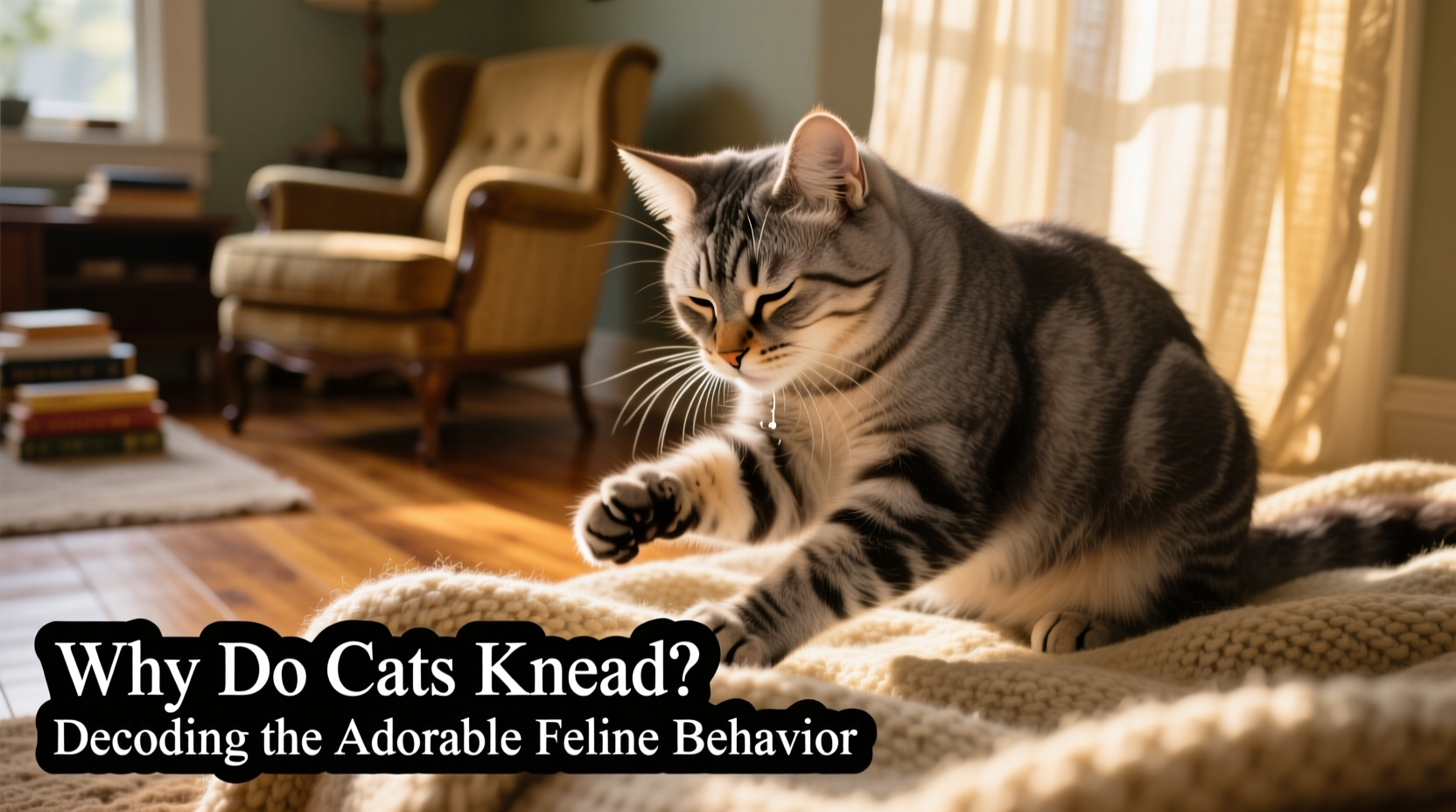
Kneading begins when kittens are just days old. As newborns nurse from their mother, they rhythmically press their tiny paws against her belly. This motion stimulates milk flow by encouraging the mammary glands to release milk more efficiently. It’s a survival mechanism hardwired into their instincts—the more effective the kneading, the better the nourishment.
Over time, this physical action becomes associated with comfort, warmth, and safety. The act of nursing isn’t just about food; it’s one of the first sources of emotional security for a kitten. The combination of warmth, scent, touch, and sustenance creates powerful positive associations that persist into adulthood—even after weaning.
When adult cats knead blankets, laps, or even human arms, they’re often revisiting that primal sense of contentment. The behavior may seem unnecessary now, but emotionally, it still serves as a self-soothing ritual. In stressful situations, some cats will knead to calm themselves, much like a person might rock back and forth or engage in repetitive motions during anxiety.
Tip: If your cat kneads during anxious moments, provide a soft blanket or designated spot where they feel safe—this can reinforce positive coping mechanisms.Emotional Expression and Bonding Through Kneading
One of the most heartwarming aspects of kneading is its role in social bonding. When a cat chooses to knead on *you*, it’s typically a sign of deep trust and affection. Remember, kneading originated during intimate interactions with their mother. By repeating this behavior with their human caregiver, cats are essentially treating you as a trusted parental figure.
This gesture goes beyond mere habit—it’s a form of emotional communication. Cats don’t express love through words, but through actions: purring, grooming, slow blinks, and yes, kneading. Each press of the paw says, “I feel safe here. You are part of my family.”
Interestingly, cats tend to reserve kneading for people or places they associate with comfort. A stray cat or a fearful shelter animal is unlikely to knead unless they’ve formed a strong emotional connection. So if your cat regularly makes biscuits on your lap, consider it high praise.
“Kneading is one of the purest expressions of feline contentment. It’s a throwback to kittenhood, but in adult cats, it signals deep relaxation and attachment.” — Dr. Sarah Thompson, Feline Behavioral Specialist
Scent Marking and Territorial Communication
Beyond emotion and instinct, kneading plays a subtle but important role in how cats mark their territory. Cats have scent glands located in the soft pads of their paws. When they knead, these glands release pheromones—chemical signals that convey information to other cats (and sometimes to themselves).
In the wild, scent marking helps establish boundaries and reduce conflict. In domestic settings, it’s less about defense and more about ownership. When your cat kneads your sweater, your pillow, or your chest, they’re not just showing affection—they’re claiming you as part of their social group. To them, you’re “theirs” in the most loving way possible.
This behavior explains why cats often knead favorite resting spots, even in multi-cat households. The repeated marking reinforces familiarity and reduces stress, especially in environments where resources or space are shared.
How Scent Glands Influence Kneading Habits
| Scent Gland Location | Purpose | Role in Kneading |
|---|---|---|
| Paw Pads | Mark territory with pheromones | Released during each press of the paw |
| Chin and Cheeks | Mark familiar objects/people | Often paired with head-bumping and kneading |
| Forehead | Social bonding signals | Complements full-body marking routines |
Because kneading involves direct contact and repeated pressure, it’s one of the most effective ways for cats to leave their olfactory signature. Unlike urine spraying or scratching—which are overt signs of territoriality—kneading is a gentle, socially acceptable form of marking.
Physical Comfort and Nesting Instincts
Another theory behind kneading ties back to ancestral behaviors. Wild ancestors of domestic cats, such as the African wildcat, would pat down grass, leaves, or soil to create a soft, level sleeping area. This nesting instinct ensured protection from predators and improved comfort.
Even though modern house cats sleep on plush beds or sofas, the urge to “fluff” their sleeping surface remains. Before settling in for a nap, many cats will knead the spot vigorously—as if preparing a nest. This behavior is particularly common in outdoor-access cats or those with stronger hunting instincts.
Additionally, kneading may help regulate body temperature. By compressing fabric or bedding, cats can adjust airflow and insulation. While this effect is minimal indoors, the habit persists as a comforting pre-sleep ritual.
Mini Case Study: Luna, the Anxious Rescue Cat
Luna, a three-year-old domestic shorthair adopted from a rural shelter, displayed significant anxiety upon arrival at her new home. She avoided human contact, hid under furniture, and rarely purred. Her adoptive family worked patiently, using pheromone diffusers, quiet spaces, and consistent feeding routines.
About six weeks after adoption, Luna began sitting near her owner while she read. One evening, as the owner sat on the couch wrapped in a fleece blanket, Luna climbed onto her lap and started kneading slowly. It was the first time she had initiated physical contact voluntarily.
Over the next few weeks, the kneading became more frequent and occurred alongside purring and head-butting. Her veterinarian noted that this behavior signaled a major breakthrough in emotional security. “Kneading in rescue cats often emerges only after trust is firmly established,” said Dr. Elena Ruiz, a shelter medicine expert consulted during Luna’s care.
Today, Luna kneads daily—on laps, beds, and even her favorite stuffed toy. Her story illustrates how kneading isn’t just a quirk; it’s a measurable indicator of psychological well-being.
Practical Tips for Living With a Kneading Cat
While kneading is generally harmless, it can sometimes lead to discomfort—especially if your cat extends their claws. Some cats scratch inadvertently, damaging clothing or skin. Others become so engrossed in the motion that they drool or suckle on fabric, which, while normal, may require management.
Tip: Trim your cat’s claws regularly to minimize accidental scratches during kneading sessions.Checklist: Managing Kneading Comfortably
- Keep your cat’s nails trimmed every 2–3 weeks.
- Place a thick blanket or cushion between your lap and the cat’s paws.
- Encourage use of a designated “kneading blanket” with familiar scents.
- Avoid punishing or startling the cat during kneading—it’s a calming behavior.
- Use positive reinforcement when they knead appropriate surfaces.
- Consider soft claw caps if scratching becomes problematic.
Never discourage kneading outright unless it causes harm. Doing so could damage trust or increase anxiety. Instead, redirect gently. For example, if your cat starts kneading on an expensive leather couch, offer a nearby cat bed or wool blanket as an alternative.
Frequently Asked Questions About Cat Kneading
Is kneading a sign that my cat wants food?
Not usually. While some cats develop habits that blend behaviors—like meowing while kneading—the act itself is more closely tied to comfort than hunger. If your cat consistently kneads before meals, it may have learned to associate the behavior with attention, but the root motivation remains emotional, not nutritional.
Why does my cat drool when kneading?
Drooling during kneading is common and typically harmless. It’s often linked to extreme relaxation and nostalgia for nursing. Many cats who were bottle-fed or weaned early exhibit this trait more prominently. As long as there are no signs of illness (such as lethargy or loss of appetite), drooling is considered a benign quirk.
Do all cats knead, or is it breed-specific?
Most cats knead at some point in their lives, regardless of breed. However, frequency and intensity vary widely based on personality, early experiences, and environment. Some cats stop kneading as adults; others continue throughout life. Siamese, Ragdolls, and Maine Coons are often reported by owners to be enthusiastic kneaders, but no scientific evidence suggests breed determines likelihood.
Understanding Your Cat One Paw Press at a Time
Kneading is far more than a cute habit—it’s a window into your cat’s inner world. Whether driven by instinct, emotion, or territorial instinct, this behavior connects past and present, survival and affection. It reflects a complex blend of biological programming and individual experience.
By recognizing what kneading means, you gain deeper insight into your cat’s needs and feelings. You learn to distinguish contentment from stress, attachment from habit. And perhaps most importantly, you honor a bond that transcends language—one built on warmth, rhythm, and trust.
So the next time your cat climbs onto your lap and begins making biscuits, take a moment to appreciate the layers of meaning in those gentle paw presses. You’re not just being used as a footrest—you’re being embraced as family.
💬 Does your cat knead? Share your story in the comments—what surfaces do they prefer, and what does it mean to you?








