
Cats are creatures of habit, guided by instincts refined over thousands of years of evolution. Among their most endearing behaviors is kneading—rhythmically pressing their paws in and out against soft surfaces, often accompanied by purring and half-closed eyes. This motion, reminiscent of a baker working dough, is commonly observed in adult cats despite its origins in infancy. While it may seem purely affectionate or random, feline kneading is deeply rooted in survival, comfort, and communication. Understanding why cats knead like kittens reveals not only insights into their psychological makeup but also strengthens the bond between cats and their human companions.
The Kittenhood Origins of Kneading
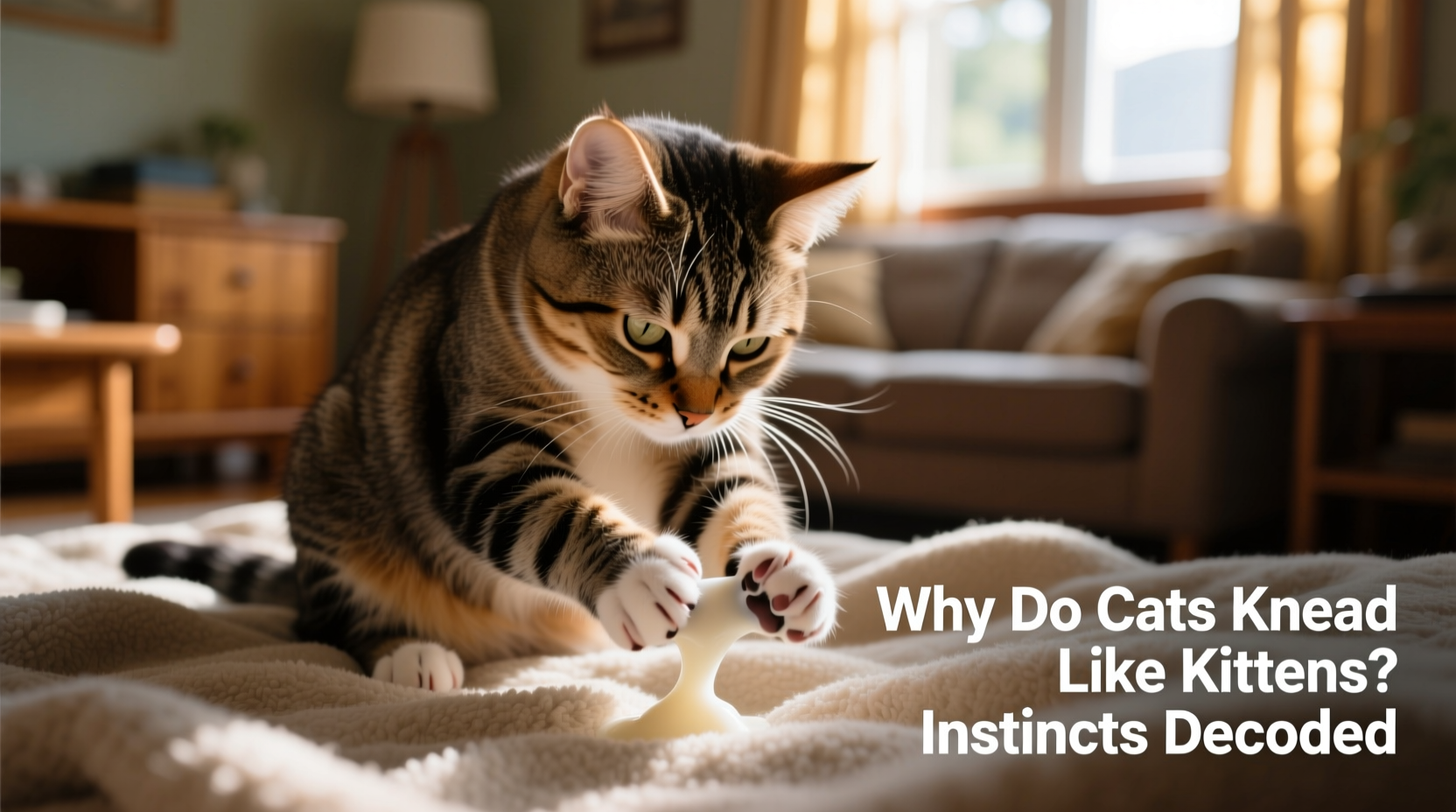
Kneading begins in the earliest days of a cat’s life. Newborn kittens are blind and entirely dependent on their mother for nourishment. To stimulate milk flow from the mammary glands, they instinctively push their tiny paws against her belly. This rhythmic motion triggers the release of oxytocin, encouraging milk let-down. It’s a vital survival mechanism: the more effectively a kitten kneads, the better its chances of receiving adequate nutrition.
This early association between kneading and comfort becomes hardwired into a cat’s nervous system. Even after weaning, the act remains linked with warmth, security, and sustenance. When adult cats knead blankets, laps, or furniture, they’re not attempting to nurse—they’re reliving a primal sensation of safety and contentment.
“Kneading is one of the clearest examples of neoteny in domestic cats—the retention of juvenile behaviors into adulthood due to selective breeding and close human bonding.” — Dr. Sarah Thompson, Feline EthologistTip: If your cat kneads during petting, respond gently with slow strokes. Avoid sudden movements that might disrupt their sense of calm.
Emotional Regulation and Stress Relief
Beyond nostalgia, kneading serves as a self-soothing mechanism for adult cats. Like humans who rock or fidget when anxious, cats use tactile repetition to manage stress. The physical sensation of pushing and releasing mimics breathing rhythms, helping regulate their nervous system. You may notice increased kneading during transitions—such as moving homes, introducing new pets, or changes in routine.
In multi-cat households, subordinate animals often knead more frequently than dominant ones, suggesting a behavioral coping strategy. Similarly, rescued or formerly feral cats may exhibit intense kneading when settling into a safe environment, signaling trust and emotional recalibration.
The connection between kneading and relaxation is further supported by neurochemical evidence. Studies show that repetitive motor patterns trigger dopamine release in the brain, reinforcing pleasurable states. For cats, the combination of muscle memory, tactile feedback, and social context makes kneading a natural mood stabilizer.
Communication Through Scent: Territory and Bonding
Cats possess scent glands in the pads of their paws, which secrete pheromones invisible to humans but highly meaningful to other animals. Each time a cat kneads, they deposit these chemical signals onto the surface—marking it as familiar and secure. This behavior is a form of passive territorial claiming, subtly informing other cats (or even household dogs) that the area belongs to them.
In homes with multiple pets, shared kneading spots—like a favorite armchair or sunlit rug—become communal zones where scents intermingle, promoting group cohesion. Interestingly, cats often choose to knead on items bearing their owner’s scent, such as clothing or bedding. By layering their own pheromones over human smells, they create a blended olfactory identity, reinforcing social bonds.
| Paw Gland Type | Scent Function | Behavioral Purpose |
|---|---|---|
| Interdigital glands | Mark ownership | Claim territory, reduce anxiety |
| Sebaceous glands | Maintain skin moisture | Secondary scent trail |
| Eccrine glands | Minor sweat release | Limited role in marking |
This dual function—emotional regulation and chemical communication—makes kneading a sophisticated tool in the feline behavioral repertoire. It’s not merely a reflex; it’s an intentional act of environmental shaping.
Common Triggers and Contextual Patterns
While kneading can occur spontaneously, certain stimuli increase its likelihood:
- Soft textures: Blankets, plush toys, and lap fabrics mimic the feel of a mother’s fur.
- Warmth: Heated surfaces, including radiators or sunbeams, activate nesting instincts.
- Positive interaction: Petting, grooming, or verbal praise often precede kneading episodes.
- Familiar scents: Items carrying the owner’s odor encourage marking and comfort-seeking.
A 2022 observational study conducted by the International Society of Feline Behavior tracked 147 indoor cats over six months. Results showed that 83% engaged in kneading at least once daily, primarily between 5–7 PM—a period coinciding with peak human interaction. Only 12% displayed no kneading behavior, all of whom had been separated from their mothers before four weeks of age, supporting the theory that early maternal contact shapes later expression of this trait.
Mini Case Study: Luna, the Rescue Cat
Luna, a three-year-old domestic shorthair, was rescued from an abandoned warehouse where she lived with her two kittens. Initially withdrawn and fearful, she resisted handling and avoided soft furnishings. Over eight weeks of consistent care, her foster family introduced her to textured blankets and spent time sitting near her with gentle conversation.
The first sign of progress came when Luna began pawing at a woolen throw draped over a sofa. At first tentative, the motion grew rhythmic within days. Soon, she would climb onto her foster parent’s lap and knead steadily while purring. This shift correlated with reduced hiding behavior and increased vocalization. Her caregivers interpreted the kneading as a breakthrough in trust-building—an unconscious return to the safety she once knew as a nursing kitten.
Today, Luna lives in a permanent home where she kneads every evening before sleep. Her owners recognize it as both a personal ritual and a gesture of attachment.
Managing Kneading: Practical Tips for Cat Owners
While kneading is generally harmless, it can lead to discomfort if claws are involved. Some cats also target delicate fabrics, causing wear over time. The goal isn’t to eliminate the behavior—which would be stressful for the cat—but to guide it appropriately.
Tip: Place a thick, washable blanket over your lap during cuddle sessions to protect skin and clothing while allowing your cat to express natural behaviors.Step-by-Step Guide to Redirecting Kneading
- Observe patterns: Note when and where your cat typically kneads (e.g., after meals, during petting).
- Introduce alternatives: Offer a designated “kneading pad”—a small fleece mat or cushion placed in a favored spot.
- Encourage use: Rub the item with your hands to transfer your scent, then gently place your cat on it during pre-kneading moments.
- Reinforce positively: Reward engagement with treats or affection, never punishment.
- Maintain consistency: Repeat daily until the new surface becomes the preferred choice.
Additionally, regular nail trims or soft claw caps can minimize damage without interfering with the cat’s ability to perform the motion. Avoid declawing under any circumstances—it causes chronic pain and severely impairs natural behavior.
Checklist: Supporting Healthy Kneading Behavior
- ✅ Provide soft, washable surfaces for kneading
- ✅ Trim claws every 2–3 weeks
- ✅ Respect your cat’s rhythm—don’t interrupt mid-knead
- ✅ Monitor for signs of over-grooming or obsessive repetition
- ✅ Use pheromone diffusers (e.g., Feliway) if anxiety is suspected
Frequently Asked Questions
Is kneading a sign of dominance?
No. Unlike rubbing cheeks or tail-up greetings, kneading is not a hierarchical display. It’s primarily an affiliative and self-soothing behavior. Cats knead people and objects they trust, not those they seek to control.
Why does my cat drool while kneading?
Drooling during kneading is common and usually benign. It reflects deep relaxation and a strong emotional flashback to kittenhood, when sucking accompanied the action. As long as there are no dental issues or foul odors, this is a normal variant of the behavior.
Should I stop my cat from kneading on me?
Only if it causes pain or injury. Otherwise, discouraging the behavior may increase stress. Instead, manage it with protective layers or redirection. Suppressing instinctive actions can erode trust over time.
Conclusion: Embracing the Instinct
Kneading is far more than a quirky habit—it’s a window into the feline psyche. Rooted in survival, shaped by emotion, and expressed through scent and touch, this behavior connects cats to their past while anchoring them in present relationships. For owners, recognizing its significance transforms a simple paw press into a profound act of communication.
By honoring this instinct rather than suppressing it, we affirm our cats’ needs for safety, expression, and belonging. Whether your cat kneads nightly on your chest or quietly works a corner of the couch, remember: each push of the paw says, “I am safe here. This is home.”
💬 Does your cat knead in surprising ways? Share your story in the comments—your experience could help others understand their feline friends better.








