Cats are creatures of habit, ritual, and subtle emotional expression. Among their most endearing behaviors is kneading—rhythmic pushing of their paws against soft surfaces, often accompanied by purring and half-closed eyes. While this motion originates in kittenhood during nursing, many adult cats continue the practice well into maturity. At first glance, it may seem odd or even inconvenient—especially when claws dig into your lap—but this behavior carries deep psychological and physiological significance. Understanding why cats knead as adults reveals a window into their emotional world: one shaped by comfort, security, and attachment.
Kneading isn’t random. It’s a deeply ingrained action that connects adult cats to feelings of warmth, nourishment, and maternal care. Even without their mother nearby, the act triggers memories and sensations tied to early life safety. More than just muscle memory, kneading serves multiple purposes throughout a cat’s life—from marking territory to self-soothing under stress. This article explores the science, psychology, and emotional resonance behind feline kneading, offering insight into what your cat may be communicating every time they “make biscuits” on your blanket or leg.
The Origins of Kneading: A Survival Instinct
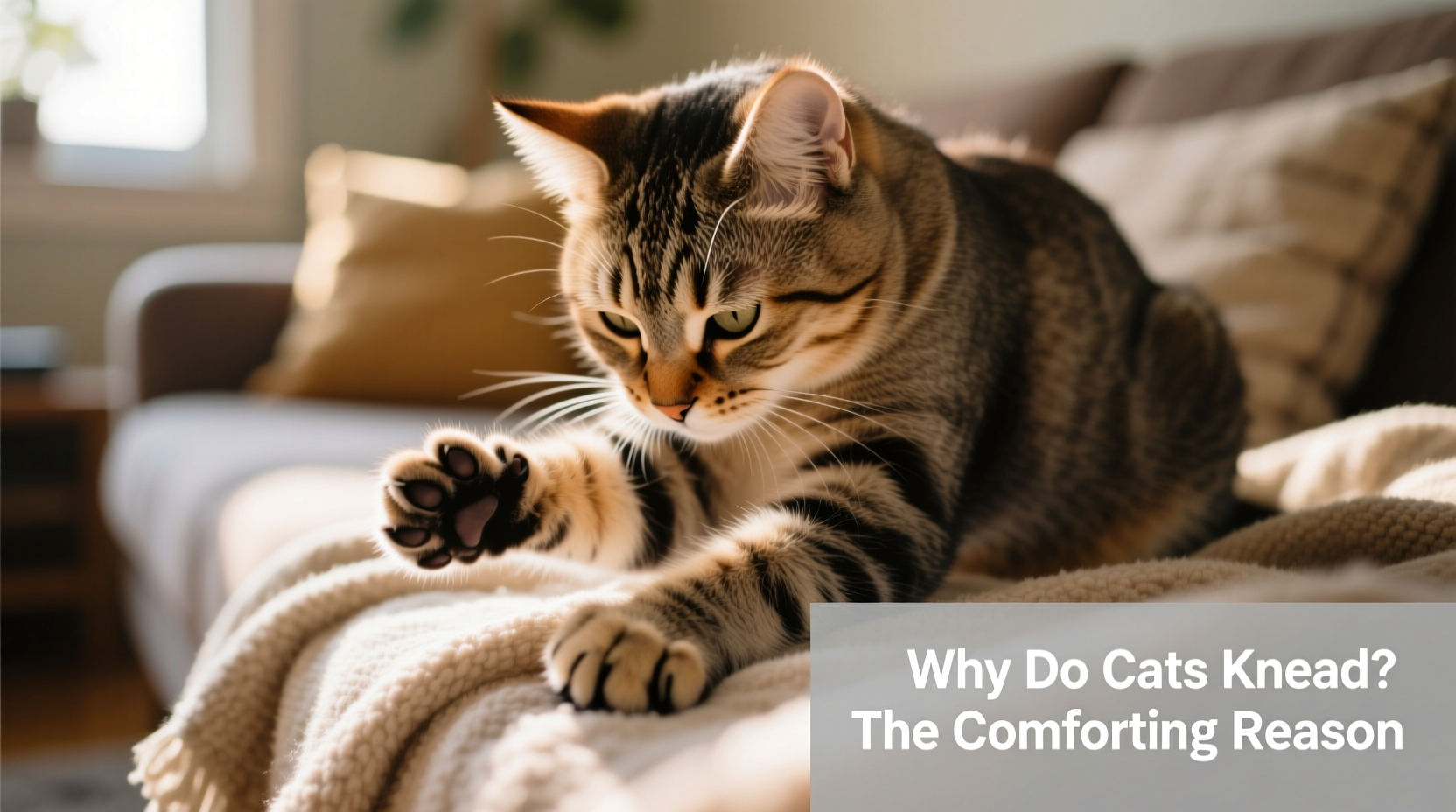
In kittens, kneading begins within days of birth. As newborns nurse, they rhythmically press their tiny paws against their mother’s mammary glands. This motion stimulates milk flow, ensuring adequate feeding. The behavior is both functional and comforting—the physical contact reinforces the bond between mother and offspring while satisfying a biological need.
Because this experience is consistently paired with warmth, food, and protection, the brain associates kneading with profound safety and satisfaction. Over time, the act becomes emotionally charged, not just mechanical. Even after weaning, the neural pathways activated during those early nursing sessions remain active. When an adult cat kneads, it's not merely repeating a movement—it's reliving a sensation of unconditional care.
“Kneading is one of the clearest examples of positive behavioral carryover from infancy in animals. It reflects an emotional anchor to early nurturing experiences.” — Dr. Sarah Thompson, Feline Behavior Specialist
This emotional imprint explains why cats often knead when they feel relaxed or happy. The gesture transcends utility; it becomes a form of emotional regulation. Just as humans might rock, hum, or hug a pillow for comfort, cats return to this instinctive motion when seeking reassurance.
Why Adult Cats Continue Kneading: Five Key Reasons
While rooted in kittenhood, kneading persists in adulthood due to a combination of instinct, emotion, and environmental cues. Below are the primary reasons why fully grown cats still engage in this behavior.
1. Emotional Comfort and Contentment
Most commonly, adult cats knead when they’re feeling safe and content. Whether lounging in sunbeams or nestled beside their favorite human, the act signals deep relaxation. The repetitive motion mimics the soothing rhythm of early life, helping the cat maintain a calm state. Owners often observe kneading alongside purring, slow blinking, and head-bumping—behaviors collectively known as “affiliative actions,” indicating trust and affection.
2. Scent Marking Through Pheromones
Cats have scent glands in the soft pads of their paws. Each time they knead, they deposit pheromones onto the surface. These chemical signals mark the area—or person—as familiar and secure. In essence, your cat isn’t just enjoying your lap—they’re claiming you as part of their trusted inner circle. This territorial marking is subtle and non-aggressive, serving more as a calming ritual than dominance display.
Tip: If your cat frequently kneads you, consider it a compliment—they associate you with safety and belonging.3. Nesting and Preparation for Rest
In the wild, felines would pat down grass, leaves, or soil to create a comfortable resting spot. Domestic cats retain this nesting instinct. Before lying down, some will knead blankets, pillows, or furniture to “fluff” the surface. Though modern couches don’t require flattening, the behavior persists as a preparatory ritual, signaling the transition into rest mode.
4. Stress Relief and Self-Soothing
Just as people use fidget tools or repetitive motions to manage anxiety, cats use kneading to regulate their emotions. During periods of change—such as moving homes, introducing new pets, or loud noises—cats may increase kneading frequency. The rhythmic pressure provides tactile feedback that calms the nervous system, grounding them amid uncertainty.
5. Residual Nursing Associations
Cats who were weaned early or bottle-fed sometimes exhibit more intense or frequent kneading. Without prolonged exposure to natural nursing rhythms, these cats may develop a heightened need to recreate the sensation. Some may even suckle on fabric, hands, or ears while kneading—a behavior known as “wool-sucking,” which indicates a strong emotional link to infantile comfort.
Do All Cats Knead? Understanding Individual Differences
Not every cat kneads, and that’s normal. The tendency varies based on personality, early life experiences, and breed predispositions. For example, many Siamese, Ragdolls, and Maine Coons are known for enthusiastic kneading, while more aloof breeds like Russian Blues may rarely display the behavior.
Early socialization plays a crucial role. Kittens raised with their mother for at least eight weeks typically develop stronger affiliative behaviors, including kneading. Those separated too early may miss key developmental milestones, leading to reduced expression of nurturing-related actions. However, late-onset kneading can emerge in previously non-kneading cats when they form strong bonds with caregivers later in life.
When Kneading Might Signal a Problem
While generally harmless, excessive or sudden changes in kneading behavior warrant attention. Signs to monitor include:
- Kneading accompanied by vocalization or agitation
- Obsessive repetition lasting over 10 minutes without pause
- Self-injury from clawing or biting during episodes
- New onset in senior cats, which could indicate cognitive dysfunction
If any of these occur, consult a veterinarian to rule out medical causes such as hyperthyroidism, neurological issues, or chronic pain.
Managing Kneading: A Practical Guide for Cat Owners
For most owners, kneading is a cherished sign of affection. But sharp claws or persistent pressure can become uncomfortable. Rather than discouraging the behavior entirely—which may cause emotional distress—use humane strategies to make it safer and more enjoyable for both parties.
Step-by-Step: How to Make Kneading Comfortable
- Trim Claws Regularly: Keep nails blunt enough to prevent scratches without affecting mobility.
- Use Protective Barriers: Place a thick blanket or cushion over your lap when expecting kneading sessions.
- Redirect When Necessary: Gently move your cat to a designated kneading zone (like a plush bed) if discomfort arises.
- Encourage Paw Conditioning: Massage your cat’s paws daily to desensitize them and reduce gripping intensity.
- Provide Alternatives: Offer soft, washable mats infused with catnip or your scent to satisfy kneading urges.
| Scenario | Recommended Action | Avoid |
|---|---|---|
| Cat kneads with sharp claws | Trim nails weekly; use padded throws | Punishing or pushing away abruptly |
| Cat kneads obsessively | Check for stressors; consult vet | Ignoring sudden behavioral shifts |
| Cat kneads only certain people | Respect boundaries; build trust gradually | Forcing interaction |
| Cat sucks fabric while kneading | Offer safe chew toys; clean fabrics regularly | Using bitter sprays unless advised |
Mini Case Study: Luna, the Anxious Rescue Cat
Luna, a three-year-old domestic shorthair, was adopted after living in a crowded shelter for six months. Initially withdrawn, she began kneading her owner’s arm within two weeks of arriving home. At first, the sessions lasted only seconds. But as her confidence grew, so did the duration—sometimes exceeding five minutes, complete with gentle purring and closed eyes.
Her owner noticed that kneading spiked after noisy events, like thunderstorms or doorbell rings. By observing patterns, they realized Luna used the behavior to self-regulate. They introduced a heated cat bed scented with lavender (a mild relaxant for cats) and placed it near her favorite window. Over time, Luna began choosing the bed over laps during high-stress moments, but still sought human contact for evening kneading rituals.
This case illustrates how kneading functions not just as comfort-seeking, but as an adaptive coping mechanism. With patience and environmental support, the behavior evolved into a healthy emotional outlet.
Frequently Asked Questions About Cat Kneading
Is kneading a sign of affection?
Yes, in most cases. Kneading directed toward humans usually indicates trust and emotional attachment. Combined with purring or head-rubbing, it’s one of the highest forms of feline approval.
Why does my cat drool when kneading?
Drooling during kneading is common and typically benign. It stems from the same neural circuits activated during nursing, when saliva production increased to aid digestion. In adulthood, the reflex resurfaces during moments of extreme relaxation, much like a human sighing in sleep.
Should I stop my cat from kneading?
No—not unless it causes harm. Discouraging kneading can damage the emotional bond and deprive your cat of a valuable self-soothing tool. Instead, manage it humanely through nail care and protective layers.
Conclusion: Embracing the Biscuit-Making Ritual
Kneading is far more than a quirky habit. It’s a living echo of kittenhood, woven into the emotional fabric of adult cats. Every push of the paw carries the weight of early comfort, bonding, and survival. When your cat climbs onto your lap and begins the rhythmic press-and-release, they aren’t just making biscuits—they’re reaffirming trust, marking you as family, and returning to a primal sense of peace.
Understanding this behavior transforms potential annoyance into appreciation. What might feel like an invasion of personal space is, in truth, one of the purest expressions of feline love. By responding with patience and care, you strengthen the mutual bond and honor the complex emotional life of your companion.
💬 Does your cat knead? Share your story or tips in the comments below—let’s celebrate the quiet ways our cats say “I love you.”








