
Cat owners often witness a peculiar yet endearing behavior: their adult cats rhythmically pressing their paws into soft surfaces, much like kittens nursing on their mother’s belly. This motion, known as “kneading,” is widespread among domestic felines and can occur on laps, blankets, pillows, or even human arms. While it may seem random or purely affectionate, kneading has deep biological roots and serves multiple purposes. However, numerous myths have grown around this behavior, leading to misunderstandings about what it truly means. This article explores the science behind cat kneading, debunks popular misconceptions, and provides practical insights for cat caregivers.
The Biological Roots of Kneading
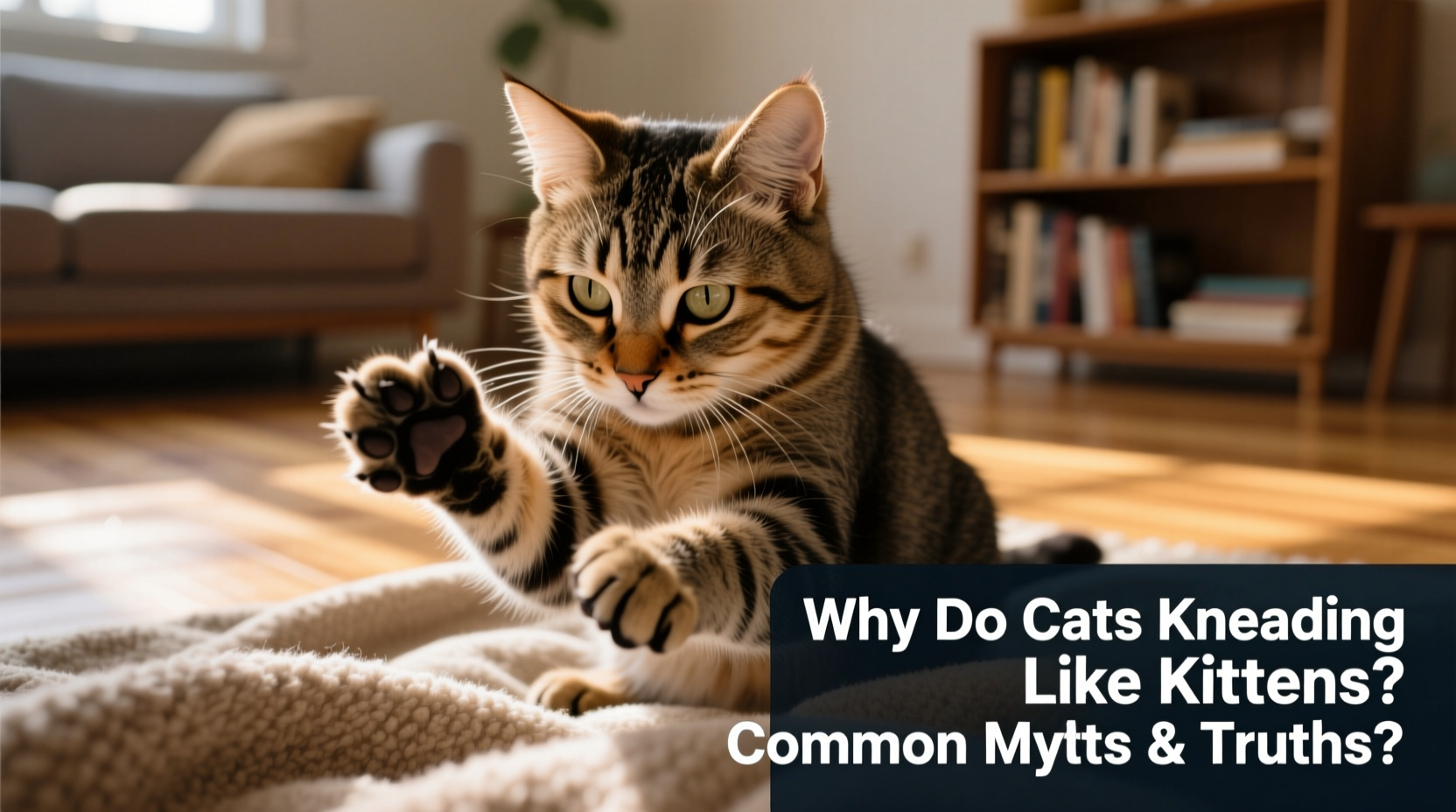
Kneading begins in kittenhood. Newborn kittens instinctively press their paws against their mother’s mammary glands to stimulate milk flow during nursing. This action is essential for survival and becomes strongly associated with comfort, nourishment, and warmth. Even after weaning, many cats retain this behavior into adulthood, though its function evolves beyond feeding.
From an evolutionary standpoint, kneading likely served additional purposes in wild ancestors. Pressing down on foliage or bedding could help flatten sleeping areas, check for hidden threats, or mark territory using scent glands located in the paw pads. These instincts persist in domestic cats despite living in safe, indoor environments.
“Kneading is a hardwired behavior rooted in early survival mechanisms. It’s not learned—it’s innate.” — Dr. Lydia Ryan, Feline Behavior Researcher, University of Edinburgh
The persistence of kneading into adulthood suggests it plays an emotional and physiological role. When cats knead, they often purr, half-close their eyes, or appear deeply relaxed—indications that the act triggers feelings of security and contentment.
Common Myths About Cat Kneading (and the Truths Behind Them)
Despite how common kneading is, several myths continue to circulate among pet owners and online communities. Understanding the facts helps foster better human-cat relationships and prevents unnecessary concern.
Myth 1: Cats Knead Only Because They Were Weaned Too Early
Truth: There's no scientific evidence linking early weaning to increased kneading. Many cats who stayed with their mothers for a full eight weeks still exhibit strong kneading behaviors. The behavior is normal across all weaning timelines and isn’t a sign of psychological distress.
Myth 2: Kneading Means the Cat Thinks You’re Their Mother
Truth: While kneading originates in kitten-mother bonding, adult cats don’t confuse humans with their biological mothers. Instead, they associate people with safety and care. Kneading on a human lap signals trust and emotional comfort—not mistaken identity.
Myth 3: Only Female Cats Knead, Especially if Unspayed
Truth: Both male and female cats knead regardless of reproductive status. Although unspayed females may increase kneading before going into heat due to hormonal fluctuations, the behavior itself is not gender-specific or hormonally dependent in most cases.
Myth 4: Kneading Is Always a Sign of Happiness
Truth: While often linked to positive emotions, kneading can also occur during stress or anxiety as a self-soothing mechanism. A cat might knead more intensely when adjusting to a new home or after a disruption in routine. Context matters when interpreting the behavior.
Tip: Observe your cat’s overall body language—relaxed ears, slow blinks, and purring confirm positive intent. Flattened ears or tail flicking suggest discomfort.What Kneading Communicates: Emotional and Physical Functions
Beyond instinct, kneading serves several communicative and functional roles in adult cats.
- Emotional Regulation: Repetitive motions like kneading can reduce stress and induce calmness, similar to how humans might rock or fidget when anxious.
- Scent Marking: Cats have scent glands between their paw pads. Each press releases pheromones, marking the surface (or person) as familiar and safe.
- Nesting Behavior: In the wild, cats prepare resting spots by tamping down grass or leaves. Indoor cats transfer this to blankets or furniture.
- Muscle Stretching: The motion engages shoulder and forelimb muscles, providing gentle exercise, especially after naps.
Interestingly, some cats begin drooling while kneading—a phenomenon often called “making biscuits” with “milk teeth.” This reflexive salivation likely stems from the original nursing context, where sucking triggered saliva production. Though harmless, it underscores how deeply tied kneading is to early life experiences.
When Kneading Becomes a Problem: Pain, Claws, and Boundaries
While generally benign, kneading can sometimes lead to issues—especially when claws are involved. Sharp nails digging into skin can be painful and may cause minor injuries over time. Additionally, excessive or compulsive kneading could indicate underlying medical or behavioral concerns.
| Situation | Is It Normal? | Action to Take |
|---|---|---|
| Kneading on soft blanket with claws sheathed | Yes – typical behavior | Allow it; provide cozy surfaces |
| Kneading with extended claws on human leg | Common but uncomfortable | Trim claws; place a thick blanket barrier |
| Obsessive kneading lasting hours daily | Potentially abnormal | Consult vet for anxiety or pain evaluation |
| Kneading accompanied by vocalization or restlessness | May signal distress | Rule out medical causes like hyperthyroidism |
“In geriatric cats, sudden increases in kneading frequency should prompt a veterinary visit. It could be a response to discomfort or cognitive changes.” — Dr. Alan Tran, Veterinary Neurologist
Mini Case Study: Managing Kneading in a Multi-Cat Household
Sarah adopted two rescue cats—Miso and Nori—who both exhibited intense kneading behavior. Miso, a three-year-old tabby, would knead Sarah’s arm nightly, often drawing blood with her sharp claws. Worried about infection and discomfort, Sarah tried discouraging the behavior with sprays and reprimands, which only made Miso anxious.
After consulting a feline behaviorist, Sarah changed her approach. She began trimming Miso’s claws weekly and placed a padded fleece blanket on her lap during evening cuddles. She also introduced a heated cat bed nearby, giving Miso an alternative kneading surface. Within three weeks, Miso shifted her preference to the blanket and bed, reducing direct contact with Sarah’s skin. The key was redirection, not punishment.
How to Respond to Kneading: A Step-by-Step Guide
If your cat kneads frequently, use these steps to manage the behavior humanely while preserving your bond.
- Assess the Context: Is your cat relaxed or stressed? Check for signs of anxiety such as dilated pupils or rapid breathing.
- Protect Your Skin: Keep a thick throw or quilt handy when sitting with your cat. Natural fibers like cotton or wool are ideal for claw grip without damage.
- Trim Claws Regularly: Use pet-safe clippers every 10–14 days, avoiding the pink quick inside the nail.
- Provide Alternatives: Offer plush toys, padded mats, or cat beds filled with soft material to encourage kneading off your body.
- Use Positive Reinforcement: Reward your cat with treats or praise when they knead acceptable surfaces.
- Avoid Negative Reactions: Yelling, pushing, or spraying water can erode trust. Redirect instead of punishing.
- Monitor for Changes: Sudden shifts in frequency, intensity, or location of kneading warrant a vet consultation.
Frequently Asked Questions
Why does my cat knead and then bite the blanket?
This combination—kneading followed by gentle biting or licking—is often part of nesting or self-soothing. Some cats mimic nursing behaviors more fully, including sucking or chewing fabric. If the chewing becomes destructive or involves ingestion (pica), consult a veterinarian.
Can I stop my cat from kneading altogether?
Not realistically—and it’s not recommended. Kneading is a natural, emotionally beneficial behavior. Rather than eliminating it, focus on managing its impact through environmental adjustments and grooming.
Do all cats knead, or is it breed-specific?
Most cats knead at some point, though frequency varies widely. It’s not strongly linked to breed but may be influenced by individual temperament, early life experience, and level of socialization. Some cats never develop the habit, which is also normal.
Final Thoughts: Embracing the Quirks of Cat Behavior
Kneading is one of the most iconic and touching expressions of feline affection and instinct. Far from being a meaningless habit, it connects adult cats to their earliest memories of warmth, nourishment, and safety. By understanding the biological and emotional drivers behind kneading, cat owners can respond with empathy rather than frustration.
Instead of viewing kneading as a nuisance, consider it a compliment—a sign that your cat feels secure enough to revert to kitten-like vulnerability in your presence. With thoughtful management, you can protect yourself from sharp claws while honoring your pet’s natural instincts.
💬 Have a story about your cat’s kneading habits? Share your experience in the comments below—your insight might help another cat owner feel less alone!








