Birdsong is one of nature’s most comforting sounds—familiar, rhythmic, and often tied to the rhythm of our own days. But if you’ve ever paused on your morning walk or sat quietly in your garden only to notice an abrupt silence where birdsong once filled the air, you might have wondered: why do birds suddenly stop chirping? Is it normal? Should you be concerned?
The short answer is that sudden silences in bird vocalizations are usually natural and reflect changes in behavior, environment, or time of day. However, in some cases, extended or unusual quietness can signal broader ecological issues. Understanding the reasons behind these patterns helps distinguish between typical bird behavior and potential warning signs.
Understanding Bird Vocalization Patterns
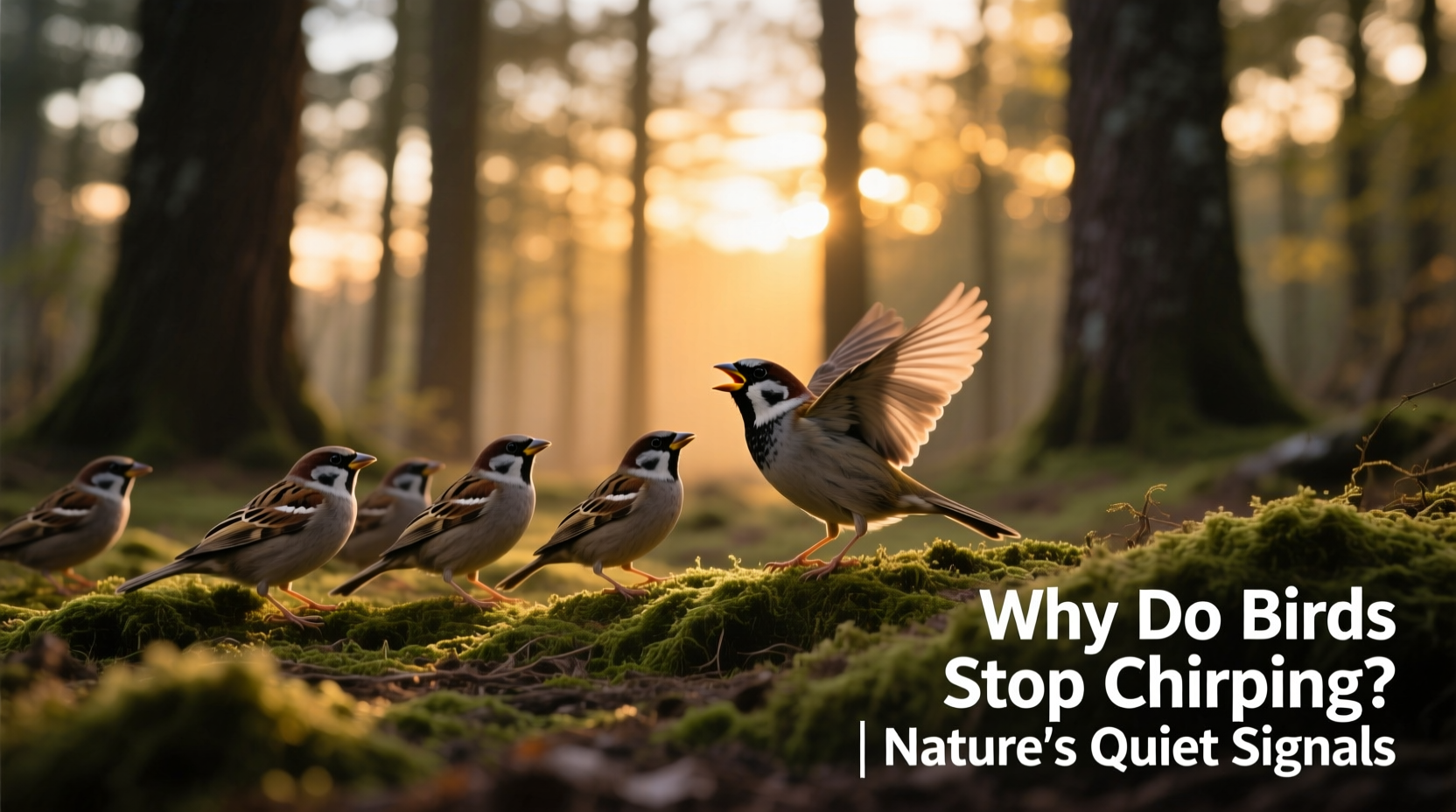
Birds don’t sing randomly. Their vocalizations serve specific purposes—territory defense, mate attraction, communication with offspring, and alarm signaling. These behaviors follow predictable daily rhythms influenced by light, temperature, predation risk, and breeding cycles.
The dawn chorus—the peak period of bird singing just before and after sunrise—is perhaps the most well-known example of structured vocal activity. During this time, songbirds such as robins, sparrows, and thrushes are especially active. As daylight increases, so does competition for attention, making early morning the optimal time for males to broadcast their fitness to rivals and potential mates.
By mid-morning, many species reduce their singing. This lull isn't due to fatigue but rather strategic energy conservation. Singing is metabolically costly, and once territories are established and mates secured, there’s less need for constant vocal performance.
Tip: The best time to observe diverse bird vocalizations is during the first hour after sunrise, when insect activity and light levels create ideal conditions for communication.Natural Causes Behind Sudden Silence
Silence among birds throughout the day is not inherently alarming. Several biological and environmental factors naturally lead to reduced or halted chirping:
- Time of Day: After the dawn chorus, most songbirds shift focus from singing to foraging. Midday heat in warmer climates further suppresses activity, leading to quieter periods.
- Weather Changes: Birds often fall silent before storms. Falling barometric pressure, wind, and impending rain make flight and sound transmission difficult, prompting them to conserve energy.
- Predator Presence: The appearance of hawks, cats, or other predators triggers immediate silence. Many species emit alarm calls briefly, then go quiet to avoid detection.
- Nesting and Brooding: Parent birds may minimize vocalizations near nests to avoid drawing attention from predators.
- Molting Season: During late summer, birds replace feathers and become more secretive and less vocal while they’re temporarily less agile in flight.
“Birds are exquisitely attuned to their environment. A sudden drop in song often reflects acute awareness of danger or shifting priorities—not distress.” — Dr. Lena Pruitt, Ornithologist, Cornell Lab of Ornithology
Environmental and Human-Caused Factors
While natural causes explain most instances of silence, human activity and environmental disruptions can also play a role. Urbanization, noise pollution, habitat loss, and chemical exposure all impact bird behavior—including vocalization.
In cities, ambient noise from traffic and construction can mask bird calls, causing some species to alter their singing times (e.g., singing earlier in the morning) or even changing pitch to be heard over low-frequency urban rumble. In extreme cases, chronic noise stress reduces overall singing frequency.
Light pollution disrupts circadian rhythms. Artificial lighting can cause birds to sing at unnatural hours, which may result in apparent “gaps” during expected active periods. Similarly, pesticide use—especially neonicotinoids—has been linked to neurological impairment in birds, potentially affecting their ability or desire to sing.
A 2023 study published in *Science* found that areas with high pesticide runoff saw up to a 30% reduction in dawn chorus complexity over five years, suggesting long-term degradation in avian community health.
When Silence May Signal Trouble
Occasional quiet spells are normal. But prolonged absence of bird activity—especially across multiple species—can indicate deeper problems:
- Recent pesticide spraying in the area
- Loss of food sources (e.g., insect die-offs, lack of berries)
- Habitat destruction (tree removal, wetland drainage)
- Disease outbreaks (e.g., West Nile virus, avian flu)
- Severe weather events (heatwaves, unseasonal frosts)
If your neighborhood used to teem with birds but now feels eerily silent—even during dawn and dusk—it may be worth investigating local environmental changes.
Real-World Example: The Suburban Backyard Shift
In suburban Maryland, homeowner Diane K. noticed her backyard, once alive with cardinals, chickadees, and catbirds, had gone nearly silent over two summers. She documented daily observations and compared them with previous years’ notes. What she discovered was telling: a landscaping company hired by a neighbor had applied a broad-spectrum insecticide to treat grubs. Within weeks, bird visits dropped by 70%, and vocalizations ceased almost entirely during daylight hours.
After contacting a local wildlife group, she learned that the chemical not only killed insects but lingered in soil and plants, indirectly poisoning insect-eating birds. Once the treatment stopped and native plants were reintroduced, bird activity slowly returned over the next breeding season.
This case illustrates how localized human actions can have cascading effects on bird behavior—and how silence can be an early warning sign.
How to Assess Bird Activity in Your Area
You don’t need to be a scientist to monitor local bird populations. Simple observation over time can reveal meaningful trends. Here’s a practical step-by-step guide to evaluating whether bird silence is cause for concern:
- Establish a baseline: Spend 10–15 minutes each morning for a week noting which species you see and hear. Use a notebook or birding app like eBird.
- Track timing: Record when birds start and stop singing. Note any gaps in expected vocal periods.
- Observe behavior: Are birds feeding, flying normally, and interacting? Or do they appear lethargic, disoriented, or absent?
- Check environmental changes: Has there been recent construction, tree trimming, pesticide use, or new outdoor lighting?
- Compare seasonally: Some quietness in late summer is normal due to molting. True concern arises when silence persists into spring or early fall.
- Report anomalies: If you suspect disease or mass die-off, contact your state wildlife agency or organizations like Audubon Society.
| Cause | Typical Duration | Is It Normal? | Action Needed? |
|---|---|---|---|
| Midday lull / heat avoidance | 1–3 hours (peak afternoon) | Yes | No |
| Approaching storm | 30 min – 2 hours | Yes | No |
| Predator nearby (hawk, cat) | 5–20 minutes | Yes | No (but may deter cats) |
| Molting season | 4–6 weeks (late summer) | Yes | No |
| Recent pesticide application | Days to weeks | No | Yes – investigate source |
| Avian illness outbreak | Weeks to months | No | Yes – report to authorities |
| Habitat destruction | Ongoing | No | Yes – advocate for restoration |
Practical Tips to Support Local Bird Populations
If you're concerned about declining bird activity—or simply want to foster a healthier environment—there are proactive steps you can take:
Tip: Plant native trees and shrubs like serviceberry, dogwood, and goldenrod to provide natural food and shelter without needing chemical maintenance.- Avoid pesticides: Opt for organic gardening methods. Encourage beneficial insects like ladybugs and lacewings to control pests naturally.
- Provide clean water: A shallow birdbath refreshed every few days attracts birds and supports hydration, especially during hot or dry periods.
- Keep cats indoors: Outdoor cats kill billions of birds annually in the U.S. alone. Indoor living protects both pets and wildlife.
- Reduce window collisions: Apply decals or UV-reflective film to windows, which are a major cause of bird injury and death.
- Support citizen science: Contribute data to projects like the Great Backyard Bird Count or Project FeederWatch to help researchers track population trends.
Frequently Asked Questions
Is it bad if birds stop chirping suddenly?
Not necessarily. Sudden silence is often a response to immediate threats like predators or storms and resolves quickly. However, if silence lasts for days or affects multiple species, it may indicate environmental harm and warrants closer attention.
Do birds ever stop singing because of pollution?
Yes. Air and noise pollution can interfere with bird communication. Chemical pollutants, particularly pesticides, have been shown to impair neurological function and reduce singing behavior. Long-term exposure can lead to population declines.
Why don’t I hear birds at noon even though it’s sunny?
Many birds reduce singing after the morning peak. By midday, they focus on feeding, resting in shaded areas, or avoiding heat. This lull is especially pronounced in summer and is completely normal.
Conclusion: Listening Closely to Nature’s Rhythms
The sudden stop in birdsong is rarely a cause for panic, but it is always an invitation to pay closer attention. Birds are bioindicators—living sensors of ecosystem health. Their presence, diversity, and vocal activity reflect the balance of the world around us. When they fall silent, it’s not always a crisis, but sometimes a subtle message worth interpreting.
By understanding the natural rhythms of bird behavior and recognizing the signs of environmental stress, we become better stewards of the spaces we share. Whether it’s choosing not to spray chemicals, planting native flora, or simply stepping outside to listen, small actions can help preserve the soundtrack of our mornings.
💬 Have you noticed changes in bird activity near you? Share your observations in the comments—your experience could help others understand local trends and protect birdlife in your community.








