Babies are born with soft, malleable skulls to allow passage through the birth canal and accommodate rapid brain growth in the first year of life. While this flexibility is essential, it also makes infants vulnerable to developing flat spots on their heads—a condition commonly known as positional plagiocephaly. Though typically not dangerous, flat head syndrome can cause concern for parents and may require intervention. Understanding the causes, recognizing early signs, and applying preventive measures can make a significant difference in your baby’s development.
What Causes Flat Heads in Babies?
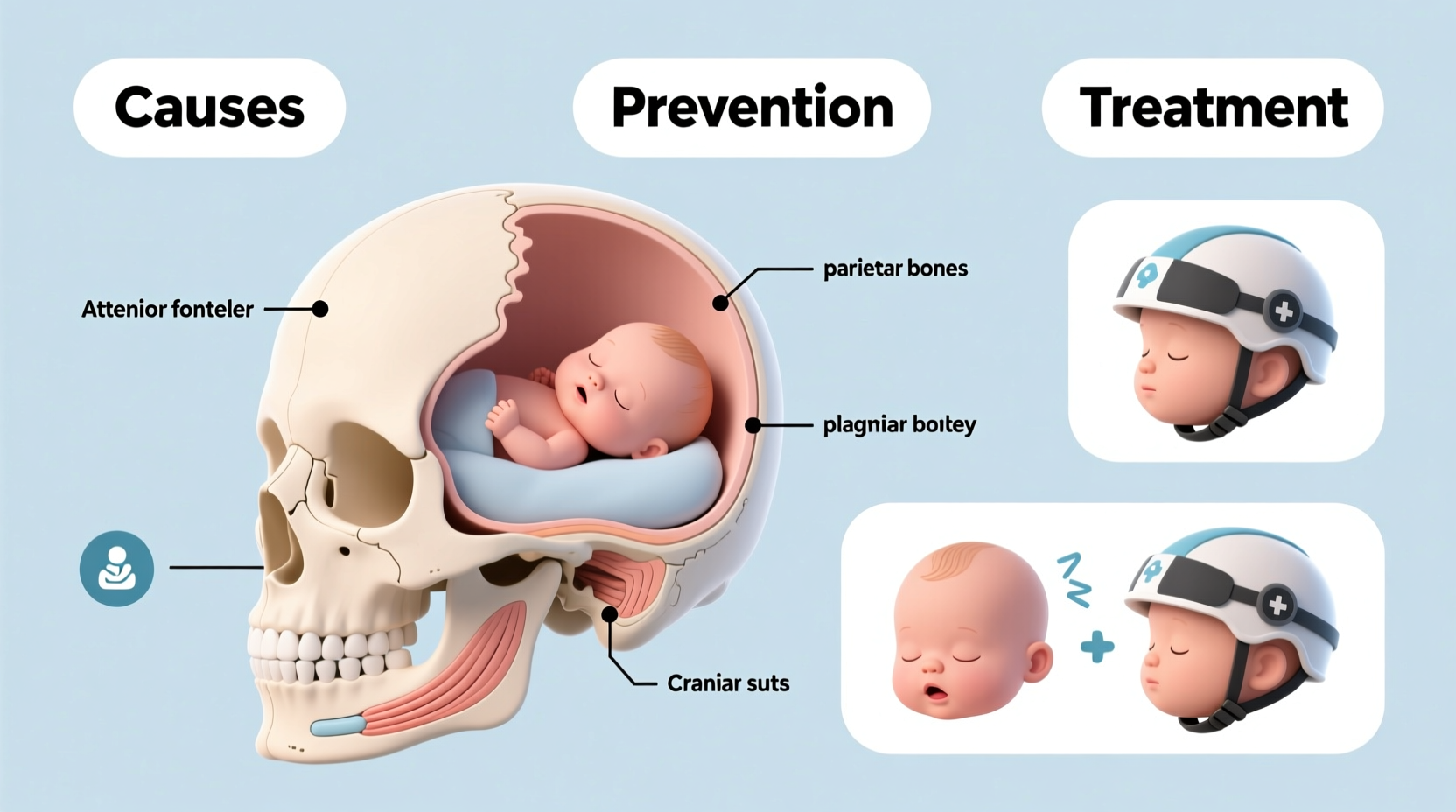
The primary reason babies develop flat heads is prolonged pressure on one part of the skull. Since newborns spend much of their time lying down—especially during sleep—the back or side of the head can flatten when consistently positioned against a firm surface like a crib mattress or car seat.
Several factors contribute to this condition:
- Limited space in the womb: Especially in multiple births or first pregnancies, babies may have restricted movement, leading to molding of the skull before birth.
- Premature birth: Preterm infants often have softer skulls and spend extended periods in neonatal intensive care units (NICUs) lying in the same position.
- Torticollis: A muscular condition where neck muscles are tight or imbalanced, causing the baby to favor turning their head to one side.
- Back sleeping habits: While placing babies on their backs to sleep has dramatically reduced SIDS risk, it increases the chance of flat head development if head positioning isn’t varied.
- Use of containers: Excessive time in car seats, bouncers, swings, or strollers limits natural head movement and adds pressure to the skull.
“Positional plagiocephaly is largely preventable with simple repositioning techniques and tummy time.” — Dr. Laura Jana, Pediatrician and Child Development Specialist
Preventing Flat Head Syndrome
Prevention begins in the early weeks of life. The key is to reduce consistent pressure on any single area of the baby’s head by encouraging variety in positioning and increasing supervised upright time.
Tummy Time: A Critical Habit
Tummy time strengthens neck, shoulder, and arm muscles while removing pressure from the back of the head. Start with short sessions—2–3 minutes several times a day—as early as the first week after birth, gradually increasing to 15–30 minutes daily by three months.
Tip: Place toys or mirrors in front of your baby during tummy time to encourage lifting and turning the head.Vary Head Position During Sleep
Alternate the direction your baby’s head faces each night. For example, place them at the foot of the crib one night and the head the next, so they naturally turn in different directions to look toward room activity or light.
Limited Container Use
Avoid leaving babies in car seats, carriers, or bouncers for more than short durations. These devices concentrate pressure on the same spot and restrict movement crucial for motor development.
Holding and Carrying
Spend time holding your baby upright during waking hours. This not only reduces skull pressure but supports bonding and sensory development.
Step-by-Step Guide to Daily Prevention Routine
- Morning: Begin with 5 minutes of tummy time on a firm surface after diaper change.
- Midday: Hold baby upright during feeding or carry in a sling to minimize lying time.
- Afternoon: Engage in interactive floor play, encouraging rolling and reaching.
- Evening: Alternate head position in the crib before bedtime.
- Throughout the day: Limit time in car seats or bouncers to under 30 minutes when not traveling.
Recognizing and Treating Flat Head Syndrome
If a flat spot develops despite preventive efforts, early detection allows for non-invasive correction. Most cases improve significantly within months with consistent repositioning and physical therapy.
When to See a Doctor
Consult your pediatrician if you notice:
- A persistent flat spot that doesn’t improve by 4–6 months
- Asymmetry in the face, ears, or forehead
- Difficulty turning the head in one direction
- Head shape worsening over time
Physical Therapy for Torticollis
If tight neck muscles are contributing to the flat head, a pediatric physical therapist can guide parents through stretching exercises and positioning techniques. Studies show that early intervention improves outcomes significantly.
Helmets and Remolding Orthoses
In moderate to severe cases diagnosed between 4 and 12 months, doctors may recommend a cranial remolding helmet. These custom-fitted helmets gently redirect skull growth by restricting expansion in prominent areas while allowing growth in flatter regions.
Helmets are most effective when started before 7 months and worn 23 hours a day for 3–6 months. They are not recommended after 12 months, as the skull hardens and growth slows.
Tip: Helmets require regular adjustments and follow-ups. Work closely with a certified orthotist for best results.Do’s and Don’ts: Quick Reference Table
| Do’s | Don’ts |
|---|---|
| Practice daily tummy time | Leave baby in car seat outside the car for long periods |
| Alternate head position during sleep | Force baby’s head into uncomfortable positions |
| Hold baby upright frequently | Use pillows or positioners in the crib |
| Seek evaluation for torticollis | Wait months to address a growing flat spot |
| Follow pediatrician-recommended therapy | Use unproven \"miracle\" devices sold online |
Real Example: A Parent’s Experience
Sarah noticed her 3-month-old son Liam had a flattened area on the right side of his head. He also resisted turning his head to the left. After discussing it with her pediatrician, she learned he had mild torticollis. She began daily tummy time, carried him more in a wrap carrier, and performed gentle stretches recommended by a pediatric physical therapist. By six months, the flatness had improved dramatically, and Liam was turning his head freely. “I wish I’d started earlier,” Sarah said, “but even catching it later made a big difference.”
Frequently Asked Questions
Can flat head syndrome affect brain development?
No, positional plagiocephaly does not impact brain growth or cognitive function. The brain continues to develop normally inside the skull, even if the outer shape changes. However, addressing motor delays associated with limited movement is important.
Will my baby’s flat head correct itself without treatment?
Many mild cases resolve on their own as babies gain strength, spend less time lying down, and begin sitting independently. Improvement is most likely when preventive strategies are applied early. Severe cases may require helmet therapy for optimal correction.
Are there long-term cosmetic concerns?
In most cases, improvements continue even after treatment ends. Hair typically covers minor asymmetries, and by school age, differences are often unnoticeable. Early intervention yields the best cosmetic outcomes.
Conclusion: Act Early, Stay Consistent
Flat head syndrome is common but largely preventable with mindful daily habits. Tummy time, repositioning, and limiting container use are simple yet powerful tools every parent can use. If a flat spot appears, don’t wait—early evaluation leads to faster, more effective correction. With patience and consistency, most babies achieve balanced head shapes and reach milestones without lasting effects.
💬 Have questions about your baby’s head shape? Talk to your pediatrician and share your experience with other parents—your insight could help someone else take action sooner.








