In early 2014, a simple mobile game with pixelated graphics and maddening difficulty became a global phenomenon overnight. Flappy Bird, developed by Vietnamese programmer Dong Nguyen, rocketed to the top of app store charts, generating tens of thousands of dollars daily in ad revenue. Yet, just as suddenly as it appeared, it vanished—removed from both Apple’s App Store and Google Play without warning. The internet erupted with confusion, conspiracy theories, and disbelief. What happened? Why would someone delete a game making $50,000 a day? The truth is more nuanced than greed or scandal—it’s a story about pressure, ethics, mental health, and the unpredictable nature of internet fame.
The Rise of Flappy Bird
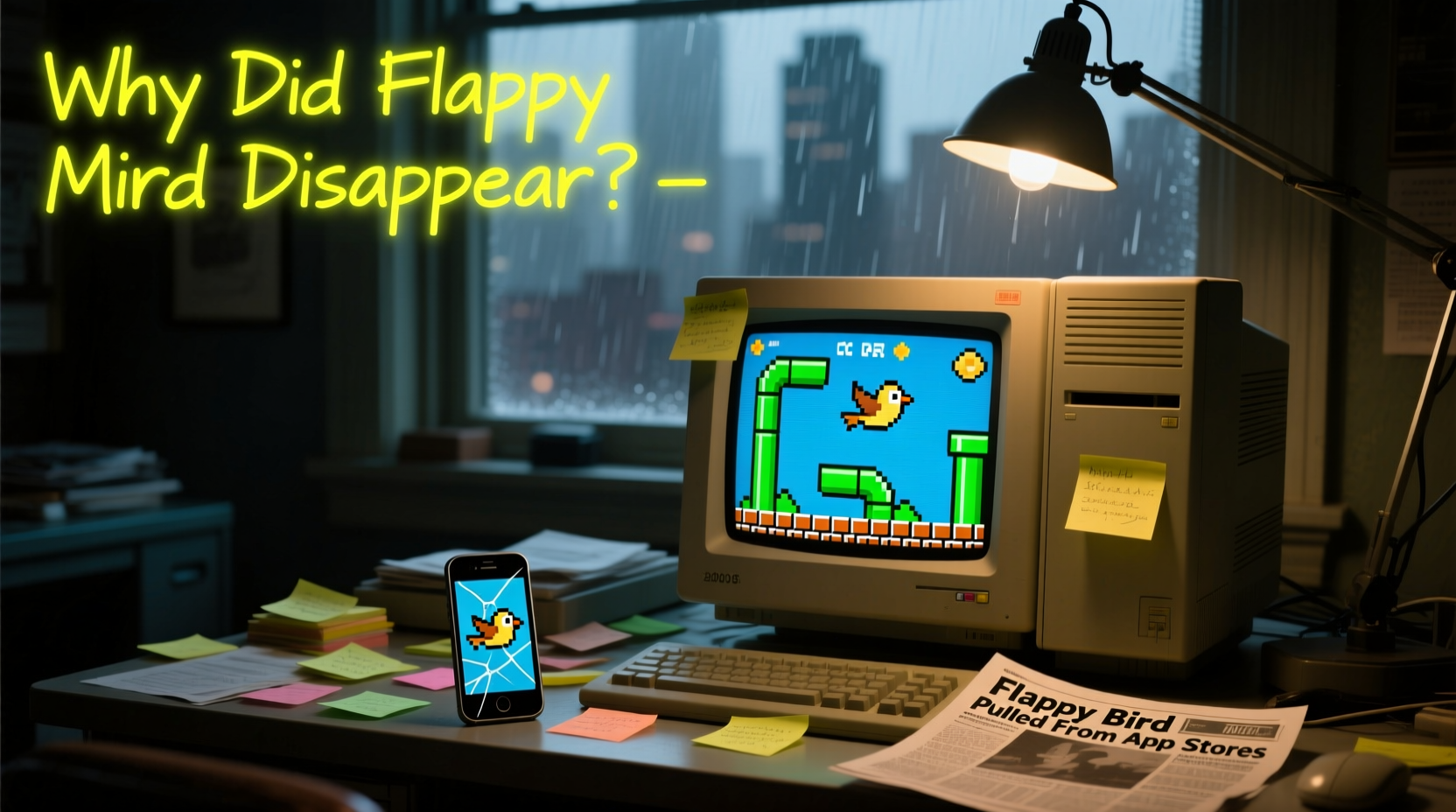
Released in May 2013 under Dong Nguyen’s indie studio, .Gears, Flappy Bird was initially ignored. For months, it sat unnoticed among millions of other apps. The gameplay was deceptively simple: tap the screen to make a small bird flap upward, navigating it through narrow gaps between green pipes. One touch meant instant death. No power-ups. No second chances. The difficulty was brutal, but that’s exactly what made it addictive.
By late 2013, something shifted. Word-of-mouth, social media buzz, and celebrity endorsements (including mentions from pop stars like Katy Perry and actor Leonardo DiCaprio) propelled the game into the stratosphere. By January 2014, Flappy Bird had climbed to #1 on the U.S. App Store’s free games list, with over 50 million downloads. It wasn’t just popular—it was a cultural moment.
At its peak, Nguyen reported earning around $50,000 per day from in-app advertisements. For a solo developer working out of Hanoi, this was life-changing money. But success came at a cost—one he hadn’t anticipated.
The Sudden Removal: A Shock to Gamers Worldwide
On February 8, 2014, Dong Nguyen posted a now-famous message on his Twitter account:
“We are sorry for having created this annoying game. We will remove Flappy Bird from app store tomorrow.”
The next day, the game was gone. No updates. No re-releases. Just silence. Fans scrambled to find APKs online or pay hundreds for used iPhones with the game still installed. Rumors spread: Was Apple suing him? Did Nintendo claim copyright over the bird design? Was there a legal threat?
None of these were true. The real reasons, revealed gradually through interviews and statements, were far more personal.
Why Flappy Bird Was Removed: The Real Reasons
Dong Nguyen cited several interconnected factors for pulling the plug:
- Addictiveness and guilt: He admitted feeling guilty about how addictive the game had become. In an interview with The Verge, he said, “I don’t make anything for the past 2-3 weeks because of the fame. I hate it.” He described seeing people play during meetings, while driving, and even at funerals—behaviors he found disturbing.
- Unbearable media attention: Overnight, Nguyen went from anonymous coder to international celebrity. Reporters camped outside his apartment. Tech blogs dissected every aspect of his life. The scrutiny became overwhelming.
- Mental health strain: The pressure led to anxiety and sleeplessness. He later confirmed he was taking time off to recover mentally and emotionally.
- Fear of imitation and exploitation: He believed others were cloning his game unfairly and felt disillusioned with the mobile gaming industry’s focus on monetizing addiction rather than creativity.
A Timeline of Key Events
To understand the full arc of Flappy Bird’s rise and fall, here’s a chronological breakdown:
| Date | Event |
|---|---|
| May 2013 | Flappy Bird released on iOS App Store with little initial traction. |
| November 2013 | Game begins gaining organic popularity via social sharing. |
| January 2014 | Reaches #1 on U.S. App Store; earns ~$50k/day in ad revenue. |
| February 7, 2014 | Nguyen tweets apology and announces removal. |
| February 8, 2014 | Game removed from all official app stores. |
| March 2014 | Nguyen confirms he is taking a break due to stress. |
| 2015–2016 | Nintendo sues publisher of Flappy Birds Family (a console version), citing trademark issues. |
| 2024 | No official re-release, though clones and fan remakes remain widespread. |
The Aftermath: Clones, Lawsuits, and Legacy
The removal of Flappy Bird didn’t end its influence—it amplified it. Within days, thousands of clones flooded app stores: “Clashy Bird,” “Flappy Plane,” “Jumping Donkey.” Some were near-exact copies. This wave highlighted a major issue in mobile gaming: the lack of protection for simple game mechanics.
In 2015, Nguyen attempted a comeback with a new game, *Swing Copters*, featuring similar one-tap mechanics but even greater difficulty. It gained moderate attention but never reached Flappy Bird’s level of success.
Meanwhile, a company called .GEARS Interactive (unrelated to Nguyen’s studio) launched a console version titled *Flappy Birds Family* on the Wii U. Nintendo swiftly filed a lawsuit, arguing the name infringed on their *Super Mario* brand and misled consumers. The case was settled out of court, reinforcing the risks of riding on viral fame without proper branding or legal safeguards.
“The success was not what I expected. It affected my normal life. I wanted to take a step back.” — Dong Nguyen, in an interview with Forbes
Lessons from the Flappy Bird Phenomenon
Flappy Bird’s story isn’t just about a game—it’s a cautionary tale about virality, mental health, and the dark side of digital success. Here are key takeaways for developers, creators, and entrepreneurs:
1. Virality Is Unpredictable—and Fleeting
No amount of marketing could have engineered Flappy Bird’s rise. It grew organically, fueled by frustration, competition, and shareability. But such spikes are rarely sustainable. Once the hype fades, maintaining momentum requires strategy, not luck.
2. Monetization Shouldn’t Override Ethics
Flappy Bird succeeded because it exploited psychological triggers: variable rewards, instant feedback, and high difficulty. While effective, Nguyen recognized the harm in designing for addiction. Today, ethical design is becoming a priority in tech, with growing concern over “dark patterns” that manipulate user behavior.
Tip: Balance engagement with user well-being. Ask: Is my product helping people—or just keeping them hooked?3. Mental Health Matters in Tech
Nguyen’s decision to step away was rare but necessary. The tech industry often glorifies hustle culture, burnout, and constant productivity. His withdrawal served as a quiet but powerful reminder: no amount of money is worth your peace of mind.
Mini Case Study: The Developer Who Walked Away
Imagine a solo developer named Alex, working nights after a full-time job to launch a puzzle app. One day, a TikTok influencer plays it during a livestream. Downloads surge. Ad revenue hits $3,000 a week. Excitement turns to panic as notifications flood in, emails pile up, and fans demand updates. Soon, Alex stops sleeping, avoids friends, and feels trapped by the app’s success. Sound familiar?
This mirrors Dong Nguyen’s experience. The difference? Nguyen had the courage to say no. He prioritized his mental health over profit. Most developers wouldn’t—or couldn’t—do the same. But his example shows that walking away can be an act of integrity, not failure.
Checklist: Managing Viral Success Without Burning Out
If your project suddenly gains massive attention, use this checklist to stay grounded:
- Set boundaries: Limit work hours and social media exposure.
- Delegate when possible: Hire help for customer support or updates.
- Pause if needed: Delay new features to avoid rushed decisions.
- Monitor mental health: Seek therapy or peer support if overwhelmed.
- Plan an exit strategy: Know when to step back or hand over the project.
- Protect your IP: Register trademarks and monitor for clones.
- Stay authentic: Don’t compromise your values for growth.
FAQ: Common Questions About Flappy Bird’s Disappearance
Did Apple or Google force Flappy Bird to be removed?
No. There was no ban or policy violation. Dong Nguyen voluntarily removed the game due to personal and ethical concerns.
Was Flappy Bird taken down because of copyright issues?
Not originally. However, later attempts to release a console version (*Flappy Birds Family*) were blocked by Nintendo over trademark concerns, not the original mobile game.
Will Flappy Bird ever come back officially?
As of 2024, there has been no official re-release. Dong Nguyen has remained largely out of the public eye, focusing on personal projects and privacy. While fan-made versions exist, the original remains retired.
Conclusion: A Legacy Beyond the Game
Flappy Bird may have only lasted ten months in app stores, but its impact lingers. It exposed the raw mechanics of viral content, challenged assumptions about game design, and sparked conversations about creator responsibility. More importantly, it humanized success—showing that behind every “overnight sensation” is a person who may not be ready for the spotlight.
Dong Nguyen didn’t fail by removing Flappy Bird. He succeeded by recognizing when enough was enough. In an era where attention is currency and burnout is normalized, his choice to walk away stands as a quiet act of rebellion—and wisdom.
🚀 What can you learn from Flappy Bird’s story? Whether you're building an app, a brand, or a creative project, remember: sustainable success isn't measured in downloads or dollars—but in balance, purpose, and peace. Share this article if you believe creators deserve more than just virality.








