Tomatoes are a staple in many human diets—juicy, nutritious, and rich in antioxidants. But when it comes to sharing food with our canine companions, not everything that’s healthy for us is safe for them. While ripe red tomatoes might seem harmless, there are real concerns about their impact on dogs. Understanding the science behind these risks helps pet owners make informed decisions. The truth is, while small amounts of ripe tomato may not harm most dogs, certain parts of the plant and unripe fruit pose serious health threats.
The Hidden Danger: Solanine and Tomatine
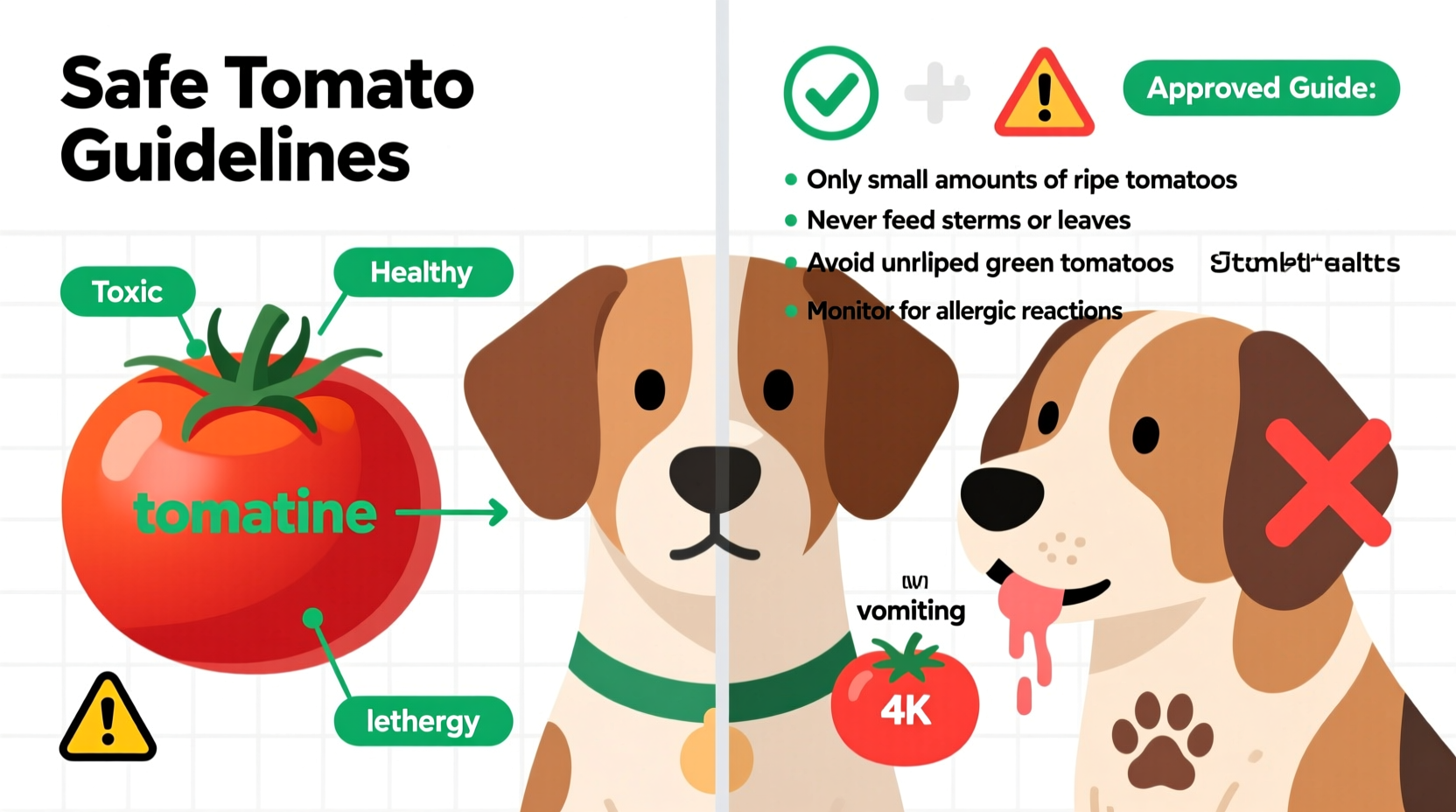
The primary reason tomatoes can be dangerous for dogs lies in naturally occurring compounds called solanine and tomatine. These glycoalkaloids are part of the plant’s defense mechanism against pests and are found primarily in the green parts of the tomato plant—stems, leaves, flowers, and unripe (green) tomatoes.
Tomatine levels are highest in immature green tomatoes and decrease significantly as the fruit ripens. However, even in ripe tomatoes, trace amounts remain. In large doses, tomatine can disrupt cell membranes and affect the nervous system, digestive tract, and heart function in dogs.
“While ripe tomatoes in moderation are generally low-risk, the green portions of the tomato plant contain concentrated toxins that can lead to poisoning in dogs.” — Dr. Laura Bennett, DVM, Veterinary Toxicology Specialist
Symptoms of Tomato Poisoning in Dogs
If a dog ingests a significant amount of green tomato or plant material, clinical signs of toxicity may appear within a few hours. These symptoms vary depending on the quantity consumed and the size of the dog, but common indicators include:
- Vomiting and diarrhea
- Loss of appetite
- Lethargy or weakness
- Excessive drooling
- Confusion or disorientation
- Muscle tremors or seizures (in severe cases)
- Abnormal heart rate
Smaller breeds are at higher risk due to their lower body mass, meaning even a small portion of green tomato can trigger toxic effects. If you observe any of these symptoms after your dog has had access to tomato plants or unripe fruit, contact your veterinarian immediately.
Tip: Never allow your dog to roam freely in a garden with tomato plants. Even curious nibbling on stems or leaves can lead to illness.When Are Tomatoes Safe? Ripe vs. Unripe
Not all tomato exposure is equally dangerous. The ripeness of the fruit plays a crucial role in determining risk level.
| Type of Tomato | Toxicity Risk | Safe for Dogs? | Notes |
|---|---|---|---|
| Ripe red tomato (small amount, peeled) | Low | Yes, occasionally | Remove skin if sensitive stomach; avoid seasoning |
| Green (unripe) tomato | High | No | Contains high levels of tomatine |
| Tomato plant (leaves, stem) | Very High | No | Potentially life-threatening if ingested |
| Canned tomatoes or sauces | Moderate to High | No | Often contain garlic, onions, salt, or spices—harmful additives |
The safest approach is to avoid feeding tomatoes altogether unless you're certain of the preparation and portion. If you choose to offer a taste, use only a small piece of fully ripe, red, raw tomato with the skin removed, and never add seasonings.
Step-by-Step Guide: What to Do If Your Dog Eats Tomato Plants
Accidents happen. If your dog eats part of a tomato plant or an unripe tomato, follow this protocol to minimize harm:
- Assess what was eaten: Determine whether it was a ripe fruit, green tomato, or plant material. Take photos if possible.
- Estimate the quantity: Note how much was consumed relative to your dog’s size.
- Contact your vet or animal poison control: Provide details including breed, weight, time of ingestion, and observed symptoms.
- Do not induce vomiting unless instructed: Some substances can cause more damage coming back up.
- Monitor closely: Watch for vomiting, diarrhea, shaking, or unusual behavior over the next 24 hours.
- Bring a sample if advised: A piece of the plant or remaining tomato can help with diagnosis.
Mini Case Study: Bella the Curious Beagle
Bella, a three-year-old beagle, escaped into her owner’s backyard garden one summer afternoon. She chewed on the leaves of a tomato plant while chasing a butterfly. Within two hours, she became unusually quiet, vomited twice, and began drooling excessively. Her owner recognized the plant debris on her breath and immediately called the emergency vet. After a thorough examination and activated charcoal treatment to absorb toxins, Bella recovered within 36 hours. The vet confirmed mild tomatine poisoning and emphasized the importance of fencing off edible gardens from pets.
Safe Alternatives to Tomatoes for Dogs
Dogs don’t need tomatoes in their diet, and plenty of safer, more appropriate fruits and vegetables exist. Instead of risking exposure to harmful alkaloids, consider these vet-approved alternatives:
- Cucumbers: Low-calorie, hydrating, and easy to digest.
- Blueberries: Packed with antioxidants and safe in moderation.
- Carrots (raw or cooked): Great for dental health and rich in beta-carotene.
- Green beans: A crunchy, fiber-rich treat often used in weight management diets.
- Apples (seedless): Sweet and satisfying—just remove the core and seeds.
FAQ: Common Questions About Dogs and Tomatoes
Can dogs eat cherry tomatoes?
Ripe cherry tomatoes in very small amounts are generally safe for most dogs. However, because they’re small, dogs may swallow them whole, increasing choking risk. Always supervise and limit to one or two at most. Avoid letting dogs eat them directly from the vine, where they might also ingest leaves.
Are cooked tomatoes safe for dogs?
Cooked tomatoes themselves aren’t inherently toxic if fully ripe, but most recipes include ingredients like onions, garlic, salt, or spices, which are dangerous for dogs. Plain, home-cooked tomato sauce without additives is still not recommended due to acidity and potential gastrointestinal irritation.
What should I do if my dog ate spaghetti with tomato sauce?
Check the ingredients. If the sauce contains onion, garlic, or excessive salt, contact your vet immediately—even small amounts can cause hemolytic anemia in dogs. If the sauce is plain and your dog only had a bite, monitor for vomiting or diarrhea, but serious issues are less likely.
Final Checklist: Keeping Your Dog Safe Around Tomatoes
- ✅ Do:
- - Allow tiny portions of ripe, red tomato as an occasional treat
- - Supervise outdoor time if you grow tomato plants
- - Store garden tools and plant clippings out of reach
- - Use raised beds or fencing to protect vegetable gardens
- ❌ Don’t:
- - Feed green tomatoes under any circumstances
- - Give tomato-based sauces, soups, or canned products
- - Ignore signs of poisoning after suspected ingestion
- - Assume “natural” means “safe”—many natural plants are toxic to pets
Conclusion: Prioritize Safety Over Sharing
While the idea of sharing your favorite foods with your dog comes from love, it’s essential to prioritize their biological needs over ours. Tomatoes, especially in their green or processed forms, carry real risks that outweigh any nutritional benefit they might offer. By understanding the dangers of solanine and tomatine, recognizing the symptoms of poisoning, and choosing safer treats, you protect your dog’s long-term health.
💬 Have a story about your dog and unexpected food reactions? Share your experience below to help other pet owners stay informed and vigilant.








