The Super Bowl is more than just a championship game—it’s a cultural phenomenon, drawing over 100 million viewers annually in the United States alone. With such massive visibility, brands scramble to associate their messaging with the event. Yet, if you’ve ever noticed, most commercials during the broadcast never actually use the phrase “Super Bowl” in their ads. Instead, they refer to it as “the big game,” “football’s biggest night,” or other clever euphemisms. So why can’t advertisers just say “Super Bowl”? The answer lies in one of the most aggressive trademark enforcement strategies in sports history.
The Power of the Super Bowl Trademark
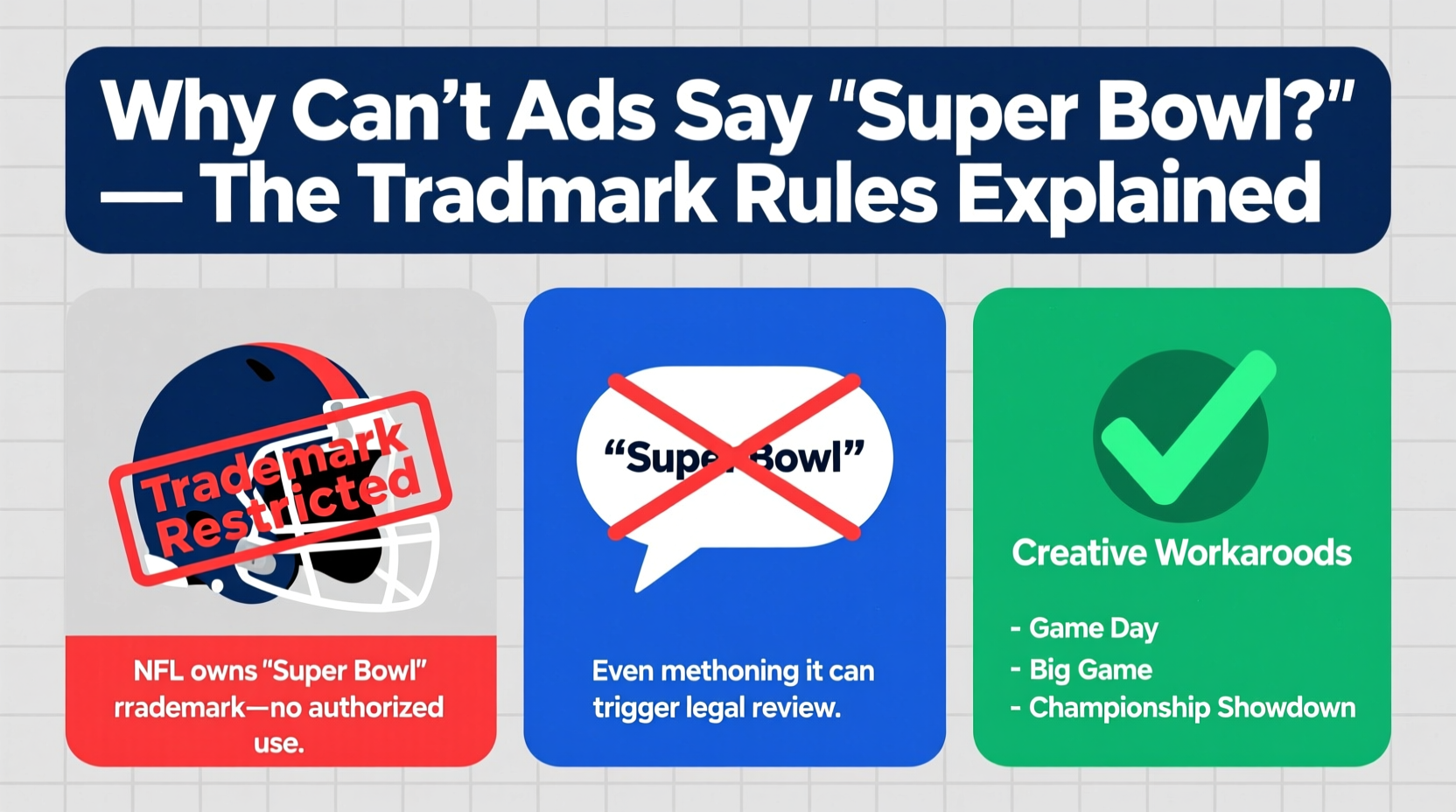
The term “Super Bowl” is a registered trademark owned by the National Football League (NFL). It was first used in 1967 for the inaugural championship game between the AFL and NFL champions, and since then, the league has fiercely protected its intellectual property. The NFL holds multiple trademarks related to “Super Bowl,” including logos, taglines, and even specific phrases tied to the event.
Unlike generic terms such as “championship” or “finals,” “Super Bowl” is not free for public use. The NFL actively polices unauthorized commercial usage through cease-and-desist letters, legal threats, and takedown notices. This protection extends beyond official sponsors—meaning even non-sponsoring companies cannot use the term in advertising, even if they’re referencing the event factually.
“Trademark law allows the NFL to control how ‘Super Bowl’ is used commercially. Any brand implying endorsement or affiliation risks legal action.” — Laura Kim, Intellectual Property Attorney
How the NFL Enforces Its Trademark Rules
The NFL doesn’t just rely on registration; it enforces its rights aggressively each year. During the weeks leading up to the Super Bowl, the league deploys legal teams to monitor media, digital platforms, and promotional materials. Unauthorized commercial references—even subtle ones—are flagged and addressed.
This enforcement includes:
- Preventing non-sponsors from using “Super Bowl” in ads, social media campaigns, or promotions.
- Blocking domain names that incorporate “Super Bowl” for commercial gain.
- Requiring broadcasters and media outlets to follow strict usage guidelines when discussing the event.
- Monitoring hashtags and influencer content that could imply sponsorship.
The goal is twofold: protect the exclusivity of official sponsorships and maintain control over brand associations. A 30-second ad during the Super Bowl costs millions, and the NFL ensures only those who pay get the privilege of direct association.
Tip: If you're a marketer planning a campaign around the Super Bowl, avoid using “Super Bowl,” “Big Game,” or team logos—even in jest. Use neutral timing cues like “Sunday’s football championship” instead.Do’s and Don’ts for Marketers Around Major Events
| Do | Don’t |
|---|---|
| Reference the date or time of the event (e.g., “this Sunday’s game”) | Use “Super Bowl” in headlines, slogans, or hashtags |
| Run themed promotions without naming the event | Use team names, logos, or uniforms without permission |
| Leverage general excitement (e.g., “game day deals”) | Imply partnership or sponsorship with the NFL |
| Educate your creative team on trademark boundaries | Rely on fair use assumptions—trademark law is strict here |
A Real-World Example: The “Big Game” Workaround
In 2020, a regional pizza chain launched a promotion offering free garlic knots with any large order on “the biggest night in American football.” Internally, the marketing team referred to it as their “Super Bowl campaign,” but publicly, every mention of the event was carefully avoided. They used imagery of fans watching TV, football-shaped cookies, and countdown timers—but no team colors, no confetti resembling Super Bowl branding, and certainly no use of the words “Super Bowl.”
Despite not being an official sponsor, the campaign generated significant local buzz and a 38% increase in weekend sales. By respecting trademark boundaries while still tapping into cultural momentum, the company achieved results without legal risk.
This case illustrates a broader trend: successful marketing doesn’t require direct naming. Emotional resonance, timing, and context often do the heavy lifting.
Step-by-Step Guide to Legally Align with the Super Bowl
If your business wants to capitalize on the Super Bowl audience without violating trademark rules, follow this sequence:
- Assess Your Goals: Determine whether you want to drive foot traffic, boost online sales, or increase brand awareness during the event window.
- Review NFL Guidelines: Visit the NFL’s official trademark page to understand restricted terms and design elements.
- Avoid Protected Language: Replace “Super Bowl” with neutral alternatives like “championship game,” “football finale,” or “February 9th event.”
- Create Themed Content: Design visuals and copy that evoke the spirit of the game—celebration, competition, gathering—without referencing the NFL directly.
- Train Your Team: Ensure designers, social media managers, and copywriters know what’s off-limits.
- Monitor for Compliance: Audit all published content before launch to prevent accidental violations.
- Measure Results: Track engagement and conversions to refine future event-based campaigns.
Frequently Asked Questions
Can I use “Super Bowl” in a news article or blog post?
Yes. Descriptive, editorial, or journalistic use of “Super Bowl” is generally allowed under nominative fair use, as long as it’s not used to suggest sponsorship or commercial affiliation.
What happens if a company uses “Super Bowl” illegally?
The NFL typically sends a cease-and-desist letter first. If ignored, they may pursue legal action for trademark infringement, which can result in fines, forced ad removal, and reputational damage.
Are there any exceptions to the rule?
Only official sponsors who have paid licensing fees are permitted to use “Super Bowl” in advertising. Even then, their usage is governed by strict contractual terms set by the NFL.
Expert Insight: Why the NFL Is So Protective
The financial stakes are enormous. Official Super Bowl sponsors pay anywhere from $5 million to over $8 million for multi-year packages that include ad slots, branding rights, and hospitality access. Allowing free use of the “Super Bowl” name would devalue these partnerships and erode the league’s revenue model.
“The NFL treats its trademarks like crown jewels. Every unauthorized use chips away at the exclusivity that drives sponsorship value.” — Mark Delgado, Sports Marketing Consultant
This isn’t unique to the Super Bowl. Major events like the Olympics, World Cup, and Grammy Awards enforce similar restrictions. But due to the scale of U.S. advertising culture and the commercialization of the NFL, the Super Bowl stands out for the rigor of its enforcement.
Conclusion: Play Smart, Not Hard
You don’t need to say “Super Bowl” to benefit from its cultural gravity. The key is creativity within legal boundaries. By understanding trademark rules, respecting intellectual property, and focusing on consumer experience rather than brand name-dropping, businesses can run effective campaigns that align with the event—without crossing legal lines.
💬 Have you seen clever ads that reference the Super Bowl without saying it? Share your favorite examples or ask questions about trademark-safe marketing—we’d love to hear how brands inspire you while staying compliant!








