
Birds colliding with windows is a surprisingly common phenomenon—one that affects homes, offices, and high-rises across the world. While it may seem like an isolated accident, millions of birds die each year from window strikes in North America alone. Understanding the underlying reasons behind these collisions is the first step toward preventing them. More importantly, effective, low-cost solutions exist that can dramatically reduce the risk without compromising your view or natural light.
This article explores the science behind bird-window collisions, outlines key contributing factors, and provides actionable strategies homeowners, architects, and city planners can use to make buildings safer for avian life.
Why Birds Fly Into Windows: The Science Behind the Collision
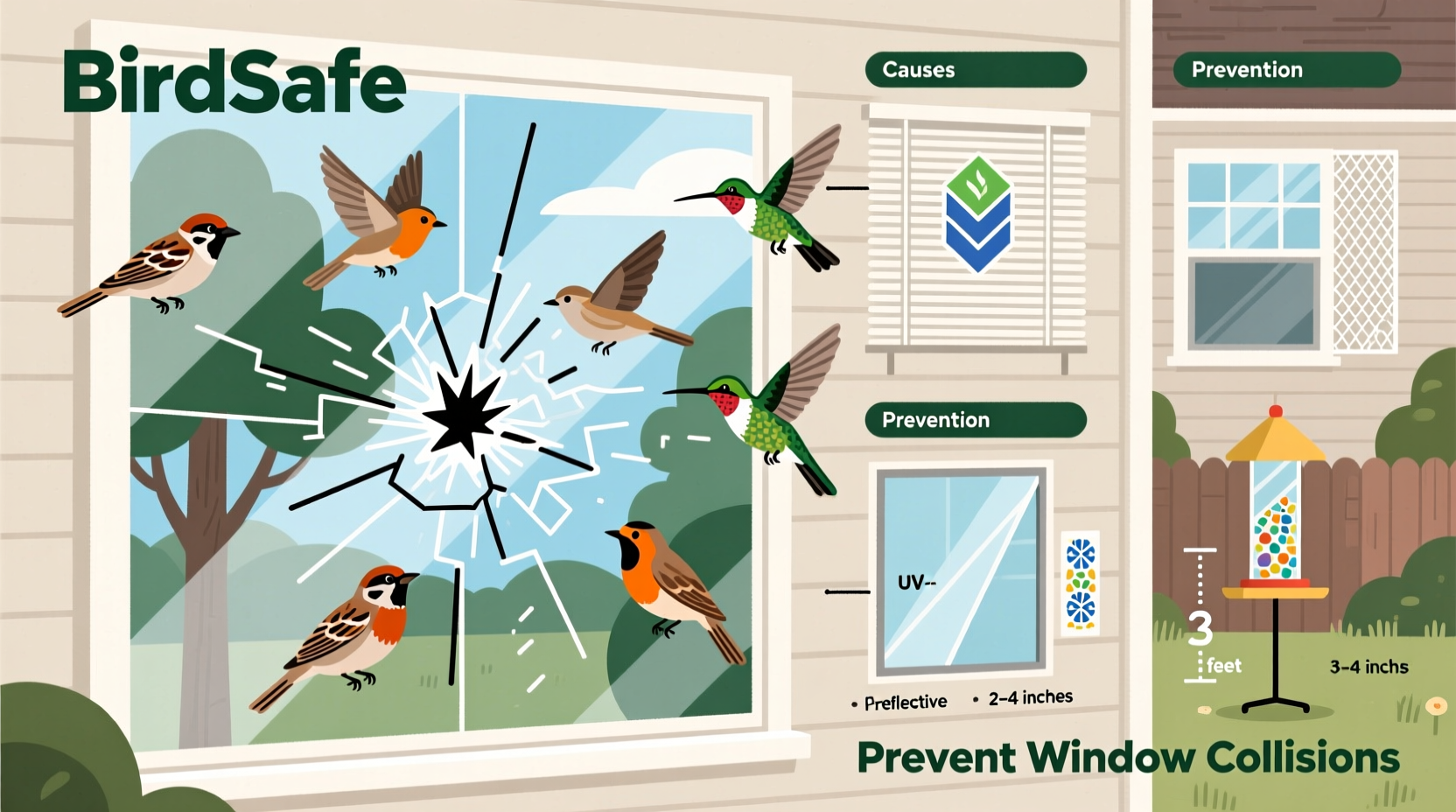
Birds don’t perceive glass the way humans do. To them, transparent or reflective surfaces are invisible barriers—or worse, illusions of open space. When a window reflects the sky, trees, or shrubs, birds interpret it as a continuation of their environment. They attempt to fly through what appears to be a gap in the foliage or a clear flight path, only to strike solid glass at full speed.
Additionally, indoor plants near windows can create the illusion of safe habitat. A cardinal might see a potted fern reflected in a pane and dive toward what it believes is shelter. At night, artificial lighting compounds the problem, especially during migration seasons when birds navigate by the stars. Brightly lit buildings disorient nocturnal migrants, drawing them into urban areas where they’re more likely to collide with structures.
“Glass is the second leading cause of direct human-caused bird mortality in North America, after cats.” — Dr. Daniel Klem Jr., Ornithologist and Leading Researcher on Bird-Window Collisions
Key Factors That Increase Collision Risk
Certain architectural and environmental features significantly raise the likelihood of bird strikes. Recognizing these factors helps in designing or modifying spaces to be bird-friendly.
- Large expanses of glass: Floor-to-ceiling windows or glass walls act as invisible traps, especially when placed near gardens or wooded areas.
- Reflective surfaces: Mirrored or tinted glass intensifies reflections of vegetation and sky, creating false passageways.
- Indoor vegetation visible from outside: Houseplants or atriums seen through glass attract birds seeking cover.
- Building location: Homes near parks, forests, wetlands, or along migratory routes face higher risks.
- Seasonal activity: Spring and fall migrations see spikes in collisions due to increased bird movement and fatigue.
Effective Prevention Strategies You Can Apply Today
Preventing bird collisions doesn’t require major renovations. Many proven methods are affordable, easy to install, and visually unobtrusive. The goal is to break up reflections or make glass visible to birds using patterns they recognize as barriers.
Step-by-Step Guide to Making Windows Safer
- Assess high-risk windows: Identify panes where you’ve seen birds hit or where reflections are strongest.
- Apply external deterrents: Install products like UV-reflective decals, tempera paint designs, or mesh netting on the outside of the glass.
- Use patterned films: Apply frosted, striped, or dotted window films that obscure reflections while allowing light through.
- Install external screens or shades: Retractable awnings or fine-mesh screens block impact and reduce reflectivity.
- Relocate feeders and plants: Place bird feeders either within 3 feet of windows (too close for lethal speed) or more than 30 feet away (out of reflection range).
- Adjust lighting at night: Turn off unnecessary lights during peak migration months (March–May, August–November), especially between midnight and dawn.
| Method | Effectiveness | Cost | Aesthetic Impact |
|---|---|---|---|
| Decals (2x2 inch, spaced every 2 inches) | High | $ | Moderate |
| Frosted or patterned window film | Very High | $$ | Low to Moderate |
| External mesh netting | Very High | $$ | Moderate |
| Tempera paint designs | High | $ | High (temporary) |
| Turning off nighttime lights | Moderate (for migratory birds) | Free | None |
Real-World Example: How One Homeowner Reduced Collisions by 90%
Sarah Thompson, a resident of Ithaca, New York, noticed several dead birds beneath her sunroom each spring. After researching the issue, she realized her floor-to-ceiling windows reflected a mature oak tree, creating a deadly illusion. She applied a grid of UV-visible window decals in a 2-inch by 4-inch spacing—close enough to deter birds but subtle enough to preserve visibility.
Within one migration season, bird strikes dropped from nearly a dozen to just one minor collision. “I was shocked at how simple the fix was,” Sarah said. “Now I hardly ever find a bird, and my view is still beautiful.” Her experience underscores that even partial coverage with properly spaced markings can yield dramatic results.
Checklist: Make Your Home Bird-Safe in 7 Steps
- ✅ Identify windows where birds have previously collided
- ✅ Evaluate reflections and nearby vegetation
- ✅ Choose a bird-safe treatment method (film, decals, netting)
- ✅ Ensure spacing follows the \"2x4 rule\": no more than 2 inches apart vertically or 4 inches horizontally
- ✅ Move indoor plants away from large windows
- ✅ Adjust outdoor lighting during migration seasons
- ✅ Share information with neighbors to promote community-wide change
Frequently Asked Questions
Can birds see glass at all?
No, birds cannot perceive glass as a solid barrier. Their visual system evolved to detect movement and color, not transparent surfaces. Reflections or transparency trick them into seeing open space.
Do stickers really work?
Yes—but only if applied correctly. Isolated stickers or large decorative decals are ineffective. For best results, use smaller markers (no more than 2 inches wide) spaced no more than 2 inches apart vertically and 4 inches horizontally. This “2x4 rule” creates a visual barrier birds recognize.
Are some bird species more at risk?
Yes. Smaller songbirds like warblers, thrushes, and sparrows are most vulnerable, especially during migration. Juvenile birds, unfamiliar with urban landscapes, also face higher risks. However, larger birds like woodpeckers and jays can suffer fatal injuries too.
Conclusion: Protecting Birds Starts With Awareness and Action
Bird-window collisions are preventable, not inevitable. With a better understanding of bird behavior and simple, cost-effective interventions, homeowners and building managers can save countless lives each year. Whether it’s applying a decal, adjusting a light schedule, or advocating for bird-safe design in new construction, every action counts.
The shift toward bird-friendly architecture is growing—from cities like Toronto and San Francisco mandating bird-safe building codes to individuals making thoughtful changes at home. You don’t need to be an expert to make a difference. Start today by examining your windows, choosing one solution, and putting it into practice. Small steps lead to meaningful change.
💬 Have you experienced bird collisions at your home? What worked for you? Share your story or questions in the comments to help build a safer environment for birds everywhere.








