Painful spots—often referred to as inflammatory acne—are more than just cosmetic concerns. Unlike mild blackheads or whiteheads, these deep, red, swollen bumps can throb, ache, and even interfere with daily comfort. Understanding why spots hurt, what triggers them, and how to treat and prevent them is essential for anyone struggling with persistent breakouts. This guide dives into the biological mechanisms behind painful acne, outlines science-backed treatment options, and provides practical steps to keep your skin clear and irritation-free.
The Science Behind Painful Spots
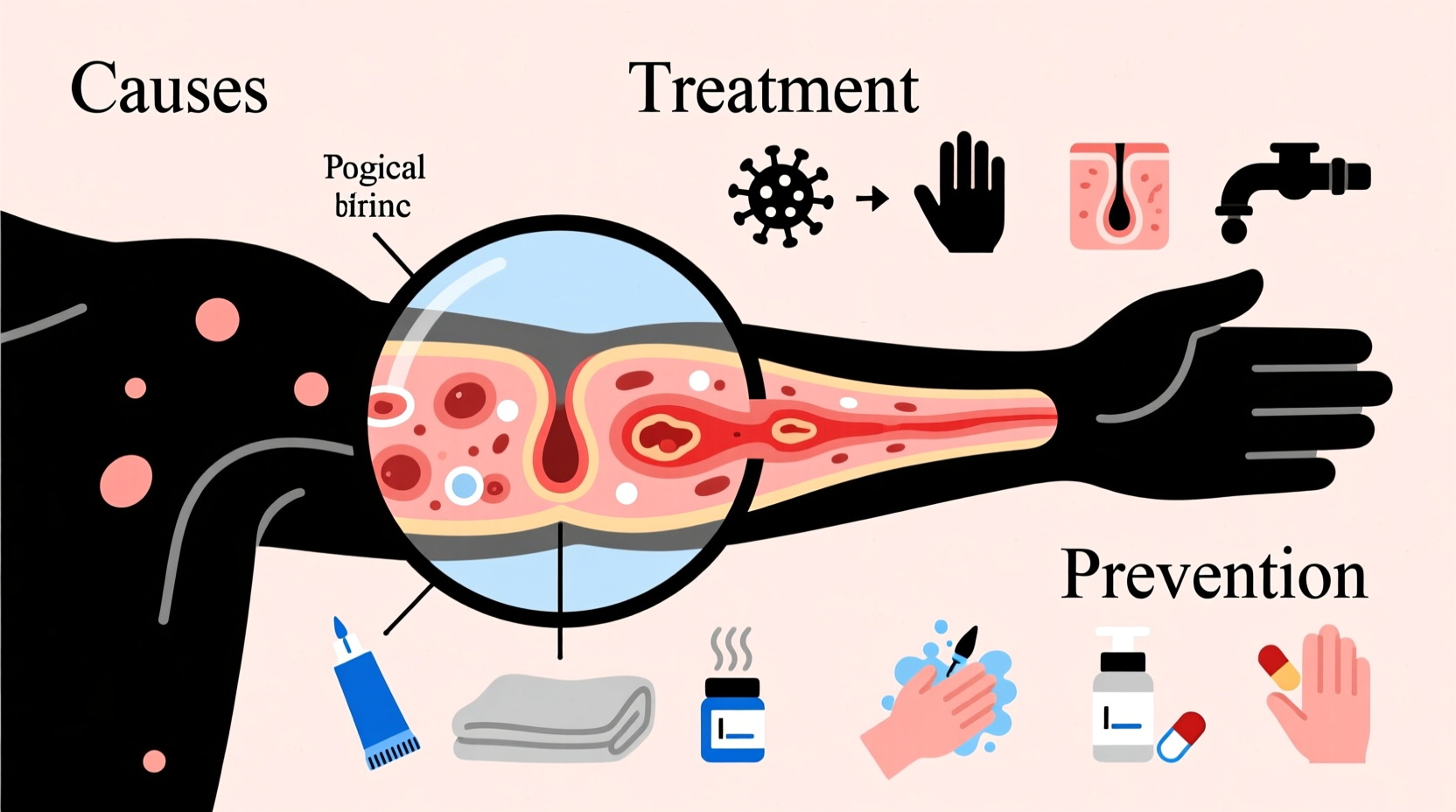
Pain in acne lesions stems from inflammation. When pores become clogged with oil (sebum), dead skin cells, and bacteria—particularly Propionibacterium acnes (now known as Cutibacterium acnes)—the immune system responds by sending white blood cells to the area. This reaction causes swelling, redness, heat, and pain.
Deep forms of acne such as nodules and cysts extend into the lower layers of the skin, affecting nerve endings and surrounding tissue. These types of lesions are often tender to the touch and may persist for weeks without proper care.
“Painful acne isn’t just surface-level—it’s a sign of deeper inflammation that requires targeted intervention.” — Dr. Lena Patel, Board-Certified Dermatologist
Common Causes of Painful Acne
Several factors contribute to the development of painful spots:
- Hormonal fluctuations: Androgens increase sebum production, especially during puberty, menstruation, pregnancy, or conditions like PCOS.
- Bacterial overgrowth: C. acnes thrives in clogged follicles, triggering an immune response.
- Diet: High-glycemic foods and dairy have been linked to increased acne severity in some studies.
- Stress: Cortisol can stimulate oil glands and worsen inflammation.
- Skincare habits: Over-cleansing, using comedogenic products, or picking at spots can aggravate existing lesions.
- Genetics: Family history plays a strong role in acne susceptibility.
Treatment Options for Painful Spots
Effective treatment depends on the severity and type of acne. Mild cases may respond well to over-the-counter products, while moderate to severe acne often requires prescription intervention.
Topical Treatments
These are applied directly to the skin and work by unclogging pores, reducing bacteria, or calming inflammation.
- Benzoyl peroxide: Kills acne-causing bacteria and reduces inflammation. Available in concentrations from 2.5% to 10%.
- Salicylic acid: Exfoliates inside the pore, helping to dissolve blockages.
- Retinoids (e.g., adapalene, tretinoin): Promote cell turnover and prevent clogged pores.
- Topical antibiotics (e.g., clindamycin): Reduce bacterial load and inflammation, often used in combination with benzoyl peroxide.
Oral Medications
For widespread or deeply inflamed acne, systemic treatments may be necessary.
| Medication | How It Works | Considerations |
|---|---|---|
| Antibiotics (e.g., doxycycline) | Reduce bacteria and inflammation | Short-term use only; risk of resistance |
| Oral contraceptives | Regulate hormones that trigger acne | Only for individuals assigned female at birth; requires prescription |
| Spironolactone | Blocks androgen receptors | Off-label use for acne; effective for hormonal breakouts |
| Isotretinoin (Accutane) | Shrinks oil glands and prevents clogging | Highly effective but has strict monitoring requirements due to side effects |
In-Office Procedures
Dermatologists may recommend procedures for immediate relief or stubborn lesions:
- Cortisone injections: Rapidly reduce swelling and pain in large cysts within 24–48 hours.
- Drainage and extraction: Performed under sterile conditions to remove contents of large nodules.
- Chemical peels or laser therapy: Help reduce inflammation and improve skin texture over time.
Prevention Strategies That Work
Preventing painful spots involves consistent skincare, lifestyle adjustments, and early intervention.
Step-by-Step Daily Prevention Routine
- Cleanse gently twice daily with a non-comedogenic, pH-balanced cleanser to avoid stripping natural oils.
- Apply a topical treatment (e.g., benzoyl peroxide or retinoid) to active areas after cleansing.
- Moisturize daily—even oily skin needs hydration. Choose oil-free, non-acnegenic formulas.
- Use sunscreen every morning. UV exposure can worsen post-inflammatory hyperpigmentation.
- Wash pillowcases and towels regularly to minimize bacterial buildup.
Lifestyle Adjustments
What you do outside your skincare routine matters just as much:
- Maintain a balanced diet low in refined sugars and processed dairy.
- Stay hydrated to support skin barrier function.
- Manage stress through mindfulness, exercise, or adequate sleep.
- Avoid wearing tight hats, helmets, or clothing that traps sweat and friction.
Real-Life Example: Managing Hormonal Acne
Sophia, a 28-year-old teacher, experienced recurring painful jawline acne each month before her period. Despite trying multiple spot treatments, the deep, tender cysts persisted. After consulting a dermatologist, she was diagnosed with hormonal acne. Her treatment plan included a combination of topical adapalene, oral spironolactone, and monthly facial treatments. Within three months, her breakouts decreased significantly in frequency and severity. She also adjusted her diet, cutting back on skim milk and sugary snacks, which further improved her results.
This case illustrates how combining medical treatment with lifestyle changes can lead to long-term improvement—even for stubborn, painful acne.
Do’s and Don’ts: Quick Checklist
| Do’s | Don’ts |
|---|---|
| Wash your face twice daily with a gentle cleanser | Scrub aggressively or use harsh exfoliants |
| Use non-comedogenic moisturizers and makeup | Sleep with makeup on |
| Apply acne treatments consistently | Overuse products hoping for faster results |
| See a dermatologist for persistent cysts | Pop or pick at painful spots |
| Change pillowcases weekly | Share towels or skincare tools |
Frequently Asked Questions
Can stress really cause painful spots?
Yes. Stress increases cortisol levels, which can stimulate sebaceous glands to produce more oil. This excess oil can clog pores and promote bacterial growth, leading to inflammatory acne. Managing stress through sleep, exercise, and relaxation techniques can help reduce flare-ups.
Are painful spots more likely to scar?
Yes. The deeper the inflammation, the greater the risk of scarring. Nodules and cysts damage collagen in the dermis, increasing the likelihood of permanent marks. Early treatment and avoiding manipulation are key to minimizing scars.
How long does a painful spot usually last?
Without treatment, a deep cystic pimple can last 4–8 weeks. With proper care—including topical treatments, warm compresses, or professional interventions—it may resolve in 1–2 weeks.
Take Control of Your Skin Health
Painful spots are not just a teenage issue—they affect people of all ages and can significantly impact self-esteem and quality of life. But with the right knowledge and approach, they can be managed effectively. Whether your breakouts stem from hormones, lifestyle, or genetics, solutions exist. Consistency in skincare, timely treatment, and professional guidance make all the difference.
💬 Ready to take the next step? Track your breakouts for two weeks, note any patterns, and consider scheduling a consultation with a dermatologist. Small changes today can lead to clearer, healthier skin tomorrow.








