Waking up to pale or white toes can be alarming, especially if it happens frequently or is accompanied by discomfort. While occasional changes in toe color may not be serious, persistent whitening can signal an underlying health issue. Understanding the causes, recognizing associated symptoms, and knowing when to seek treatment are essential steps toward protecting your foot health and overall well-being.
Toes turn white primarily due to reduced blood flow, exposure to cold, or nerve-related conditions. These changes may be temporary or indicative of a chronic condition requiring medical attention. This article explores the most common reasons behind white toes, outlines key symptoms, and provides practical guidance on diagnosis and treatment.
Common Causes of White Toes
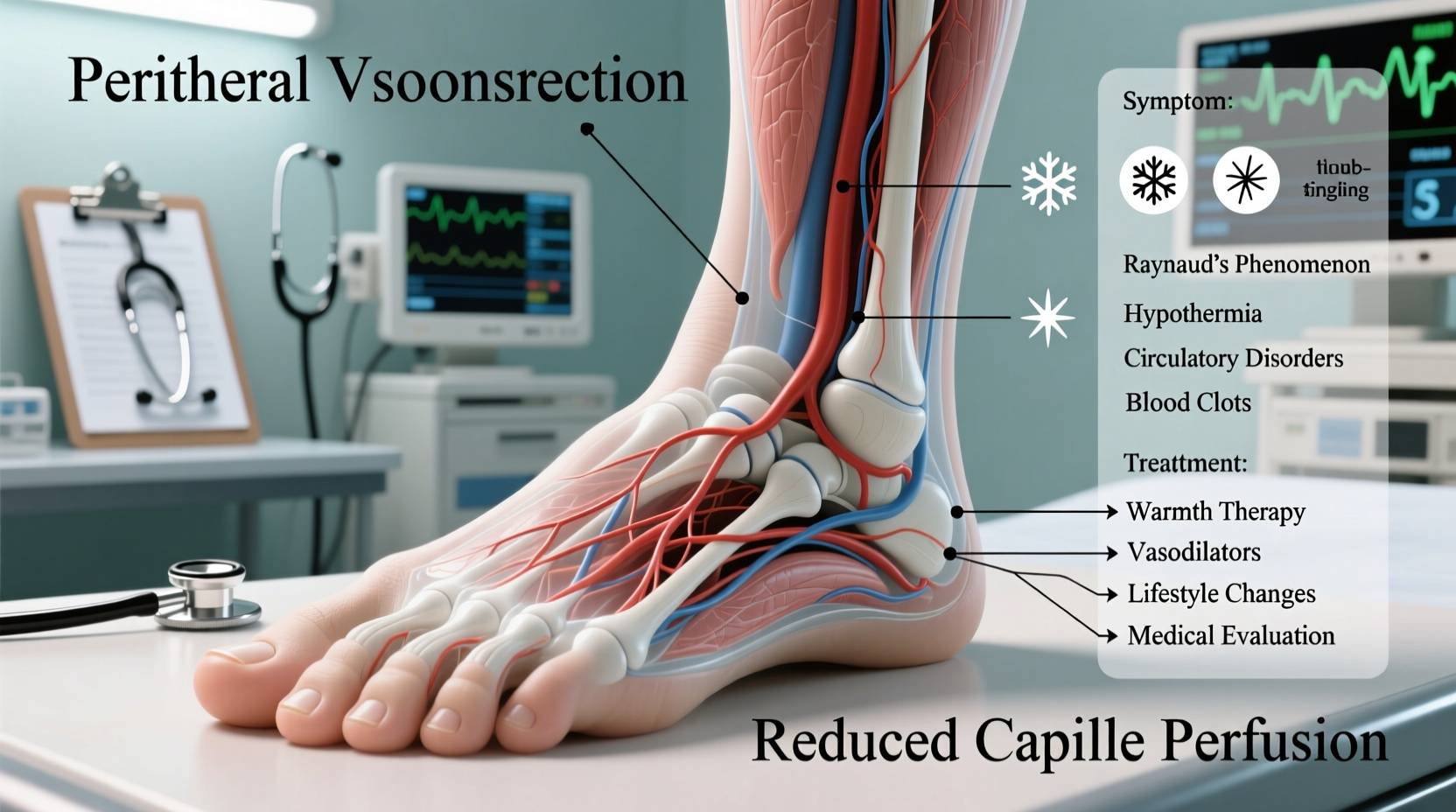
The appearance of white toes is often linked to circulatory or neurological problems. Blood vessels in the extremities—especially the toes—are sensitive to temperature and stress, making them prone to discoloration under certain conditions.
- Raynaud’s Phenomenon: A condition where small arteries constrict excessively in response to cold or stress, limiting blood flow to fingers and toes. This leads to color changes—typically white, then blue, and finally red as circulation returns.
- Poor Circulation: Reduced blood flow due to peripheral artery disease (PAD), diabetes, or heart conditions can cause toes to appear pale or white, particularly during activity or rest.
- Frostbite: In extreme cold, skin and underlying tissues freeze, initially turning white or grayish-yellow. This is a medical emergency.
- Vasospasm: Sudden narrowing of blood vessels unrelated to Raynaud’s, sometimes triggered by smoking, caffeine, or certain medications.
- Anemia: Low red blood cell count reduces oxygen delivery, which may result in pale skin, including on the toes.
- Nerve Compression or Damage: Conditions like peripheral neuropathy (common in diabetics) can affect both sensation and blood flow regulation in the feet.
Symptoms Associated with White Toes
White toes rarely occur in isolation. They are usually accompanied by other signs that help identify the root cause.
| Cause | Primary Symptoms | Triggers |
|---|---|---|
| Raynaud’s Phenomenon | White or blue toes, numbness, tingling, pain upon warming | Cold exposure, emotional stress |
| Poor Circulation (PAD) | Cold feet, cramping in legs, slow-healing sores | Walking, prolonged sitting |
| Frostbite | Hard, waxy skin; loss of sensation; blistering in later stages | Exposure to freezing temperatures |
| Anemia | Fatigue, dizziness, pale skin beyond toes | Chronic illness, iron deficiency |
| Peripheral Neuropathy | Burning, tingling, sharp pain, muscle weakness | Diabetes, alcohol abuse, vitamin deficiencies |
Timing and pattern matter. For example, if toes turn white after walking and improve with rest, this could point to PAD. If color changes happen suddenly in cold weather and resolve quickly indoors, Raynaud’s is more likely.
Diagnosis and When to See a Doctor
Not all cases of white toes require urgent care, but some warrant prompt medical evaluation. Seek immediate attention if you experience:
- Toes remain white for extended periods despite warming
- Pain, swelling, or blistering alongside discoloration
- Open sores or ulcers on the feet
- History of diabetes, cardiovascular disease, or autoimmune disorders
“Persistent pallor in the toes should never be ignored, especially in patients with diabetes or vascular disease. Early intervention prevents complications like infection or tissue death.” — Dr. Lena Torres, Vascular Medicine Specialist
A doctor may perform a physical exam, check pulses in the feet, and order tests such as Doppler ultrasound, blood tests for anemia or autoimmune markers, or nailfold capillaroscopy to assess microcirculation. Identifying whether the cause is primary (like idiopathic Raynaud’s) or secondary (linked to lupus, scleroderma, etc.) guides treatment.
Treatment Options Based on Cause
Effective treatment depends on accurately diagnosing the underlying condition. General and targeted approaches include:
For Raynaud’s Phenomenon
- Avoid cold exposure—wear insulated socks and shoes.
- Practice stress management techniques like deep breathing or meditation.
- Use vasodilating medications (e.g., calcium channel blockers) if prescribed.
- Quit smoking, which worsens vasoconstriction.
For Poor Circulation (PAD)
- Exercise regularly to improve blood flow.
- Manage cholesterol, blood pressure, and blood sugar.
- Take antiplatelet drugs like aspirin if recommended.
- In severe cases, angioplasty or bypass surgery may be needed.
For Frostbite
Immediate rewarming in warm (not hot) water is critical. Do not rub the area. Medical treatment includes pain control, infection prevention, and sometimes debridement.
For Anemia
Treatment involves identifying the type of anemia—iron-deficiency, B12-deficiency, or chronic disease-related—and supplementing accordingly under medical supervision.
Tip: Wear moisture-wicking socks to maintain foot temperature and prevent excessive sweating, which can exacerbate circulation issues.Prevention and Daily Care Checklist
Whether you're managing a diagnosed condition or aiming to prevent recurrence, consistent foot care makes a difference. Follow this daily checklist:
- ✅ Inspect toes daily for color changes, cuts, or swelling
- ✅ Keep feet warm with wool or thermal socks in cold weather
- ✅ Avoid tight footwear that restricts circulation
- ✅ Limit caffeine and nicotine intake—they constrict blood vessels
- ✅ Exercise 30 minutes most days to support vascular health
- ✅ Manage chronic conditions like diabetes and hypertension
- ✅ Elevate feet slightly when sitting to encourage venous return
Real-Life Example: Managing Raynaud’s in Winter
Sarah, a 34-year-old teacher from Minnesota, began noticing her toes turning white and numb during outdoor recess duty. Initially dismissing it as normal cold exposure, she later developed sharp pains as her toes warmed up indoors. After consulting her doctor, she was diagnosed with primary Raynaud’s phenomenon. With guidance, she started wearing heated insoles, layering her socks, and practicing hand-and-toe warming exercises before going outside. Within weeks, episodes became less frequent and less severe. Her case highlights how early recognition and simple lifestyle adjustments can significantly improve quality of life.
Frequently Asked Questions
Can dehydration cause white toes?
Dehydration alone is unlikely to cause white toes, but it can reduce blood volume and impair circulation, potentially worsening symptoms in people already prone to vasospasms or low blood pressure.
Are white toes a sign of diabetes?
Not directly, but diabetes increases the risk of peripheral neuropathy and poor circulation, both of which can lead to pale toes. Diabetics should monitor foot color and sensation closely to prevent complications.
How long does it take for white toes to return to normal?
In mild cases like cold-induced Raynaud’s, color typically returns within minutes of warming. If discoloration lasts more than 30–60 minutes or is painful, medical evaluation is necessary.
Conclusion: Take Action for Healthier Toes and Better Circulation
White toes are more than a cosmetic concern—they’re a potential warning sign from your body. Whether triggered by cold, stress, or an underlying medical condition, addressing the cause early prevents complications like ulcers, infections, or permanent tissue damage. Simple changes in footwear, habits, and awareness can make a significant difference. If symptoms persist or worsen, don’t hesitate to consult a healthcare provider. Your feet carry you through life; give them the care they deserve.
💬 Have you experienced white toes? Share your story or tips in the comments—your insight could help someone find relief.








