
Dry sinuses are more than just an annoyance—they can lead to discomfort, nosebleeds, and even chronic sinus issues if left unmanaged. Unlike typical sinus congestion or infections, dryness often goes unnoticed until symptoms become persistent. Understanding the root causes is the first step toward finding real relief. Whether triggered by environmental factors, medications, or underlying health conditions, dry sinuses respond well to targeted interventions when addressed early.
What Causes Dry Sinuses?
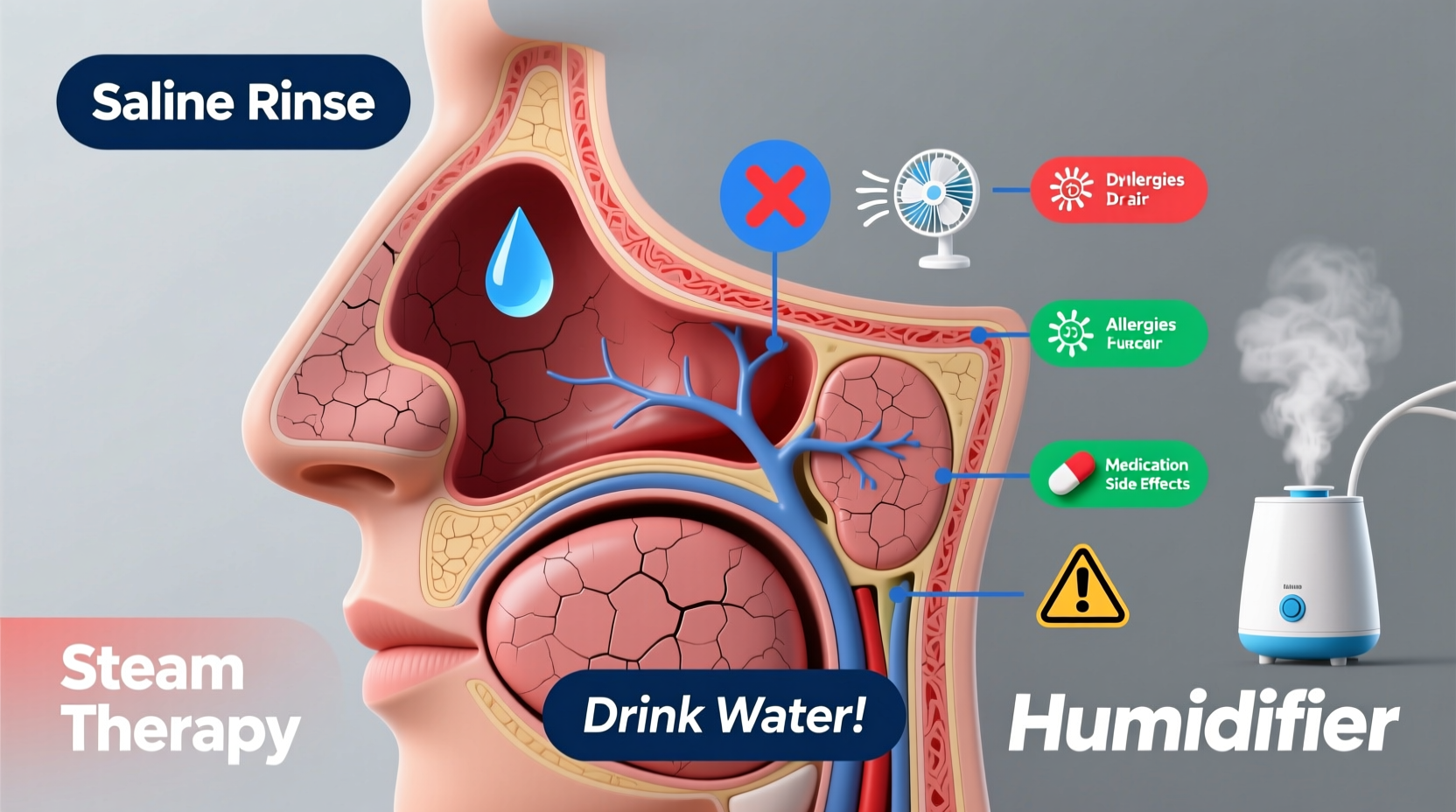
The sinuses are air-filled cavities in the skull lined with mucous membranes that produce mucus to trap dust, allergens, and pathogens. When these membranes don’t produce enough moisture, the tissues become irritated, inflamed, and prone to cracking. Several factors contribute to this imbalance:
- Low humidity environments: Indoor heating systems, especially during winter, strip moisture from the air, drying out nasal passages.
- Dehydration: Not drinking enough water reduces overall bodily fluid levels, including mucus production.
- Allergies and irritants: Chronic exposure to smoke, chemicals, or allergens can inflame and desiccate sinus tissue.
- Medications: Antihistamines, decongestants, certain blood pressure drugs, and antidepressants often list dry nasal passages as a side effect.
- Autoimmune conditions: Sjögren’s syndrome directly affects moisture-producing glands, leading to dry eyes, mouth, and sinuses.
- Nasal surgery or trauma: Procedures like septoplasty or long-term use of nasal sprays can alter natural moisture regulation.
“Dry sinuses aren’t always about lack of water intake—it’s often a combination of environment, medication, and physiology.” — Dr. Lena Patel, ENT Specialist at Midwest Sinus InstituteTip: Monitor indoor humidity levels using a hygrometer; ideal indoor humidity ranges between 40% and 60%.
Recognizing Symptoms of Dry Sinuses
Dry sinuses may not cause pain initially, but they do produce telltale signs. Recognizing them early helps prevent complications such as nosebleeds or secondary infections.
Common symptoms include:
- Burning or stinging sensation inside the nose
- Frequent nosebleeds (epistaxis)
- Congestion despite no mucus production
- Crusting or scabbing inside the nostrils
- Postnasal drip due to thick, sticky mucus
- Irritated throat from mouth breathing
In more severe cases, prolonged dryness increases vulnerability to bacterial or fungal sinusitis because the protective mucus barrier is compromised. This is particularly concerning for individuals with weakened immune systems or chronic respiratory conditions.
Effective Relief and Treatment Options
Treatment for dry sinuses focuses on restoring moisture, reducing irritation, and addressing contributing factors. A multi-pronged approach typically yields the best results.
1. Humidify Your Environment
Using a cool-mist humidifier in bedrooms or workspaces adds essential moisture to dry air. Ultrasonic models are quiet and efficient, while evaporative types include filters that reduce mold and mineral dispersion.
2. Nasal Saline Therapy
Regular use of saline sprays or rinses helps rehydrate nasal tissues. For deeper penetration, consider a neti pot or squeeze bottle with sterile saline solution.
| Method | Frequency | Best For |
|---|---|---|
| Saline nasal spray | 2–4 times daily | Quick relief, portable use |
| Nasal irrigation (neti pot) | Once daily or every other day | Deep cleansing, chronic dryness |
| Gel-based nasal moisturizers | 1–2 times daily (especially at night) | Severe dryness, crusting |
3. Stay Hydrated
Drinking sufficient water—typically 8–10 glasses per day—supports healthy mucus production. Warm liquids like herbal teas or broths may offer additional soothing effects.
4. Use Nasal Emollients
Petroleum-free nasal gels or ointments containing ingredients like aloe vera, vitamin E, or hyaluronic acid provide long-lasting moisture without damaging lung tissue if aspirated.
Tip: Apply nasal gel before bed to combat overnight drying caused by heated rooms or mouth breathing.Step-by-Step Guide to Managing Dry Sinuses
Follow this five-step routine to restore sinus health over time:
- Assess your environment: Check humidity levels in your home and workplace. If below 40%, introduce a humidifier.
- Begin saline therapy: Start with a gentle saline spray twice daily. After a week, add nasal irrigation if congestion persists.
- Evaluate medications: Review prescriptions and OTC drugs with your doctor. Ask whether alternatives exist with fewer drying effects.
- Adopt internal hydration: Increase water intake gradually and avoid excessive caffeine or alcohol, which promote dehydration.
- Moisturize internally: Apply a small amount of nasal emollient inside each nostril at bedtime using a clean fingertip or applicator.
After two weeks, reassess symptoms. Improvement should be noticeable. If not, consult an otolaryngologist for further evaluation.
Mini Case Study: Office Worker with Chronic Dry Nose
Sarah, a 38-year-old data analyst, experienced frequent nosebleeds and nasal burning during winter months. Working in an air-conditioned office with overhead fans, she attributed it to colds—until her primary care provider identified dry sinuses exacerbated by low humidity and antihistamine use for seasonal allergies.
Her treatment plan included switching to a non-drying allergy medication, using a desktop humidifier, performing nightly saline rinses, and applying a hyaluronic acid-based nasal gel. Within three weeks, her symptoms resolved completely. Follow-up after six months showed no recurrence when preventive measures were maintained.
Do’s and Don’ts of Sinus Moisture Management
| Do | Avoid |
|---|---|
| Use distilled or sterilized water for nasal rinses | Tap water in neti pots (risk of infection) |
| Run a humidifier in dry environments | Overusing decongestant sprays |
| Drink plenty of fluids throughout the day | Smoking or exposure to secondhand smoke |
| Apply petroleum-free nasal moisturizers | Inserting cotton swabs deep into nostrils |
| Keep bedroom temperature moderate | Sleeping under direct heat vents |
FAQ
Can dry sinuses cause headaches?
Yes. Dryness can lead to inflammation and tension in sinus cavities, triggering pressure-like headaches, especially around the forehead, cheeks, or bridge of the nose.
Is it safe to use Vaseline in the nose?
No. While it may seem helpful, petroleum jelly can be inhaled unknowingly during sleep and accumulate in the lungs, potentially causing lipoid pneumonia. Use only FDA-cleared nasal moisturizers instead.
How long does it take to recover from dry sinuses?
With consistent care, most people notice improvement within 7–14 days. Full recovery depends on eliminating contributing factors and maintaining hydration practices long-term.
When to See a Doctor
Mild dryness often resolves with self-care. However, seek medical attention if you experience:
- Recurrent nosebleeds lasting more than 20 minutes
- Signs of infection (yellow/green discharge, fever, facial pain)
- Symptoms persisting beyond three weeks despite treatment
- Known autoimmune disorders like Sjögren’s syndrome
An ENT specialist can perform nasal endoscopy, assess gland function, or recommend prescription therapies such as topical antibiotics for cracked tissue or immunomodulators for autoimmune-related dryness.
Conclusion
Dry sinuses are uncomfortable but manageable with the right knowledge and tools. By identifying triggers—whether environmental, medicinal, or physiological—and applying targeted remedies, most people achieve significant relief. The key lies in consistency: daily hydration, proper humidification, and gentle nasal care make all the difference.
💬 Have you found a method that works for your dry sinuses? Share your experience in the comments to help others find lasting relief.








