
Pores are a natural part of your skin’s structure—they allow sweat and sebum (natural oils) to reach the surface, helping keep your skin hydrated and protected. But when pores appear large or stretched, they can become a cosmetic concern, especially in areas like the nose, cheeks, and forehead. While you can’t change your genetics or completely eliminate pores, understanding what makes them look bigger and how to manage them can lead to visibly refined skin over time.
Enlarged pores aren’t just a surface-level issue. They’re influenced by a mix of biological, environmental, and behavioral factors. The good news is that with consistent care and the right approach, their appearance can be significantly reduced.
What Causes Pores to Look Larger?
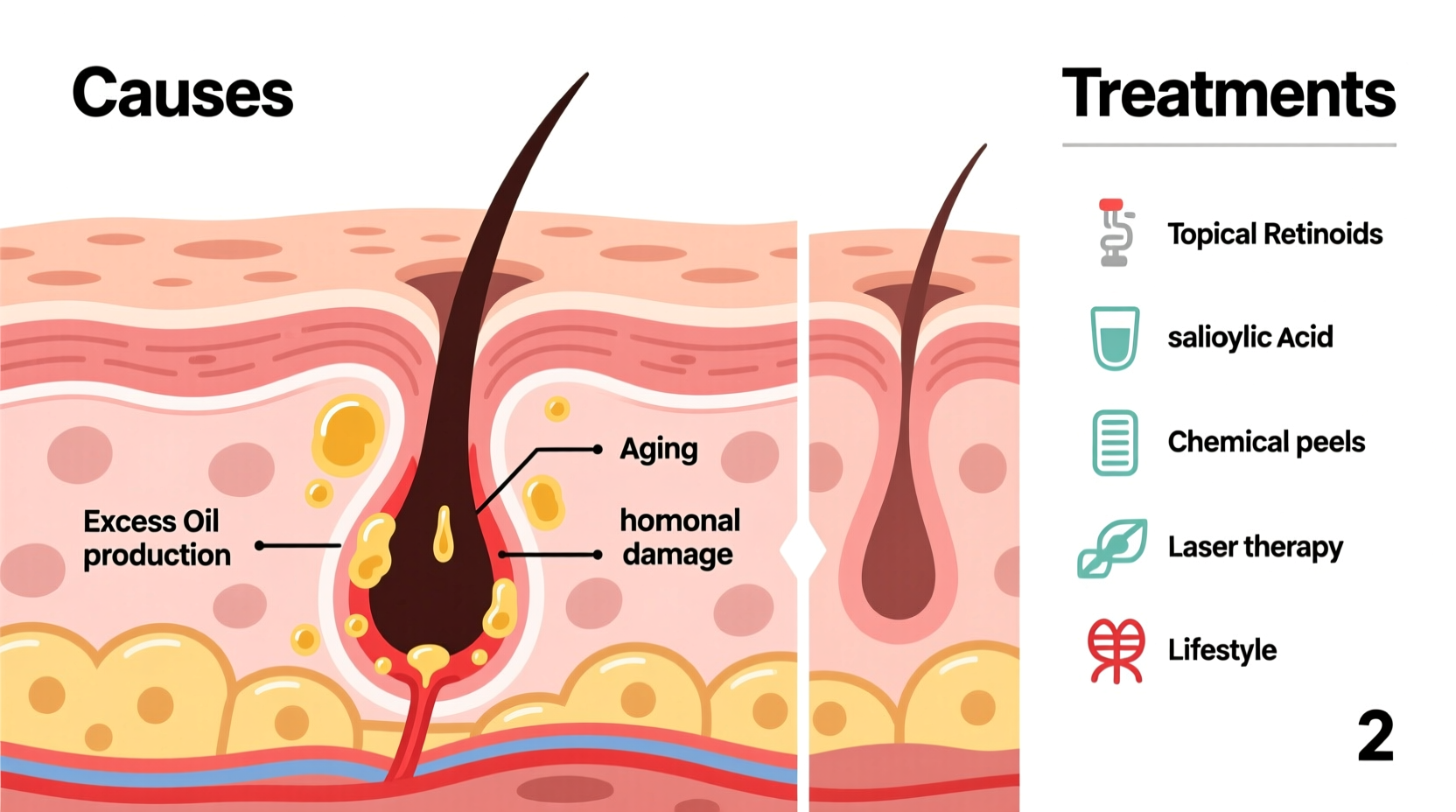
Pore size is largely determined by genetics, but several external and internal factors can make them appear more prominent. Understanding these causes is the first step toward effective treatment.
- Excess Sebum Production: Oily skin increases sebum output, which can stretch pore walls over time, making them look larger.
- Aging: As collagen and elastin decline with age, skin loses firmness. This loss of structural support causes pores to sag and appear wider.
- Sun Damage: UV exposure breaks down collagen and thickens the skin’s outer layer, contributing to enlarged pores.
- Clogged Pores: A buildup of dead skin cells, oil, and debris can stretch pores outward, creating a dilated appearance.
- Improper Skincare: Harsh cleansers, over-exfoliation, or skipping cleansing altogether can worsen pore visibility.
“Pore size isn’t just about oil—it’s a combination of genetics, sun damage, and how well your skin maintains its structural integrity.” — Dr. Lena Torres, Board-Certified DermatologistTip: Never skip sunscreen—even on cloudy days. Daily UV protection helps preserve collagen and prevents further pore enlargement.
Effective Treatments to Minimize Pore Appearance
No treatment can permanently shrink pores, but several clinically backed methods can make them appear smaller by improving skin texture, clearing blockages, and boosting elasticity.
Topical Ingredients That Work
The foundation of any pore-refining regimen lies in consistent use of active ingredients. These compounds target different aspects of pore health:
| Ingredient | How It Helps | Best For |
|---|---|---|
| Retinoids (e.g., retinol, tretinoin) | Boost cell turnover, prevent clogs, stimulate collagen | All skin types, especially aging or acne-prone |
| Niacinamide (Vitamin B3) | Regulates oil, reduces inflammation, tightens appearance | Oily and combination skin |
| Salicylic Acid | Exfoliates inside pores, dissolves oil and debris | Acne-prone, oily skin |
| Glycolic Acid | Removes dead skin, smooths texture, enhances radiance | Dull or textured skin |
| Hyaluronic Acid | Hydrates without clogging, plumps surrounding skin | Dry or sensitive skin |
For best results, combine ingredients carefully. For example, using niacinamide before a retinoid can reduce irritation while enhancing efficacy.
Professional Procedures
When topical treatments plateau, dermatological procedures offer deeper correction. These should be performed by licensed professionals and tailored to skin type.
- Chemical Peels: Medium-depth peels using glycolic or salicylic acid remove damaged layers and tighten pores.
- Laser Resurfacing: Fractional lasers like Fraxel stimulate collagen and remodel skin texture over several sessions.
- Microneedling: Tiny punctures trigger healing responses, increasing collagen and reducing pore size over time.
- Radiofrequency (RF) Therapy: Delivers heat beneath the skin to tighten tissue and improve elasticity.
Results vary, but most patients see noticeable improvement after 3–6 sessions spaced 4–6 weeks apart.
Step-by-Step Guide to a Pore-Minimizing Routine
A structured daily routine is more effective than occasional treatments. Follow this timeline to build long-term results:
- AM: Cleanse Gently
Use a water-based, non-comedogenic cleanser to remove overnight oil without stripping moisture. - Apply Antioxidant Serum (e.g., Vitamin C)
Fights free radicals and supports skin repair, preventing oxidative stress that weakens pore walls. - Moisturize Lightly
Even oily skin needs hydration. Choose an oil-free, non-comedogenic formula. - Finish with SPF 30+
Essential every morning to prevent collagen breakdown. - PM: Double Cleanse if Wearing Makeup
Start with an oil-based cleanser to dissolve makeup, then follow with a water-based one. - Treat with Active Ingredients
Alternate retinoids (2–3 nights/week) with exfoliants like AHAs/BHAs (1–2 nights/week). - Weekly Clay Mask (1x/week)
Absorbs excess oil and clears debris from pores—ideal for T-zone areas.
Common Mistakes That Make Pores Worse
Some habits intended to help actually exacerbate the problem. Avoid these pitfalls:
- Overwashing Your Face: Stripping natural oils triggers rebound oil production, enlarging pores.
- Using Alcohol-Based Toners: Drying formulas disrupt the skin barrier and increase shine.
- Squeezing Blackheads: Physical pressure stretches pore walls and risks scarring.
- Skipping Moisturizer: Dehydrated skin produces more oil, worsening congestion.
- Inconsistent Sun Protection: Cumulative UV damage thins skin around pores, making them more visible.
“Patients often think drying out their skin will fix large pores. In reality, balance is key—over-drying leads to more oil and larger-looking pores.” — Dr. Rajiv Mehta, Cosmetic Dermatologist
Mini Case Study: Realistic Results Over Time
Sarah, a 32-year-old office worker with combination skin, struggled with visibly large pores on her nose and cheeks. She used harsh scrubs and blotting papers daily, believing she needed to “dry out” her T-zone. After months of minimal improvement, she consulted a dermatologist.
She was advised to stop scrubbing and switch to a gentle foaming cleanser, apply niacinamide serum twice daily, and use retinol three times a week at night. She also began wearing SPF 35 every morning, even indoors.
Within eight weeks, her skin felt smoother and appeared less shiny. By month four, close-up photos showed tighter pores and fewer clogs. No drastic changes—just consistency and the right products.
Sarah’s experience reflects a common truth: sustainable results come from balanced care, not aggressive measures.
Checklist: Build Your Pore-Refining Plan
Use this checklist to assess and upgrade your current routine:
- ✅ Use a gentle, non-abrasive cleanser twice daily
- ✅ Apply a niacinamide serum in the morning
- ✅ Incorporate retinol or prescription retinoid 2–3 nights a week
- ✅ Exfoliate with BHA (salicylic acid) 1–2 times weekly
- ✅ Wear broad-spectrum sunscreen every day
- ✅ Avoid touching or picking at your face
- ✅ Schedule a professional peel or microneedling session every 3–6 months
FAQ
Can pores open and close?
No. Pores don’t have muscles to open or close. Steam may loosen debris inside pores, making extractions easier, but it doesn’t physically alter pore size.
Do cold showers tighten pores?
Temporarily, yes. Cold water causes slight constriction of blood vessels and skin, giving a tightened look. However, the effect is short-lived and doesn’t change pore structure.
Is pore vacuuming safe?
At-home pore vacuums can cause bruising, broken capillaries, or stretched pores if used incorrectly. Dermatologists recommend professional extraction instead.
Conclusion: Take Control of Your Skin’s Texture
Large pores are a common concern, but they don’t define your skin’s health or beauty. With the right knowledge and routine, you can significantly reduce their appearance and build stronger, more resilient skin over time. Focus on consistency, protect against sun damage, and choose products backed by science—not hype.
🚀 Start tonight: Replace one harsh product with a gentler alternative and add sunscreen to your morning ritual. Small steps lead to lasting transformation.








