Lips that gradually darken or turn brown can be concerning, especially when the change is unexpected. While some variation in lip color is normal due to genetics or sun exposure, a noticeable shift toward brown pigmentation often signals an underlying cause. From lifestyle habits to medical conditions, several factors can contribute to this discoloration. Understanding the root causes and available treatments is essential for restoring confidence and maintaining healthy lips.
Common Causes of Brown Lips
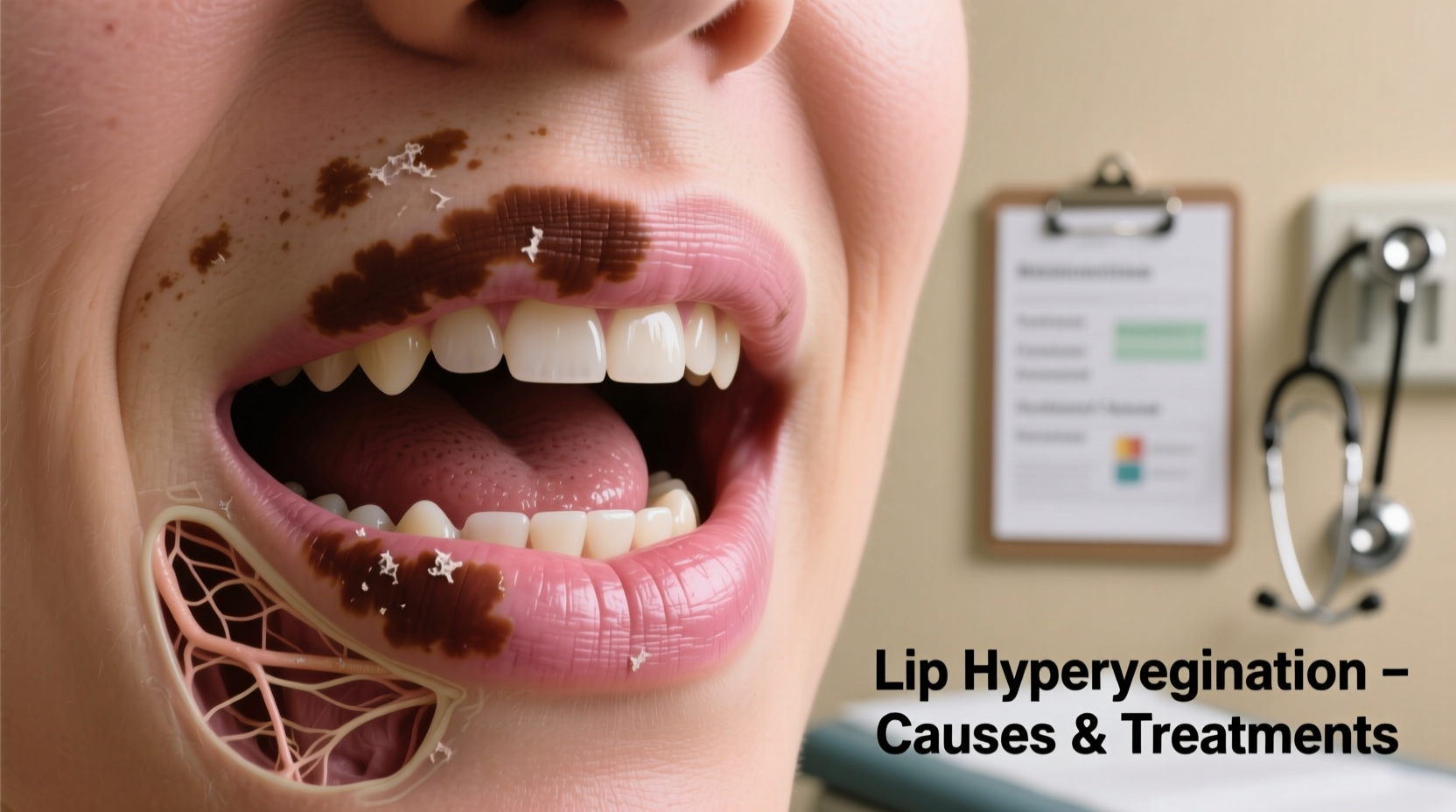
Brown discoloration of the lips—also known as hyperpigmentation—can stem from both external and internal sources. Identifying the trigger is the first step toward effective management.
- Sun Exposure: Ultraviolet (UV) rays stimulate melanin production, leading to darkening of the lips over time. Unlike facial skin, lips have little melanin protection, making them more vulnerable to UV damage.
- Smoking: Chronic smoking introduces toxins that reduce blood flow and increase melanin deposits. Nicotine and tar can stain the lips, resulting in a brownish tint, particularly along the lip line.
- Allergic Reactions: Certain cosmetics, toothpastes, or lip products containing fragrances or preservatives may trigger contact dermatitis, causing inflammation and post-inflammatory hyperpigmentation.
- Nutritional Deficiencies: Deficiencies in vitamins like B12, iron (leading to anemia), or vitamin C can affect blood circulation and skin health, contributing to dull, darkened lips.
- Hormonal Changes: Conditions such as Addison’s disease or melasma can lead to increased melanin production, affecting not only the face but also the lips.
- Medications: Some drugs—including antimalarials, chemotherapy agents, and certain antibiotics—may induce pigmentation changes as a side effect.
Medical Conditions Linked to Lip Darkening
In some cases, brown lips are a symptom of systemic health issues. Recognizing these signs early can prompt timely diagnosis and treatment.
“Persistent lip pigmentation without a clear cause should be evaluated by a dermatologist. It could indicate endocrine disorders or autoimmune conditions.” — Dr. Lena Patel, Board-Certified Dermatologist
Key medical concerns include:
- Addison’s Disease: A rare disorder where the adrenal glands don’t produce enough hormones. One visible sign is hyperpigmentation of the lips, gums, and skin folds.
- Peutz-Jeghers Syndrome: A genetic condition characterized by dark spots on the lips and inside the mouth, often appearing in childhood.
- Chronic Dehydration: Long-term lack of hydration leads to dry, cracked lips that appear darker due to dead skin buildup and reduced microcirculation.
- Oral Lichen Planus: An inflammatory condition that may cause lacy white patches or dark discoloration on the lips and inside the mouth.
Treatment Options for Brown Lips
Treatment depends on the underlying cause. Addressing lifestyle factors often yields improvement, while medical interventions may be necessary for persistent cases.
1. Topical Lightening Agents
Certain creams can reduce melanin production. Common ingredients include:
- Kojic acid
- Azelaic acid
- Vitamin C serums
- Niacinamide
These should be used under dermatological guidance to prevent irritation.
2. Laser Therapy
Q-switched lasers target excess pigment in the lips, breaking it down for natural elimination. Multiple sessions are typically required, and results vary based on skin type and cause.
3. Chemical Peels
Gentle peels using glycolic or lactic acid exfoliate the top layer of lip skin, reducing surface-level pigmentation. Professional application is recommended to avoid burns.
4. Lifestyle Adjustments
Eliminating triggers such as smoking, excessive sun exposure, and allergenic products can reverse discoloration over time.
| Treatment | Effectiveness | Time to See Results | Risk Level |
|---|---|---|---|
| Sunscreen & Protection | Moderate (preventive) | 2–3 months | Low |
| Topical Lighteners | High (with consistent use) | 4–8 weeks | Low-Moderate |
| Laser Therapy | Very High | After 2–3 sessions | Moderate |
| Chemical Peels | Moderate-High | 3–6 weeks | Moderate |
Step-by-Step Guide to Restoring Natural Lip Color
If you're concerned about brown lips, follow this structured approach to address the issue safely and effectively:
- Assess Your Habits: Track smoking, sun exposure, and product usage. Eliminate potential irritants.
- Hydrate Daily: Drink at least 8 glasses of water and use a fragrance-free lip balm with SPF 30+ every day.
- Improve Nutrition: Incorporate iron-rich foods (spinach, lentils), vitamin B12 (eggs, fish), and antioxidants (berries, citrus).
- Try Gentle Exfoliation: Use a soft toothbrush or sugar scrub 1–2 times per week to remove dead skin.
- Introduce Brightening Products: Start with a low-concentration vitamin C serum or niacinamide-based lip treatment.
- Consult a Dermatologist: If no improvement occurs within 8 weeks, seek professional evaluation for medical causes.
Mini Case Study: Reversing Smoking-Induced Lip Discoloration
Sarah, a 34-year-old office worker, noticed her lower lip gradually turning brown over two years. She smoked 10 cigarettes daily and rarely used lip protection. After consulting a dermatologist, she was diagnosed with nicotine-induced hyperpigmentation. Sarah quit smoking, began using a hydrating SPF lip balm, and applied a kojic acid serum nightly. Within three months, her lip color improved significantly. By six months, the brown tint had faded by over 80%, with continued progress noted during follow-up visits.
Tip: Quitting smoking not only improves lip color but also enhances overall oral and cardiovascular health.Prevention Checklist
To maintain naturally pink, healthy lips, follow this actionable checklist:
- ✅ Apply SPF 30+ lip balm daily, even in winter
- ✅ Stay hydrated—aim for 2 liters of water per day
- ✅ Avoid licking your lips; saliva accelerates dryness and darkening
- ✅ Read labels on toothpaste and lip products; avoid sodium lauryl sulfate and artificial fragrances
- ✅ Eat a balanced diet rich in vitamins B12, C, E, and iron
- ✅ Schedule annual skin checks if you have a history of pigmentation issues
Frequently Asked Questions
Can dehydration really make my lips darker?
Yes. Chronic dehydration causes the lips to become dry, chapped, and flaky. As dead skin accumulates, the lips appear darker. Improved hydration and moisturization often restore a healthier appearance.
Is it safe to use skin lightening creams on my lips?
Only if formulated specifically for the lips and used under medical supervision. The lip area is delicate; harsh ingredients like hydroquinone can cause irritation or rebound pigmentation if misused.
How long does it take to see results from treatment?
With consistent care, most people notice improvement within 4 to 8 weeks. Full correction may take 3 to 6 months, depending on the cause and treatment method.
Conclusion
Brown lips are often reversible with the right approach. Whether the cause is environmental, behavioral, or medical, identifying the source allows for targeted treatment. Simple changes—like applying sunscreen, quitting smoking, or adjusting your diet—can yield visible improvements. For persistent cases, professional treatments offer effective solutions. Healthy lips reflect overall well-being, so prioritize care and consult a specialist when needed.
🚀 Take action today: Start with one change—wear SPF lip balm or drink more water—and build a routine that supports lasting lip health. Share your journey or questions in the comments below!








