
Excessive hand sweating, known medically as palmar hyperhidrosis, affects millions of people worldwide. While sweating is a natural bodily function designed to regulate temperature, excessive perspiration in the palms can be socially disruptive, professionally limiting, and emotionally distressing. Unlike normal sweating, which occurs in response to heat or exertion, palmar hyperhidrosis often strikes without an obvious trigger—during meetings, while shaking hands, or even at rest. Understanding the underlying causes, recognizing when to seek help, and exploring available treatments can transform daily life for those affected.
What Causes Excessive Hand Sweating?
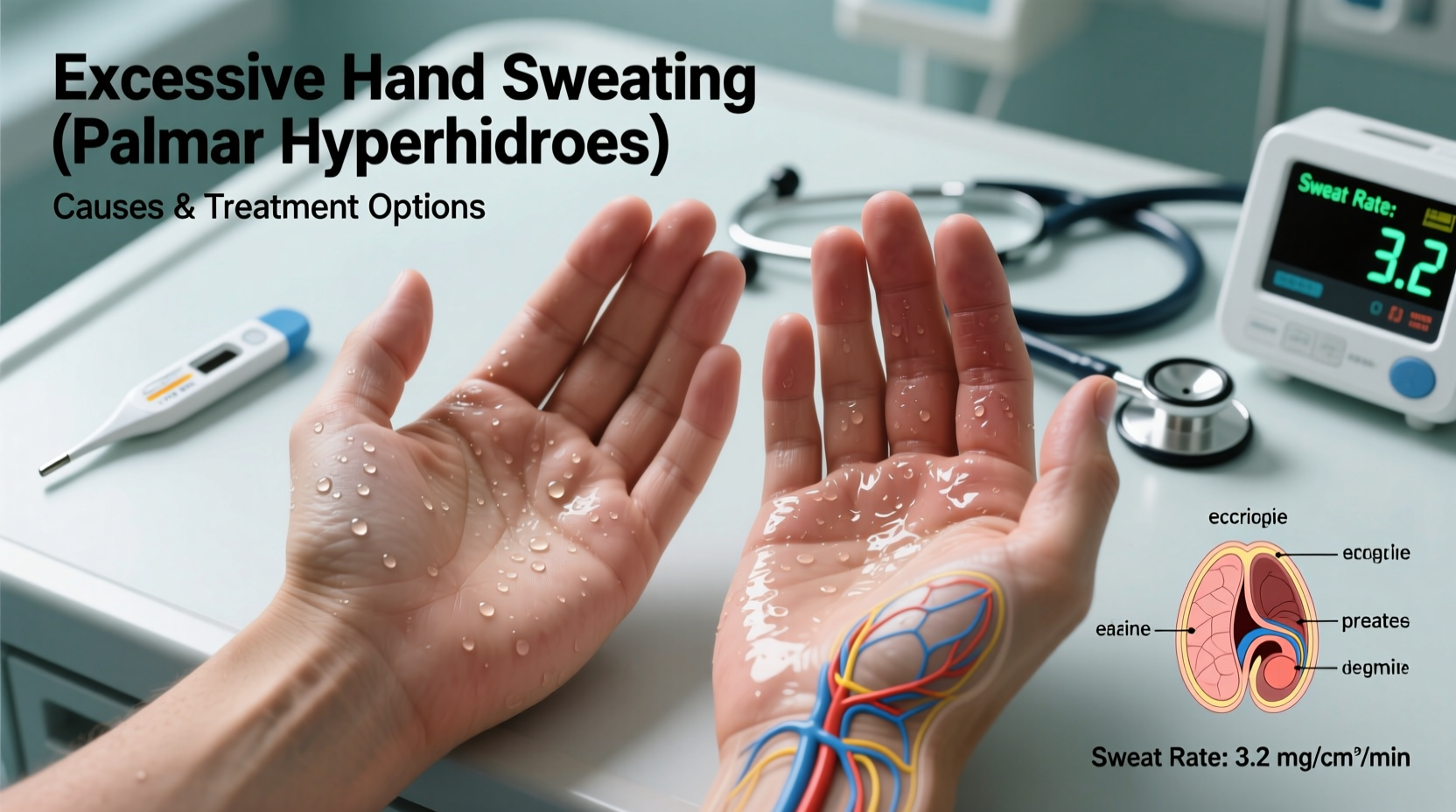
Palmar hyperhidrosis results from overactivity in the sympathetic nervous system, which controls the body’s sweat glands. In people with this condition, the nerves that signal sweat production become overactive, even when cooling isn’t needed. This dysfunction can occur regardless of external temperature or physical activity.
Primary focal hyperhidrosis—the most common form affecting the hands—is typically idiopathic, meaning no underlying medical condition causes it. It often begins in childhood or adolescence and tends to run in families, suggesting a genetic component. Secondary hyperhidrosis, on the other hand, stems from an identifiable medical issue such as:
- Hyperthyroidism
- Type 2 diabetes
- Menopause or hormonal fluctuations
- Infections like tuberculosis
- Neurological disorders
- Certain medications (e.g., antidepressants)
Stress and anxiety don’t cause hyperhidrosis but can significantly worsen symptoms due to increased sympathetic nervous system activation. Emotional triggers like public speaking or social interactions may lead to sudden, profuse sweating episodes.
Tip: Keep a symptom diary tracking when and where sweating occurs, along with potential triggers like stress, food, or time of day. This helps identify patterns and supports accurate diagnosis.How Is Palmar Hyperhidrosis Diagnosed?
Diagnosis begins with a thorough clinical evaluation by a healthcare provider, often a dermatologist or neurologist. The doctor will assess the pattern, frequency, and impact of sweating on daily life. Key diagnostic criteria include:
- Symptoms lasting at least six months without a clear cause
- Visible, excessive sweating affecting both hands
- Episodes occurring at least once per week
- Onset before age 25
- Positive family history
- Disruption of daily activities or social functioning
- Absence of sweating during sleep
To rule out secondary causes, blood tests or imaging may be ordered to check thyroid function, glucose levels, or signs of infection. A starch-iodine test may also be used: an iodine solution is applied to the palms, followed by starch powder. When sweat reacts with the mixture, it turns dark blue, visually confirming areas of high perspiration.
“Palmar hyperhidrosis is more than a nuisance—it can impair fine motor tasks, damage electronics, and create social anxiety. Early diagnosis opens the door to effective management.” — Dr. Lena Patel, Board-Certified Dermatologist
Treatment Options: From Conservative to Advanced
Effective treatment depends on severity, lifestyle, and patient preference. Most cases respond well to non-invasive therapies, though severe cases may require surgical intervention.
Topical Treatments
Over-the-counter or prescription antiperspirants containing aluminum chloride hexahydrate are often the first line of defense. Applied nightly to dry hands, they block sweat ducts. While effective, they can cause skin irritation if not used properly.
Iontophoresis
This FDA-approved therapy involves placing hands in shallow trays of water through which a mild electrical current passes. The current temporarily disables sweat glands. Sessions last 20–30 minutes and are typically done 2–3 times per week until results appear, then reduced to maintenance schedules. Studies show up to 85% efficacy with consistent use.
Oral Medications
Anticholinergic drugs like glycopyrrolate reduce overall sweat production by blocking acetylcholine, a neurotransmitter that activates sweat glands. However, side effects such as dry mouth, blurred vision, constipation, and urinary retention limit long-term use.
Botox Injections
Botulinum toxin type A (Botox) injections temporarily paralyze the nerves responsible for sweat production. Administered directly into the palms, effects typically last 4–7 months. Though highly effective, the procedure can be painful and requires multiple injections per session.
Endoscopic Thoracic Sympathectomy (ETS)
Reserved for severe, treatment-resistant cases, ETS is a surgical procedure that cuts or clamps the sympathetic nerves controlling hand sweating. While success rates exceed 95%, it carries risks including compensatory sweating (excessive sweating in other body areas), gustatory sweating, and nerve damage. Due to potential complications, surgery is considered only after all conservative options fail.
| Treatment | Effectiveness | Duration | Side Effects |
|---|---|---|---|
| Aluminum Chloride | Moderate | Daily application | Skin irritation |
| Iontophoresis | High | Weekly sessions | Mild discomfort |
| Oral Anticholinergics | Moderate | Ongoing | Dry mouth, constipation |
| Botox | Very High | 4–7 months | Pain, bruising |
| ETS Surgery | Very High | Permanent | Compensatory sweating |
Real-Life Example: Managing Symptoms at Work
James, a 29-year-old software developer, struggled with sweaty hands since high school. He avoided team meetings, hated using shared keyboards, and felt embarrassed during client calls. After years of ignoring the issue, he consulted a dermatologist who diagnosed primary palmar hyperhidrosis. James started iontophoresis three times a week and noticed improvement within four weeks. Combined with absorbent palm pads in his work bag and confidence from reduced sweating, he began leading presentations confidently. His case highlights how early intervention and consistent treatment can restore professional and personal confidence.
Step-by-Step Guide to Managing Hand Sweating
If you’re dealing with persistent hand sweating, follow this practical timeline to regain control:
- Week 1–2: Track sweating episodes and potential triggers (stress, diet, environment).
- Week 3: Schedule a doctor’s visit to rule out underlying conditions.
- Month 1: Begin topical treatment with clinical-strength antiperspirant at night.
- Month 2: Introduce iontophoresis if topical treatment fails; aim for 3 sessions per week.
- Month 3–4: Evaluate progress. If insufficient, discuss Botox or oral medication with your provider.
- After 6 Months: Reassess with your doctor. Consider advanced options only if quality of life remains impaired.
Frequently Asked Questions
Can dehydration cause sweaty hands?
No—dehydration reduces overall fluid availability and typically decreases sweating. Excessive hand sweating is more likely linked to nerve overactivity or emotional stimuli rather than hydration status.
Is there a permanent cure for sweaty hands?
There is no universal “cure,” but many find long-term relief. ETS surgery offers permanent results for some, but carries significant risks. Most patients manage symptoms effectively with ongoing non-surgical treatments.
Can diet affect hand sweating?
While no direct link exists between specific foods and palmar sweating, stimulants like caffeine, spicy foods, and alcohol can trigger general sweating and exacerbate symptoms in sensitive individuals.
Tip: Carry small, discreet absorbent cloths or disposable wipes to manage moisture during the day. Microfiber gloves designed for grip enhancement can also help maintain dryness.Take Control of Your Comfort and Confidence
Living with chronically sweaty hands doesn’t have to be a lifelong burden. With accurate diagnosis and a personalized treatment plan, most people achieve meaningful improvement. Whether through simple lifestyle adjustments, medical therapies, or advanced procedures, solutions exist. Don’t let embarrassment delay care—consult a healthcare provider, explore your options, and take the first step toward drier, more confident hands today.
💬 Have you tried treatments for hand sweating? Share your experience or questions below—we’d love to hear what works for you.








