Warm hands are a common experience for many people, often dismissed as a minor bodily quirk. However, persistent or unexplained warmth in the hands can signal underlying health conditions ranging from circulatory changes to autoimmune disorders. While occasional warmth—especially after physical activity or in hot environments—is normal, chronic or one-sided warmth warrants closer attention. Understanding the root causes, recognizing warning signs, and knowing when to consult a healthcare provider can prevent complications and support long-term well-being.
Common Causes of Warm Hands
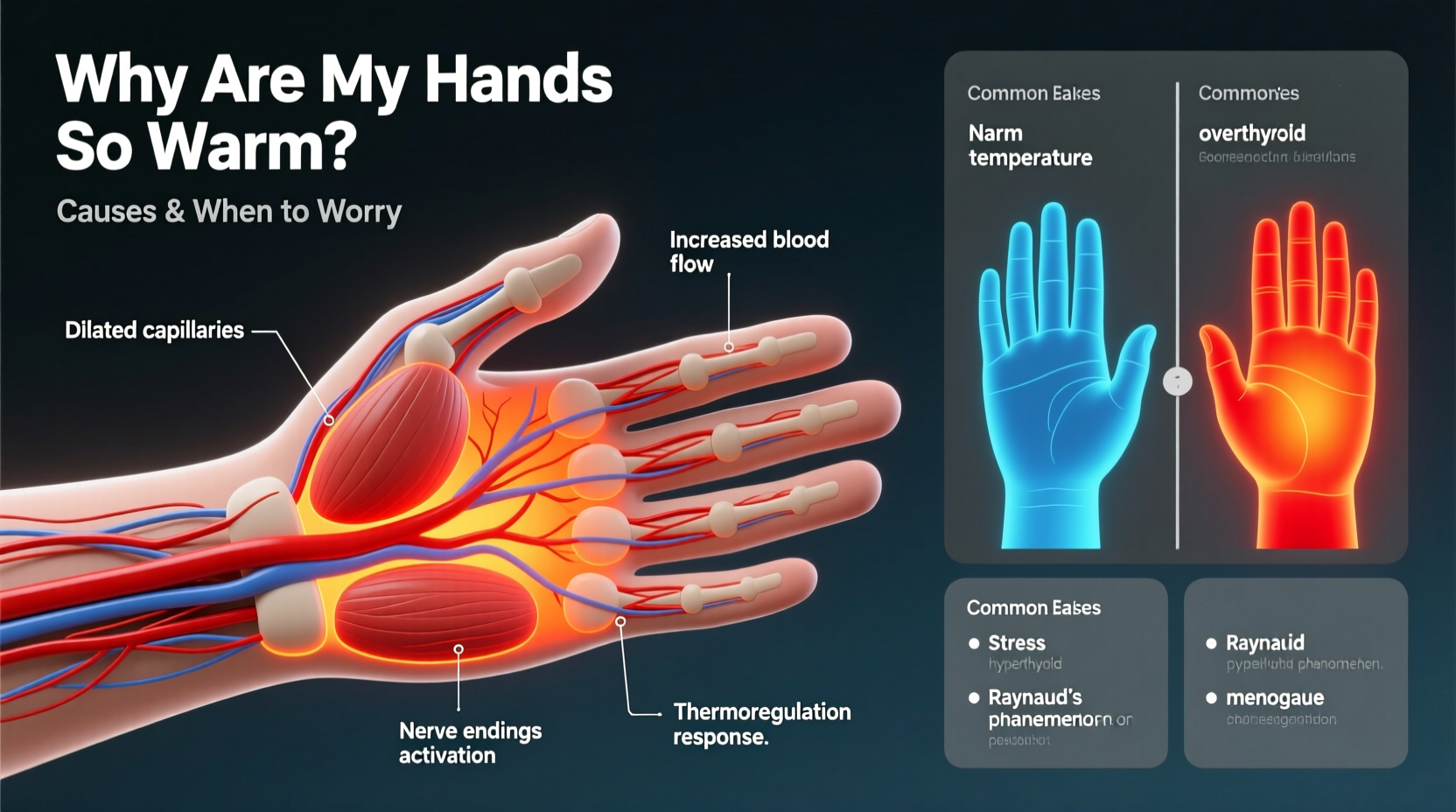
Several physiological and environmental factors contribute to the sensation of warm hands. These range from benign reactions to more systemic health issues.
- Blood circulation changes: Increased blood flow to the extremities, such as during exercise or emotional stress, naturally raises hand temperature.
- Hormonal fluctuations: Women may notice warmer hands during menstruation, pregnancy, or menopause due to shifts in estrogen levels affecting vascular tone.
- Environmental exposure: High ambient temperatures or wearing tight gloves can trap heat, leading to temporary warmth.
- Medication side effects: Vasodilators, certain antidepressants, and blood pressure medications can increase peripheral blood flow.
- Dietary influences: Spicy foods, caffeine, and alcohol trigger vasodilation, which may result in warm extremities.
In most cases, these causes are transient and resolve without intervention. However, when warmth persists or is accompanied by other symptoms, further evaluation is necessary.
Medical Conditions Linked to Persistent Warm Hands
Sustained warmth in the hands—particularly if unilateral (affecting only one hand) or associated with discoloration, swelling, or pain—can indicate an underlying medical condition.
Rheumatoid Arthritis (RA)
An autoimmune disorder that commonly affects the joints in the hands. Inflammation increases local blood flow and generates heat. Early signs include joint stiffness, redness, and symmetrical warmth in both hands.
“Patients with early rheumatoid arthritis often report their hands feeling 'hot' even before visible swelling appears.” — Dr. Lena Torres, Rheumatologist, Cleveland Clinic
Complex Regional Pain Syndrome (CRPS)
A rare neurological condition typically triggered by injury or surgery. One hallmark symptom is temperature asymmetry—one limb feels significantly warmer or cooler than the other. CRPS also involves severe pain, skin changes, and hypersensitivity.
Peripheral Neuropathy
Nerve damage from diabetes or vitamin deficiencies can disrupt temperature regulation. Some individuals perceive burning or warmth in the hands despite normal skin temperature.
Hyperthyroidism
An overactive thyroid gland accelerates metabolism, leading to increased body heat, sweating, and warm extremities. Other symptoms include weight loss, rapid heartbeat, and anxiety.
Raynaud’s Phenomenon (Early Phase)
While Raynaud’s is known for causing cold, pale fingers, the recovery phase often includes a flush of warmth as blood returns—a sign of reactive hyperemia.
Tip: If you notice one hand consistently warmer than the other, especially after trauma, see a doctor promptly—this could indicate nerve or vascular injury.When to Worry: Red Flags and Warning Signs
Not all warm hands require medical attention, but certain patterns suggest a need for professional assessment.
| Symptom | May Indicate | Action |
|---|---|---|
| One hand much warmer than the other | CRPS, localized infection, vascular blockage | See a neurologist or vascular specialist |
| Swelling, redness, pain | Infection, gout, inflammatory arthritis | Seek urgent care |
| Burning sensation with numbness | Neuropathy, carpal tunnel syndrome | Consult a neurologist |
| Warmth with rapid heart rate, weight loss | Hyperthyroidism | Endocrinology evaluation |
| Worsens with stress or cold | Vasospastic disorders | Monitor and discuss with GP |
Persistent unilateral warmth should never be ignored. A case study involving a 42-year-old office worker illustrates this: after a minor wrist sprain, he noticed his right hand remained persistently warm, swollen, and painful. Initially dismissed as post-injury inflammation, it was later diagnosed as CRPS. Early intervention with physical therapy and nerve modulators improved outcomes significantly.
Treatment and Management Options
Treatment depends on the underlying cause. Addressing the root issue is essential for lasting relief.
Step-by-Step Guide to Managing Warm Hands
- Track symptoms: Keep a daily log noting temperature changes, triggers, and associated symptoms like pain or fatigue.
- Assess lifestyle factors: Eliminate potential dietary triggers (spicy food, alcohol), and avoid overheating.
- Check medications: Review prescriptions with your doctor to identify possible vasodilatory side effects.
- Visit a primary care physician: Blood tests (TSH, inflammatory markers, glucose) can rule out thyroid issues, diabetes, or autoimmune diseases.
- Refer to specialists if needed: Rheumatologists, endocrinologists, or neurologists can provide targeted diagnosis and treatment.
For inflammatory conditions like RA, disease-modifying antirheumatic drugs (DMARDs) reduce inflammation and slow progression. In neuropathic cases, medications like gabapentin may alleviate abnormal temperature sensations. Physical therapy helps manage CRPS through desensitization and mobility exercises.
Home Care and Prevention Tips
- Avoid prolonged exposure to extreme heat.
- Use breathable cotton gloves in cold weather to maintain circulation without overheating.
- Practice stress-reduction techniques like deep breathing or meditation to minimize vasodilation from anxiety.
- Stay hydrated and maintain balanced blood sugar levels to support nerve and vascular health.
Frequently Asked Questions
Can anxiety make my hands feel warm?
Yes. Anxiety activates the sympathetic nervous system, triggering vasodilation in some people. This increases blood flow to the hands, creating a sensation of warmth, often accompanied by sweating.
Is it normal for hands to be warm at night?
Mild warmth at night can be normal due to the body’s natural thermoregulation during sleep. However, if it disrupts rest or is paired with tingling or pain, consider evaluating for neuropathy or hormonal imbalances.
Can diabetes cause warm hands?
Diabetes typically causes cold or numb hands due to poor circulation. However, early or fluctuating neuropathy can lead to paradoxical sensations, including burning or warmth. Regular foot and hand exams are crucial for diabetic patients.
Conclusion: Take Charge of Your Health
Warm hands are not always a cause for concern, but they shouldn’t be routinely overlooked either. The human body uses temperature signals to communicate internal changes—learning to interpret them empowers better self-care. Whether the cause is hormonal, neurological, or inflammatory, timely recognition leads to earlier treatment and improved outcomes. Don’t wait for symptoms to worsen. If warmth persists, spreads, or disrupts your daily life, consult a healthcare provider. Your hands may be telling you something important.
💬 Have you experienced unexplained warmth in your hands? Share your story or questions in the comments—your experience could help someone else find answers.








