Hand tremors—uncontrollable shaking or trembling in the hands—are more common than many realize. While occasional shaking after exertion or during moments of stress may be harmless, persistent or worsening tremors can signal an underlying health issue. Understanding the root causes, recognizing patterns, and knowing when to act can make a significant difference in managing symptoms and improving quality of life.
Tremors affect millions worldwide and vary widely in intensity, frequency, and triggers. Some people experience them only under specific conditions, while others deal with them daily. The good news is that most causes are treatable or manageable with proper diagnosis and care.
Common Causes of Hand Shaking
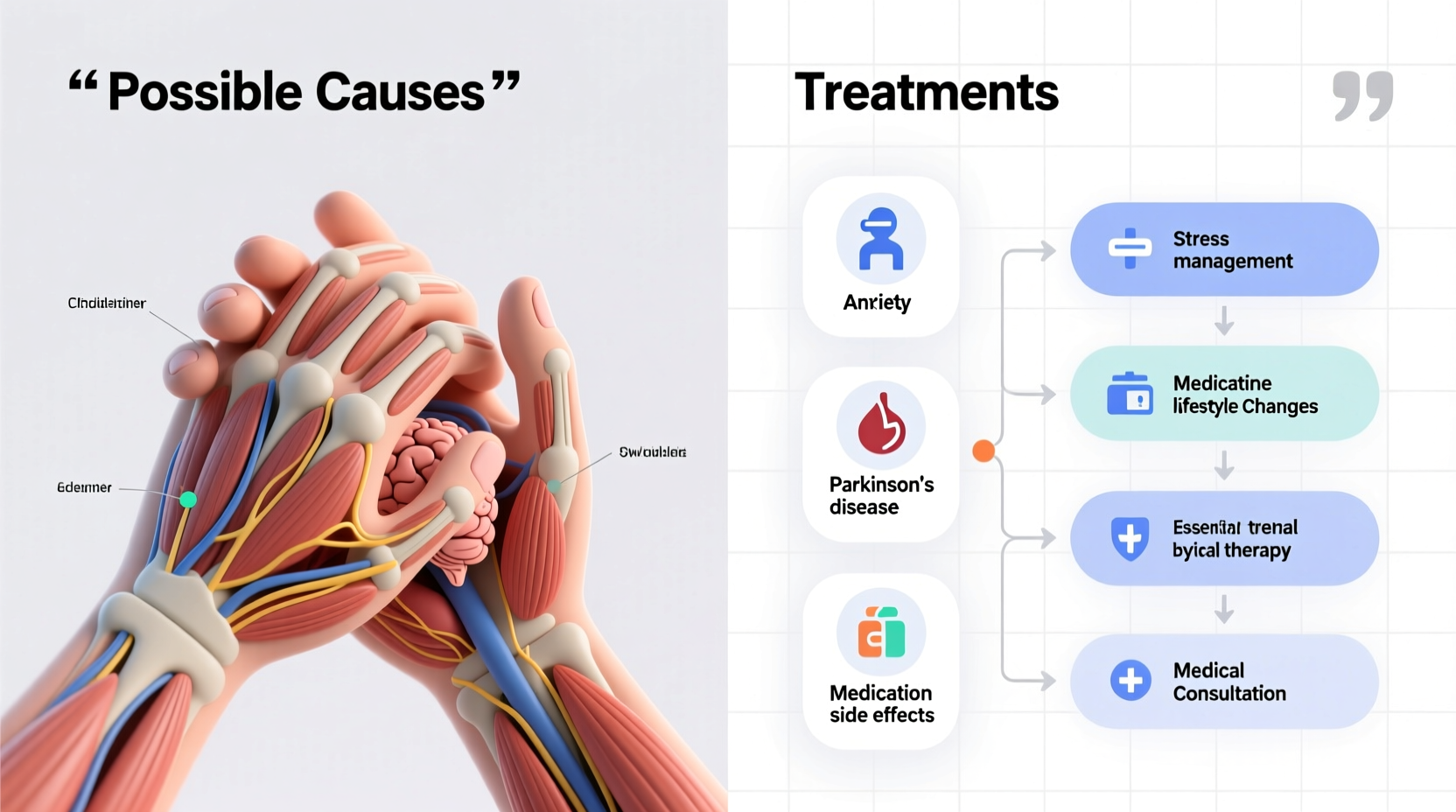
Hand tremors are not a disease in themselves but rather a symptom of various physiological or neurological conditions. The most frequent causes include:
- Essential Tremor: The most common movement disorder causing rhythmic shaking, typically in the hands during action (like writing or holding a cup).
- Parkinson’s Disease: Characterized by resting tremors, often starting in one hand with a “pill-rolling” motion.
- Anxiety and Stress: Acute stress triggers adrenaline release, leading to temporary shaking.
- Hypoglycemia: Low blood sugar can cause shakiness, sweating, and confusion—common in diabetics.
- Caffeine and Stimulants: Excessive coffee, energy drinks, or certain medications can induce jitteriness.
- Medication Side Effects: Drugs like asthma inhalers (albuterol), antidepressants, or corticosteroids may provoke tremors.
- Thyroid Overactivity (Hyperthyroidism): An overactive thyroid speeds up metabolism, often resulting in fine hand tremors.
- Neurological Conditions: Multiple sclerosis, stroke, or traumatic brain injury can disrupt motor control.
“Not all tremors are created equal. A detailed history and physical exam are essential to differentiate benign from serious causes.” — Dr. Lena Torres, Neurologist at Boston Movement Disorders Clinic
When to See a Doctor
Mild, infrequent shaking doesn’t always require immediate attention. However, certain red flags indicate it’s time to consult a healthcare provider:
Tip: Keep a symptom journal noting when tremors occur, their duration, and potential triggers (e.g., caffeine, stress, time of day).- Tremors worsen over weeks or months
- They interfere with daily tasks like eating, writing, or dressing
- You notice other symptoms: stiffness, slow movement, balance issues, or voice shaking
- Shaking begins on one side of the body and spreads
- There’s a family history of tremor disorders
Early evaluation helps rule out progressive neurological diseases and allows for timely intervention.
Diagnostic Process and Medical Evaluation
No single test confirms the cause of hand tremors. Doctors rely on a combination of clinical assessment and diagnostics:
- Medical History Review: Focus on onset, pattern, family history, medication use, and associated symptoms.
- Neurological Exam: Assesses coordination, muscle strength, reflexes, and tremor type (resting vs. action).
- Blood Tests: Check thyroid function, glucose levels, electrolytes, and liver/kidney markers.
- Imaging: MRI or CT scans may be ordered if structural brain abnormalities are suspected.
- Tremor Analysis: Specialized clinics may use electromyography (EMG) or accelerometers to characterize tremor frequency and distribution.
A neurologist, particularly one specializing in movement disorders, is best equipped to interpret these findings and provide a definitive diagnosis.
Treatment Options Based on Cause
Effective treatment depends entirely on identifying the underlying condition. Below is a comparison of common causes and their respective management strategies:
| Condition | Symptoms | Treatment Options |
|---|---|---|
| Essential Tremor | Worsens with movement; affects both hands; may involve head/voice | Beta-blockers (propranolol), anti-seizure meds (primidone), Botox injections, deep brain stimulation (severe cases) |
| Parkinson’s Disease | Resting tremor, rigidity, slow movement, postural instability | Levodopa, dopamine agonists, MAO-B inhibitors, physical therapy |
| Hyperthyroidism | Fine tremors, weight loss, heat intolerance, rapid heartbeat | Antithyroid drugs, radioactive iodine, beta-blockers for symptom control |
| Anxiety-Induced Tremors | Episodic shaking during panic attacks or chronic stress | Cognitive behavioral therapy (CBT), SSRIs, relaxation techniques, breathing exercises |
| Drug-Induced Tremors | Onset shortly after starting new medication | Dose adjustment or discontinuation under medical supervision |
Lifestyle Adjustments That Help Reduce Tremors
In addition to medical treatment, several non-pharmacological approaches can reduce tremor severity:
- Limit Caffeine and Alcohol: Both can exacerbate tremors. Gradual reduction is safer than abrupt cessation, especially with alcohol.
- Practice Stress Management: Techniques such as mindfulness meditation, yoga, and diaphragmatic breathing lower sympathetic nervous system activity.
- Use Adaptive Tools: Weighted utensils, slip-on clothing, and voice-to-text software minimize functional limitations.
- Maintain Stable Blood Sugar: Eat balanced meals with protein and complex carbs to prevent hypoglycemic episodes.
- Stay Hydrated and Well-Rested: Dehydration and fatigue can intensify tremors.
Real-Life Example: Managing Essential Tremor
James, a 58-year-old teacher, began noticing his right hand shaking when writing on the whiteboard. At first, he dismissed it as fatigue. Over six months, the tremor worsened, affecting his handwriting and making him avoid signing documents in front of students.
After visiting a neurologist, James was diagnosed with essential tremor. His doctor prescribed low-dose propranolol and recommended occupational therapy. He also started using a weighted pen and reduced his morning coffee intake. Within two months, his tremor improved significantly, and he regained confidence in the classroom.
This case illustrates how early diagnosis and a multifaceted approach can restore normal function and emotional well-being.
Step-by-Step Guide to Responding to Persistent Hand Tremors
- Observe and Document: Note when tremors occur, how long they last, and any triggers (e.g., stress, caffeine).
- Review Medications: Check if any current prescriptions or supplements list tremors as a side effect.
- Reduce Modifiable Triggers: Cut back on caffeine, manage stress, ensure adequate sleep.
- Schedule a Doctor’s Visit: Bring your symptom log and medication list.
- Follow Through on Testing: Complete blood work, imaging, or referrals as advised.
- Begin Treatment Plan: Whether medication, therapy, or lifestyle changes, consistency is key.
- Monitor Progress: Track improvements or side effects and report them at follow-up appointments.
Frequently Asked Questions
Can dehydration cause shaky hands?
Yes. Dehydration affects electrolyte balance and nerve function, potentially leading to muscle twitching or tremors. Rehydrating with water or oral rehydration solutions often resolves the issue quickly.
Are hand tremors a sign of a heart problem?
Not directly. However, conditions like hyperthyroidism or severe anxiety—which can cause tremors—also increase heart rate and blood pressure. If tremors accompany chest pain or palpitations, seek prompt medical evaluation.
Is there a cure for essential tremor?
There is no cure, but symptoms can be well-controlled with medication, therapy, or surgical options like deep brain stimulation in severe cases. Many people live full, active lives with proper management.
Tip: If tremors occur mainly during tasks, try bracing your arm against your body or using both hands for stability.Conclusion: Take Control of Your Symptoms
Shaky hands can be unsettling, but they’re rarely a standalone emergency. More often, they’re a signal from your body asking for attention. Whether due to stress, a medical condition, or medication side effects, identifying the cause is the first step toward relief.
Don’t dismiss persistent tremors as just part of aging. With accurate diagnosis and a personalized plan, most people see meaningful improvement. If you or a loved one is experiencing unexplained hand shaking, take action today—track symptoms, consult a professional, and explore solutions. Your hands play a vital role in everyday life; giving them the care they deserve can transform your confidence and independence.
💬 Have questions about your tremor symptoms? Share your experience or ask for advice in the comments—your story might help someone else find answers.








