Flaky hands are more than just a cosmetic concern—they can signal underlying skin issues, environmental exposure, or lifestyle habits. Whether you're noticing dry patches, peeling skin, or tightness after washing, understanding the root causes is essential for effective treatment. The skin on the hands is exposed daily to irritants, temperature changes, and frequent washing, making it particularly vulnerable. This article explores the most common reasons behind flaking hands, science-backed treatment options, and long-term prevention methods to keep your skin resilient and hydrated.
Common Causes of Flaky Hands
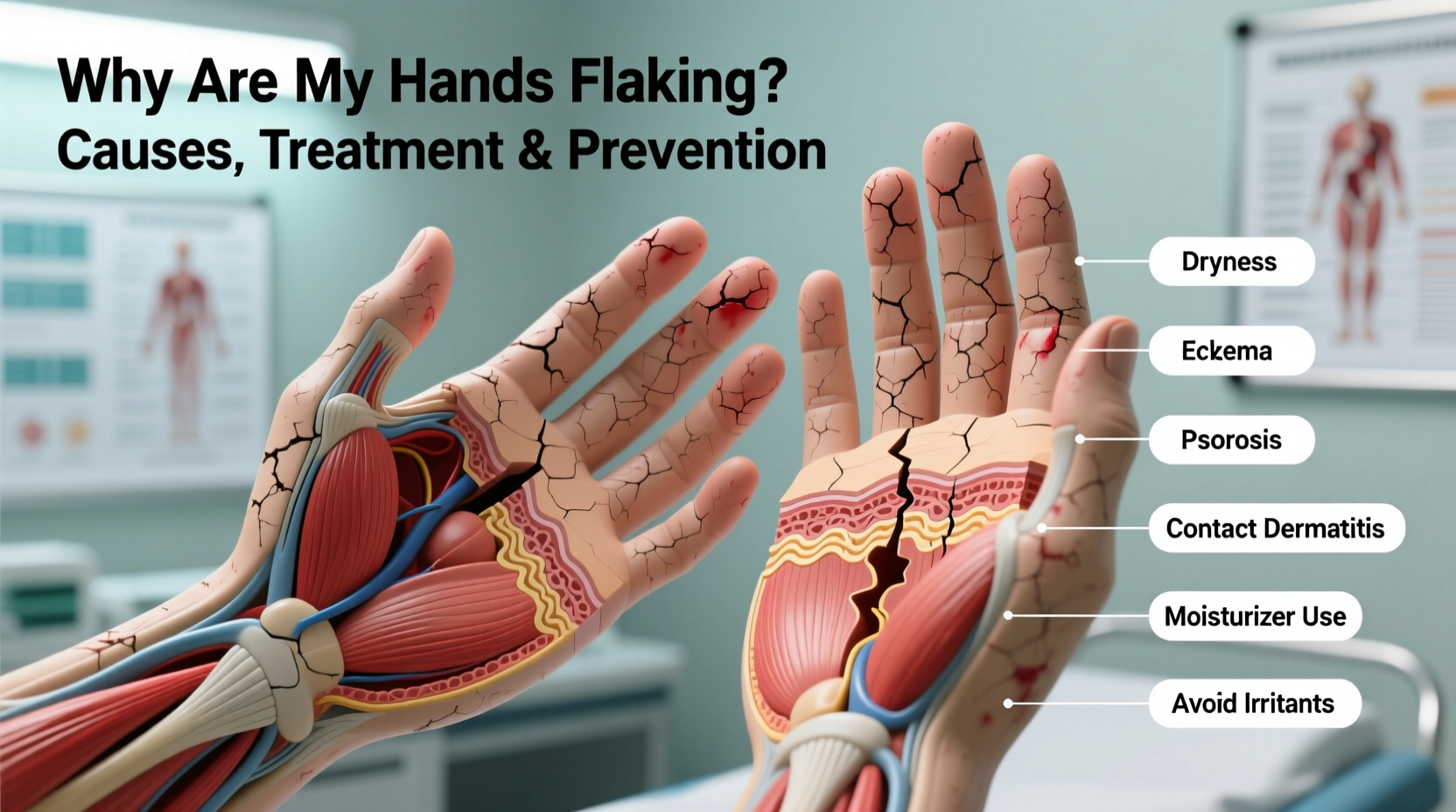
The skin on the hands lacks oil glands compared to other parts of the body, which makes it prone to moisture loss. When the skin barrier weakens, it leads to dryness, cracking, and flaking. Several factors contribute to this condition:
- Frequent handwashing: While essential for hygiene, excessive washing strips natural oils from the skin, especially when using harsh soaps.
- Cold or dry weather: Low humidity during winter months accelerates moisture evaporation from the skin’s surface.
- Contact with irritants: Cleaning products, detergents, solvents, and even certain metals can trigger contact dermatitis, leading to redness and flaking.
- Eczema (atopic dermatitis): A chronic condition causing inflamed, itchy, and flaky skin, often worsened by stress or allergens.
- Psoriasis: An autoimmune disorder that speeds up skin cell turnover, resulting in thick, scaly patches on the hands.
- Allergic reactions: Nickel, fragrances, or preservatives in lotions or gloves may cause allergic contact dermatitis.
- Vitamin deficiencies: Low levels of vitamins A, B, C, or E can impair skin health and regeneration.
- Dehydration: Not drinking enough water affects overall skin hydration, including the hands.
“Hand eczema affects up to 10% of the population and is one of the leading causes of occupational skin disease.” — Dr. Rebecca Tan, Dermatologist, American Academy of Dermatology
Effective Treatment Options
Treating flaky hands requires addressing both symptoms and underlying causes. Mild cases often respond well to lifestyle adjustments and over-the-counter care, while persistent conditions may require medical intervention.
Topical Moisturizers and Emollients
Look for creams containing ceramides, glycerin, hyaluronic acid, or shea butter. These ingredients help repair the skin barrier and lock in moisture. Ointments like petroleum jelly are especially effective at night due to their occlusive properties.
Tip: Apply moisturizer immediately after washing your hands—within 30 seconds—to seal in moisture.Medicated Creams
For inflammation or diagnosed conditions:
- Hydrocortisone cream (1%): Reduces itching and redness associated with eczema or irritation.
- Prescription corticosteroids: Used under medical supervision for severe flare-ups.
- Calcineurin inhibitors (tacrolimus, pimecrolimus): Non-steroidal options for sensitive areas or long-term management.
- Keratolytics (urea, lactic acid): Gently exfoliate dead skin cells and improve hydration.
Oral Treatments
In cases linked to nutrient deficiencies or systemic conditions like psoriasis, doctors may recommend supplements (e.g., omega-3 fatty acids, vitamin D) or prescribe oral medications such as retinoids or immunosuppressants.
Prevention Strategies for Healthy Hands
Preventing flaking is often more effective than treating it after it occurs. Building protective habits into your daily routine can significantly reduce recurrence.
Wear Protective Gloves
Use cotton-lined rubber gloves when cleaning, gardening, or handling chemicals. Avoid vinyl gloves if you have latex or chemical sensitivities.
Switch to Gentle Cleansers
Replace antibacterial or heavily fragranced soaps with fragrance-free, pH-balanced hand washes. Avoid hot water; lukewarm is ideal.
Maintain Indoor Humidity
Using a humidifier during dry seasons helps maintain ambient moisture, reducing trans-epidermal water loss from the skin.
| Do’s | Don’ts |
|---|---|
| Use fragrance-free moisturizers multiple times a day | Use alcohol-based hand sanitizers excessively |
| Wear gloves in cold weather | Peel or pick at flaking skin |
| Reapply moisturizer after handwashing | Use hot water for prolonged periods |
| Stay hydrated and eat a balanced diet | Ignore persistent cracks or bleeding |
Step-by-Step Care Routine for Flaky Hands
A consistent daily regimen can reverse mild to moderate flaking within days. Follow this timeline for optimal results:
- Morning: Wash hands with a gentle cleanser. Pat dry—do not rub. Apply a rich moisturizing cream.
- Throughout the day: Reapply hand cream every 2–3 hours, especially after washing. Keep a travel-sized tube in your bag or car.
- Before bed: Apply a thick layer of ointment (like petroleum jelly). Wear cotton gloves overnight to enhance absorption.
- Weekly: Gently exfoliate once using a soft cloth or mild scrub to remove dead skin. Avoid over-exfoliating, which can worsen irritation.
- Ongoing: Monitor for signs of infection (increased redness, pus, pain) or worsening symptoms. Consult a dermatologist if no improvement in 7–10 days.
Real-Life Example: Maria’s Experience with Hand Eczema
Maria, a 34-year-old nurse, began experiencing severe flaking and cracking on her hands after increasing shifts during flu season. Frequent handwashing and glove use left her skin raw and painful. Over-the-counter lotions provided temporary relief but didn’t stop the cycle. After visiting a dermatologist, she was diagnosed with irritant contact dermatitis. Her treatment plan included switching to a non-soap cleanser, using prescription hydrocortisone cream for two weeks, and applying a ceramide-rich moisturizer hourly during work. She also started wearing nitrile gloves instead of latex. Within three weeks, her symptoms improved dramatically. “I didn’t realize how much my routine was damaging my skin,” she said. “Now I protect my hands like I protect my patients.”
Frequently Asked Questions
Can drinking more water cure flaky hands?
While staying hydrated supports overall skin health, external moisturization and protection are more critical for treating flaky hands. Dehydration alone rarely causes severe flaking, but it can worsen existing dryness.
Is it safe to use foot cream on my hands?
Foot creams are formulated to be thicker and may contain higher concentrations of urea or salicylic acid, which can be too harsh for thinner hand skin. Use products specifically designed for hands unless advised otherwise by a doctor.
When should I see a doctor for flaky hands?
If flaking persists despite home care, is accompanied by pain, bleeding, blistering, or spreading rash, or interferes with daily activities, consult a healthcare provider. You may need testing for allergies or autoimmune conditions.
Final Thoughts and Call to Action
Your hands work hard every day—they deserve consistent care. Flaking skin isn’t something you have to live with. By identifying triggers, adopting a targeted treatment plan, and practicing daily prevention, you can restore smooth, comfortable skin. Small changes, like switching soap or wearing gloves, can make a lasting difference. Don’t wait until cracks form or discomfort sets in. Start protecting your hands today.
💬 Have you struggled with flaky hands? What worked for you? Share your experience in the comments below—your insight could help someone find relief.








