Dry, cracked hands are more than just a cosmetic concern—they can be painful, itchy, and even bleed if left untreated. The skin on the hands is exposed to constant environmental stressors, from cold weather to frequent handwashing and chemical exposure. While occasional dryness is normal, persistent cracking may signal deeper issues or inadequate care. Understanding the root causes and adopting targeted remedies can make a significant difference in restoring comfort and skin integrity.
Common Causes of Dry and Cracked Hands
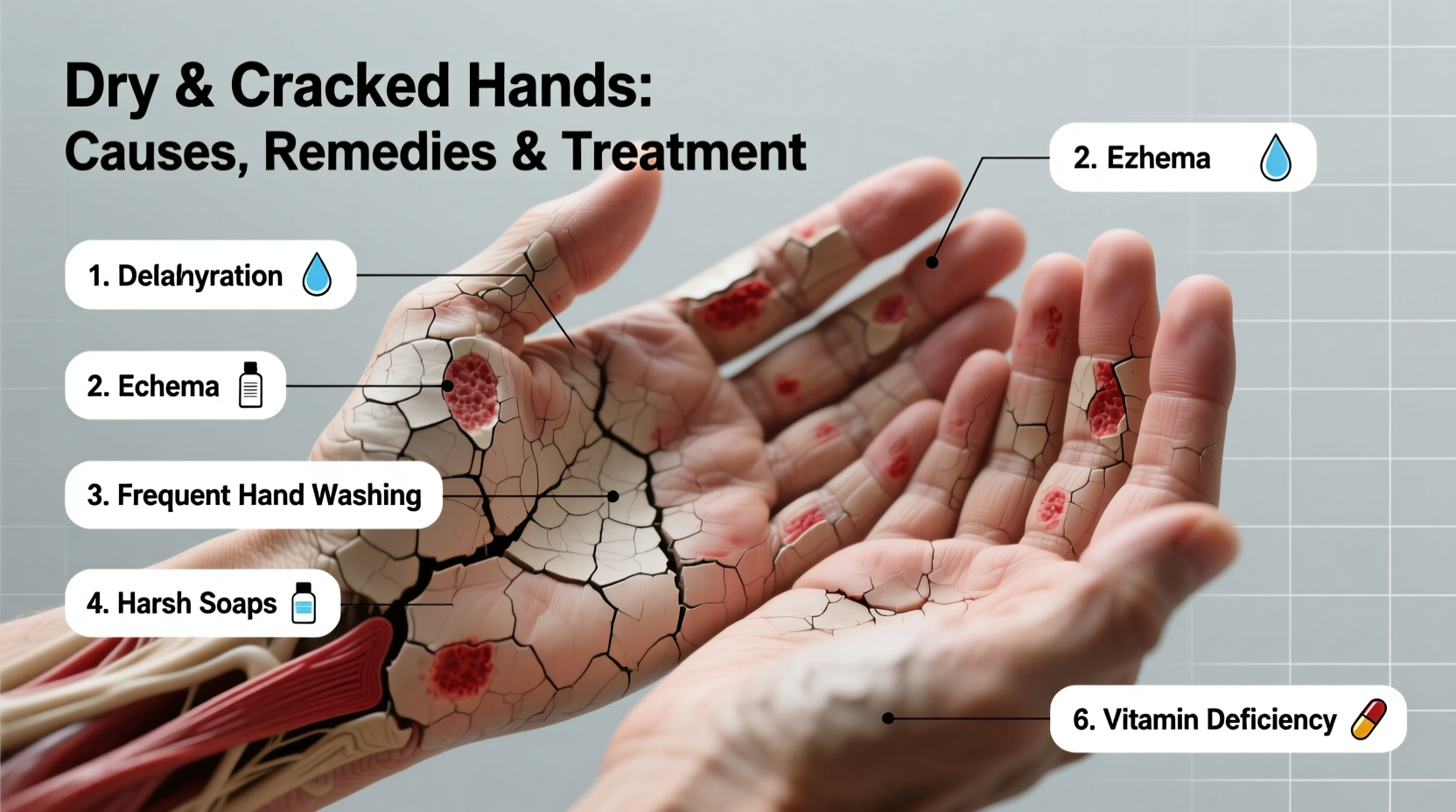
The hands lack oil glands compared to other parts of the body, making them especially vulnerable to moisture loss. Several factors contribute to dryness and cracking:
- Frequent handwashing or sanitizer use: Soap and alcohol-based sanitizers strip natural oils from the skin, leading to dehydration.
- Cold or dry weather: Low humidity during winter months accelerates moisture evaporation from the skin’s surface.
- Exposure to harsh chemicals: Cleaning agents, detergents, and solvents break down the skin’s protective barrier.
- Dehydration: Inadequate water intake affects skin hydration from within.
- Aging: As we age, the skin produces less sebum and becomes thinner, increasing susceptibility to damage.
- Underlying health conditions: Eczema (atopic dermatitis), psoriasis, hypothyroidism, and diabetes can all manifest with dry, cracked skin.
Effective Home Remedies for Immediate Relief
Natural remedies can offer quick relief and support healing when used consistently. These solutions focus on rehydrating the skin and reinforcing its natural barrier.
- Coconut oil: Rich in fatty acids, coconut oil deeply moisturizes and has antimicrobial properties. Apply a thin layer before bed and wear cotton gloves overnight.
- Honey: A natural humectant, honey draws moisture into the skin. Mix with warm water and soak hands for 15 minutes, then rinse and moisturize.
- Oatmeal soak: Colloidal oatmeal soothes irritated skin. Blend plain oats into a fine powder, mix with warm water, and soak hands for 10–15 minutes.
- Aloe vera gel: Known for its anti-inflammatory and healing properties, pure aloe vera can calm redness and promote tissue repair.
- Shea butter: Thicker than most lotions, shea butter forms a protective layer that locks in moisture and supports skin regeneration.
When to See a Doctor
If home treatments don’t improve symptoms within two weeks, or if cracks become deep, painful, or infected (showing signs like pus, swelling, or increased redness), medical evaluation is necessary. Persistent dryness could indicate an underlying condition requiring prescription treatment.
“Chronic hand dermatitis often goes untreated because people assume it’s just ‘dry skin.’ But repeated exposure without protection can lead to long-term barrier damage.” — Dr. Lena Torres, Board-Certified Dermatologist
Medical Treatments and Prescription Options
For severe or recurring cases, over-the-counter products may not suffice. Dermatologists can prescribe stronger interventions tailored to the cause.
| Condition | Treatment | Application Notes |
|---|---|---|
| Eczema | Topical corticosteroids (e.g., hydrocortisone 1%) | Use short-term to reduce inflammation; avoid prolonged use on thin skin. |
| Psoriasis | Vitamin D analogs (calcipotriene) or retinoids | Prescribed for scaling and thickened skin patches. |
| Infection | Antibiotic ointments (e.g., mupirocin) | Used if cracks show signs of bacterial infection. |
| Severe dryness | Urea or lactic acid creams (20–40%) | Exfoliates dead skin and enhances moisture retention. |
In some cases, phototherapy (light therapy) or oral medications like immunosuppressants may be recommended for autoimmune-related skin disorders.
Step-by-Step Guide to Healing Cracked Hands
Follow this nightly routine for optimal recovery and prevention:
- Soak: Immerse hands in lukewarm water with a tablespoon of honey or colloidal oatmeal for 10 minutes.
- Pat dry: Gently towel off without rubbing to avoid irritation.
- Apply treatment: Use a thick moisturizer or medicated cream (like urea 20% or petroleum jelly).
- Seal in moisture: Cover hands with cotton gloves for at least one hour or overnight.
- Repeat daily: Consistency is key—continue for at least 7–10 nights, even after improvement.
Prevention Checklist
Protect your hands proactively with these daily habits:
- ✅ Wear gloves when cleaning, gardening, or handling chemicals.
- ✅ Use fragrance-free, hypoallergenic soaps.
- ✅ Moisturize immediately after washing hands.
- ✅ Install a humidifier in your bedroom during winter.
- ✅ Drink adequate water throughout the day (aim for 8 glasses).
- ✅ Avoid hot water when washing hands—use lukewarm instead.
- ✅ Reapply hand cream after using hand sanitizer.
Real-Life Example: Nurse with Chronic Hand Cracking
Sarah, a 42-year-old ICU nurse, experienced painful cracks on her knuckles and fingertips due to washing her hands 30+ times per shift. Over-the-counter lotions provided temporary relief but didn’t heal the fissures. After consulting a dermatologist, she was diagnosed with irritant contact dermatitis. Her treatment plan included switching to a gentle, pH-balanced cleanser, applying a prescription-strength ceramide cream twice daily, and wearing nitrile gloves under cotton liners during shifts. Within three weeks, her skin showed significant improvement. She now keeps a personal hand care kit at work and educates her colleagues on preventive measures.
Frequently Asked Questions
Can dry hands be a sign of diabetes?
Yes. Diabetes can cause dry skin due to poor circulation and nerve damage affecting sweat production. High blood sugar also leads to fluid loss, contributing to dehydration. If dry hands are accompanied by frequent urination, fatigue, or slow-healing cuts, consult a healthcare provider.
Is petroleum jelly good for cracked hands?
Yes. Petroleum jelly (Vaseline) is an excellent occlusive agent that seals moisture into the skin. It’s particularly effective when applied after moisturizing or soaking. While it doesn’t add moisture itself, it prevents existing moisture from escaping, making it ideal for nighttime use.
How long does it take for cracked hands to heal?
Mild cases may improve within a few days with consistent moisturizing. Deep fissures or chronic conditions can take 2–6 weeks to fully heal, depending on the cause and treatment adherence. Preventing further irritation during recovery is crucial.
Conclusion: Take Control of Your Hand Health
Dry, cracked hands are a common yet manageable condition. Whether caused by environmental exposure, lifestyle habits, or medical issues, the right combination of protection, hydration, and treatment can restore softness and prevent recurrence. Don’t dismiss persistent symptoms as inevitable—your hands deserve care that supports both function and comfort. Start implementing these strategies today, and make hand health a non-negotiable part of your daily routine.
💬 Have a remedy that worked for you? Share your experience in the comments and help others find relief from dry, cracked hands!








