Pale or white patches on the gums surrounding your teeth can be unsettling. While occasional changes in gum color may not always signal a serious issue, persistent whiteness should never be ignored. The gums play a vital role in protecting tooth roots and supporting overall oral health. When they turn white, it’s often a sign that something is disrupting normal blood flow, tissue integrity, or cellular function. Understanding the underlying reasons—and knowing when to seek help—can prevent complications ranging from mild discomfort to severe infections or even oral cancer.
Common Causes of White Gums Around Teeth
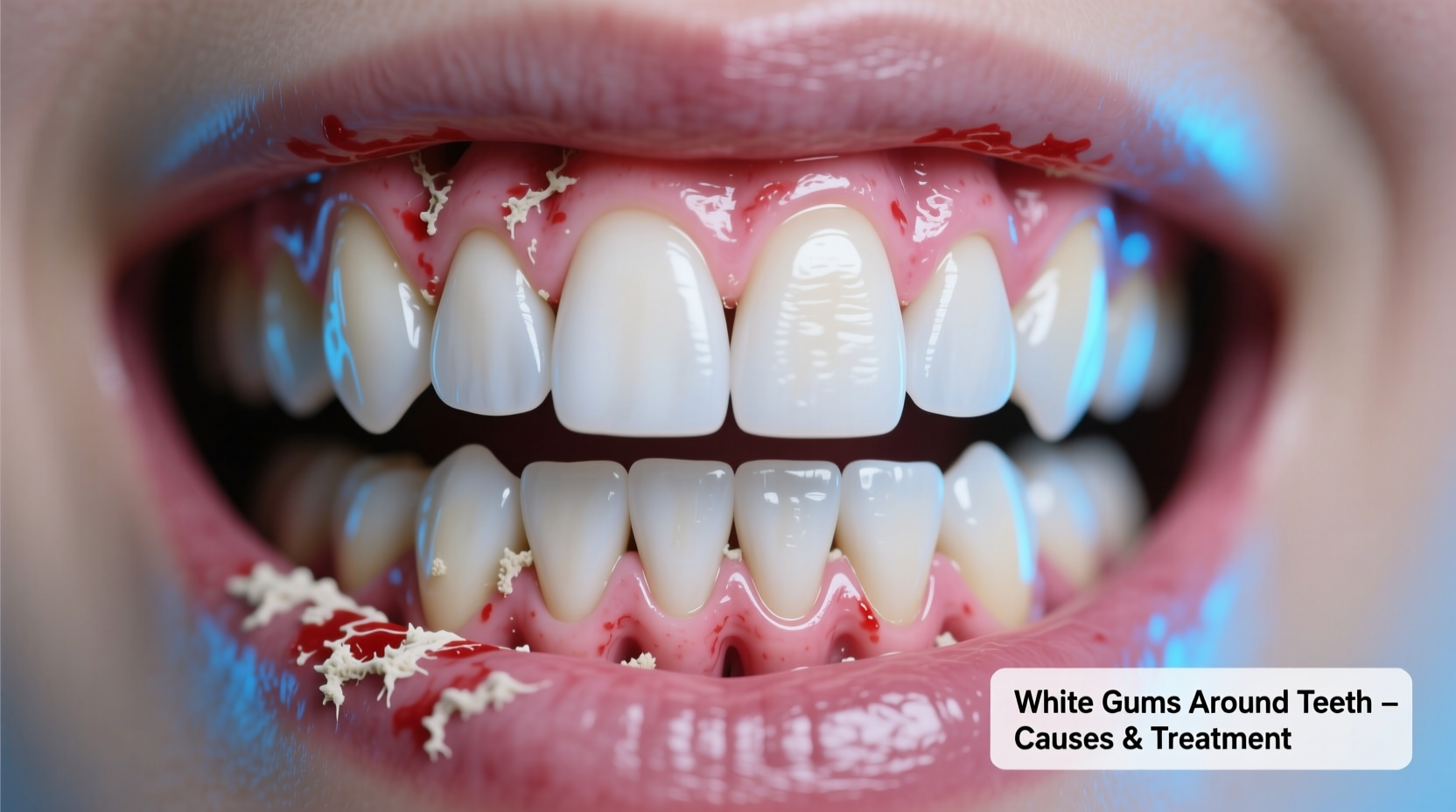
White gums do not appear without cause. Several factors can lead to discoloration, inflammation, or tissue changes in the gingival area. Identifying the root issue is essential for proper treatment.
- Gingival Trauma: Aggressive brushing, ill-fitting dental appliances, or biting down on hard objects can damage gum tissue, leading to localized whitening due to reduced blood flow or scar formation.
- Anemia: A deficiency in red blood cells or hemoglobin often results in pale gums. Iron-deficiency anemia is particularly common and may also present with fatigue, dizziness, and brittle nails.
- Oral Lichen Planus: This chronic inflammatory condition causes lacy white patches or streaks on the gums and inside cheeks. Its exact cause is unknown but may involve autoimmune responses.
- Candidiasis (Oral Thrush): A fungal infection caused by *Candida albicans*, thrush leads to creamy white lesions that can be wiped off, leaving behind red, irritated tissue.
- Leukoplakia: Characterized by thick, white patches that cannot be scraped away, leukoplakia is often linked to tobacco use and carries a risk of becoming precancerous.
- Chemical Burns: Overuse of hydrogen peroxide-based mouthwashes or whitening products can irritate and bleach gum tissue, causing temporary whitening.
- Infections: Bacterial or viral infections such as herpes simplex virus (HSV-1) can manifest with blistering and subsequent whitish sores near the gum line.
When to See a Dentist: Warning Signs
Not all cases of white gums require emergency care, but certain symptoms indicate the need for prompt professional evaluation:
- Pain or tenderness in the affected area
- White patches that persist beyond two weeks
- Bleeding during brushing or flossing
- Difficulty eating or speaking due to discomfort
- History of tobacco or heavy alcohol use
- Sudden onset following new dental work or medication
“Any persistent change in gum color lasting more than 10–14 days warrants clinical assessment. Early detection of conditions like leukoplakia or oral cancer significantly improves outcomes.” — Dr. Lena Patel, Board-Certified Periodontist
Diagnosis and Medical Evaluation Process
Dentists use a combination of visual inspection, patient history, and diagnostic tests to determine the cause of white gums. The process typically follows this timeline:
- Initial Examination: Your dentist will inspect the texture, location, and appearance of the white areas—whether they’re smooth, raised, or ulcerated.
- Medical History Review: Questions about smoking, medications, systemic illnesses (like diabetes), and recent oral trauma help narrow possible causes.
- Biopsy (if needed): If leukoplakia or another suspicious lesion is suspected, a small tissue sample may be taken for laboratory analysis.
- Laboratory Tests: Blood work may be ordered to check for anemia, vitamin deficiencies, or signs of infection.
- Treatment Plan Development: Based on findings, a targeted plan is created—ranging from lifestyle adjustments to prescription therapies.
Treatment Options Based on Cause
Effective treatment depends entirely on accurate diagnosis. Below is a summary of interventions tailored to specific conditions:
| Condition | Treatment Approach | Expected Outcome |
|---|---|---|
| Anemia | Iron supplements, dietary changes (red meat, leafy greens, vitamin C) | Gum color returns to healthy pink within weeks |
| Oral Thrush | Antifungal medication (nystatin rinse or fluconazole) | Symptoms resolve in 7–14 days with consistent use |
| Oral Lichen Planus | Topical corticosteroids, immune-modulating gels | Chronic management required; flare-ups minimized |
| Leukoplakia | Removal of irritants (e.g., quitting tobacco), surgical excision if precancerous | Prevents progression to oral cancer |
| Chemical Irritation | Discontinue harsh products, use saline rinses, apply protective ointments | Healing within 5–10 days |
Home Care and Prevention Strategies
While medical treatment addresses the underlying cause, daily habits play a crucial role in recovery and long-term gum health. Consider the following checklist to support healing and prevent recurrence:
Checklist: Daily Gum Care Routine- Brush gently twice daily with a soft-bristled toothbrush
- Floss once per day to remove plaque below the gumline
- Rinse with warm salt water (1/2 tsp salt in 8 oz water) 2x/day if irritation persists
- Avoid alcohol-based mouthwashes and abrasive whitening toothpastes
- Stay hydrated to maintain saliva production and oral balance
- Eat a balanced diet rich in vitamins C, B12, iron, and folate
- Schedule regular dental cleanings every 6 months
Real-Life Example: Delayed Diagnosis Leads to Intervention
Jamal, a 42-year-old construction worker and long-time smoker, noticed a small white patch near his lower molar six weeks ago. He initially dismissed it as irritation from a new crown. However, when the area became slightly raised and didn’t heal, he visited his dentist. After a biopsy, Jamal was diagnosed with early-stage leukoplakia. His dentist emphasized the importance of quitting tobacco and scheduled follow-up monitoring. With lifestyle changes and close supervision, the lesion regressed over three months, avoiding surgical intervention. This case underscores how timely attention to seemingly minor changes can prevent serious consequences.
Frequently Asked Questions
Can stress cause white gums?
Stress itself doesn't directly cause white gums, but it can weaken the immune system and trigger outbreaks of conditions like oral lichen planus or canker sores, which may appear as white lesions. Managing stress through sleep, exercise, and mindfulness supports overall oral health.
Is it normal for gums to turn white after dental work?
Minor whitening immediately after procedures like fillings, crowns, or deep cleanings can occur due to temporary irritation or pressure on the tissue. However, if the discoloration lasts more than a few days or is accompanied by pain, contact your dentist to rule out infection or allergic reactions.
Can poor oral hygiene lead to white gums?
Yes. Inadequate brushing and flossing allow plaque buildup, increasing the risk of gum disease and secondary infections like thrush. Poor hygiene creates an environment where abnormal tissue changes are more likely to develop and persist.
Conclusion: Take Action Before It Escalates
White gums around teeth are not something to overlook. Whether the cause is nutritional, infectious, traumatic, or potentially precancerous, early recognition and action make a critical difference. You don’t need to panic at the first sign of discoloration—but you should respond thoughtfully. Reassess your oral care routine, eliminate known irritants like tobacco, and most importantly, schedule an appointment with your dentist if the condition doesn’t improve within two weeks. Oral health is deeply connected to overall well-being, and addressing issues at the gum level protects not just your smile, but your systemic health too.
💬 Your gums speak volumes about your health. Have you noticed changes lately? Share your experience or questions below—your story could help someone else take their first step toward better oral care.








