
Noticing a change in the color of your gums—especially darkening or black patches—can be alarming. While some pigmentation is natural and harmless, sudden or localized black discoloration may signal an underlying issue. Understanding the root causes, recognizing when to seek help, and knowing your treatment options are essential steps toward maintaining both oral health and overall well-being.
Common Causes of Black Gums
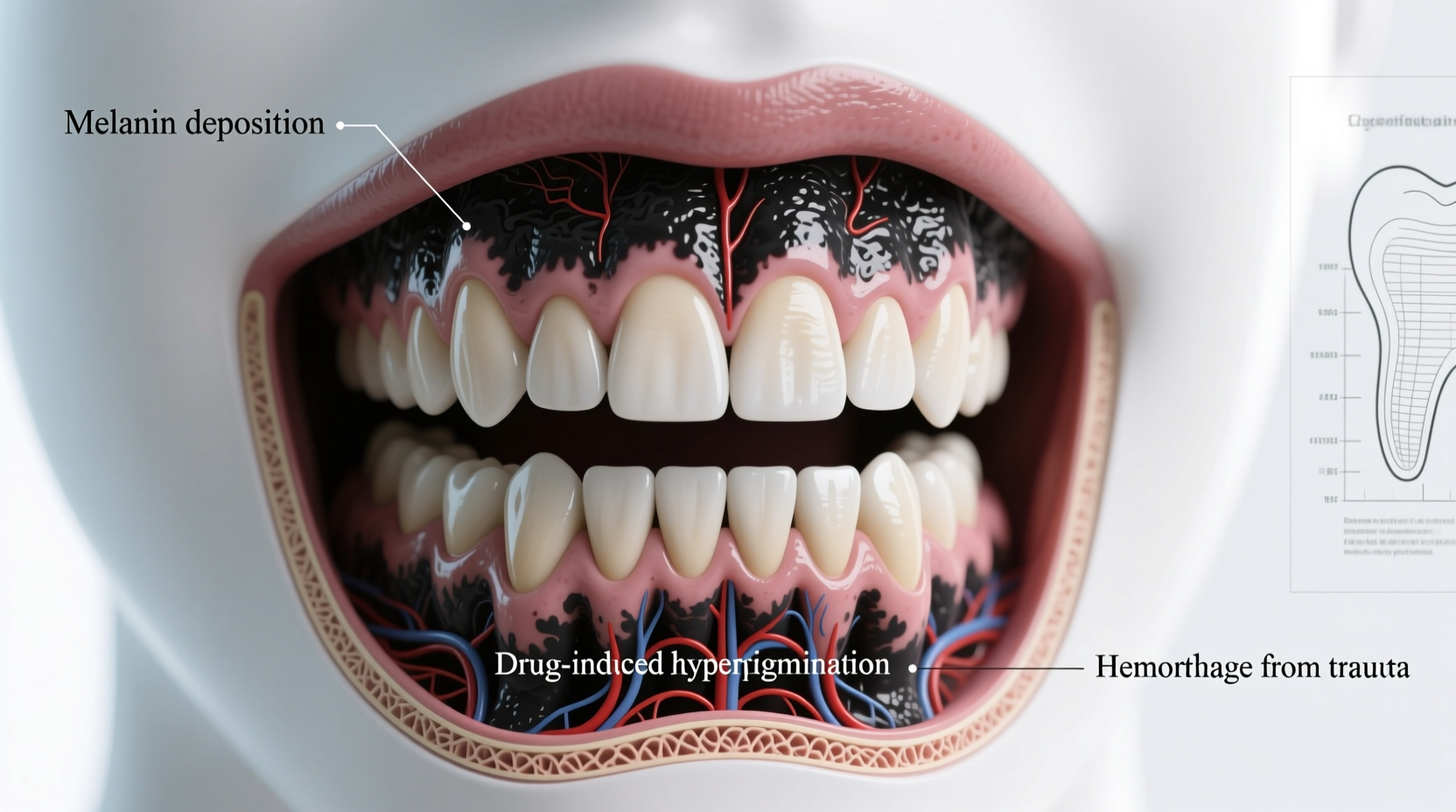
Gum discoloration can stem from a range of factors, from benign pigmentation to serious medical conditions. Identifying the cause is crucial for determining whether intervention is needed.
- Natural Melanin Pigmentation: People with darker skin tones often have higher melanin levels, which can lead to naturally darker or spotted gums. This variation is normal and not a health concern.
- Smoking and Tobacco Use: Long-term tobacco use stimulates melanin production in the gums, leading to dark spots or generalized darkening. The effect is usually reversible after quitting.
- Amalgam Tattoo: A common but misunderstood condition where tiny particles of dental amalgam (silver filling material) become embedded in the gum tissue during dental procedures, causing a permanent blue-black spot.
- Medications: Certain drugs—including antimalarials, antipsychotics, and some HIV treatments—can cause hyperpigmentation as a side effect.
- Oral Cancer: In rare cases, black lesions on the gums may indicate oral melanoma, a serious form of cancer. These often appear as irregular, growing patches and require immediate evaluation.
- Poor Oral Hygiene and Necrosis: Severe gum infections like acute necrotizing ulcerative gingivitis (ANUG) can cause tissue death, resulting in grayish-black areas on the gums accompanied by pain and foul odor.
- Genetic Conditions: Diseases such as Peutz-Jeghers syndrome or Addison’s disease may present with oral pigmentation among other symptoms.
When to See a Dentist
While some pigmentation is harmless, certain warning signs should prompt immediate professional consultation. Delaying care could result in missed diagnoses of treatable or life-threatening conditions.
“Any new, enlarging, or asymmetrical dark spot on the gums should be evaluated promptly. Early detection of oral melanoma significantly improves outcomes.” — Dr. Lena Torres, Board-Certified Periodontist
Red Flags That Require Evaluation
- Newly developed black spots or patches
- Rapid growth or change in size/shape of a lesion
- Pain, bleeding, or swelling around the discolored area
- Loose teeth or persistent bad breath accompanying discoloration
- A history of tobacco use or immunosuppression
Treatment Options Based on Cause
Effective treatment depends entirely on the underlying cause. A proper diagnosis through clinical examination, medical history review, and possibly biopsy is essential before beginning any therapy.
| Cause | Treatment Approach | Prognosis |
|---|---|---|
| Natural Melanin Pigmentation | No treatment required; cosmetic laser lightening available | Benign, lifelong |
| Tobacco-Induced Staining | Smoking cessation; possible laser depigmentation | Improvement within months of quitting |
| Amalgam Tattoo | Monitoring or surgical removal if cosmetically bothersome | Permanent unless removed |
| Drug-Induced Pigmentation | Review medications with physician; consider alternatives | May resolve after discontinuation |
| Oral Melanoma | Surgical excision, radiation, immunotherapy | Depends on stage at diagnosis |
| Necrotizing Gingivitis | Antibiotics, debridement, improved hygiene | Favorable with early treatment |
Step-by-Step Guide to Addressing Gum Discoloration
If you’ve noticed black areas on your gums, follow this structured approach to ensure proper care:
- Document the Change: Take clear photos under consistent lighting to monitor progression.
- Assess Risk Factors: Consider tobacco use, medication history, recent dental work, or systemic illnesses.
- Schedule a Dental Exam: Visit your dentist or periodontist for a thorough evaluation.
- Undergo Diagnostic Testing: If needed, a biopsy may be performed to rule out malignancy.
- Follow Recommended Treatment: Whether it's quitting smoking, changing medications, or undergoing surgery, adhere to your provider’s plan.
- Maintain Preventive Care: Brush twice daily, floss, and attend regular cleanings to support gum health.
Mini Case Study: Recognizing Early Signs of Trouble
Jamal, a 42-year-old construction worker, noticed a small black speck near his lower molar that hadn’t been there six months prior. Initially dismissing it as staining, he later observed slight enlargement and occasional bleeding when brushing. After reading about oral cancer risks online, he scheduled a dental appointment. His dentist identified the spot as an amalgam tattoo—leftover filling material from a root canal years earlier—but recommended a biopsy to rule out melanoma due to its subtle growth. The results confirmed it was benign. Jamal learned the importance of timely checkups, especially with any oral changes, even if painless.
Prevention and Maintenance Tips
While not all causes of black gums are preventable, many risk factors can be managed through proactive habits.
Tip: Use a soft-bristled toothbrush and gentle technique to avoid trauma that might exacerbate pigmentation or irritation.Checklist: Protecting Your Gum Health
- ✔ Quit smoking or using tobacco products
- ✔ Maintain twice-daily brushing and daily flossing
- ✔ Attend professional cleanings every 6 months
- ✔ Review medications annually with your doctor
- ✔ Monitor oral changes and report them early
- ✔ Eat a balanced diet rich in vitamins C and K
Frequently Asked Questions
Can black gums go away on their own?
In cases related to smoking or certain medications, gum pigmentation may gradually fade after removing the trigger. However, genetic or trauma-related discoloration (like amalgam tattoos) typically remains without intervention.
Is gum depigmentation safe?
Yes, when performed by a qualified dental professional. Laser depigmentation is a minimally invasive procedure that removes excess melanin. It carries low risk and minimal discomfort, though recurrence is possible with continued tobacco use.
Are black gums contagious?
No, gum discoloration itself is not contagious. However, poor oral hygiene contributing to infection can increase bacterial load, which may affect oral health but won’t “spread” pigmentation to others.
Conclusion: Take Action for Healthier Gums
Black gums aren't always dangerous, but they should never be ignored. From natural pigmentation to life-threatening conditions, the spectrum of causes is broad—and only a trained professional can distinguish between them. By staying informed, monitoring changes, and seeking timely care, you protect not just your smile but your long-term health. Don’t wait for symptoms to worsen. Schedule a dental visit today and take control of your oral wellness journey.
💬 Have you experienced gum discoloration? Share your story or questions below—your experience could help someone else seek the right care.








