Swollen gums are a common yet often overlooked sign of underlying oral health issues. While occasional inflammation may seem minor, persistent swelling can indicate more serious conditions such as gum disease, infection, or even systemic health problems. Understanding the root causes, recognizing early symptoms, and knowing how to respond effectively are essential steps in protecting both your dental and overall well-being.
Common Causes of Swollen Gums
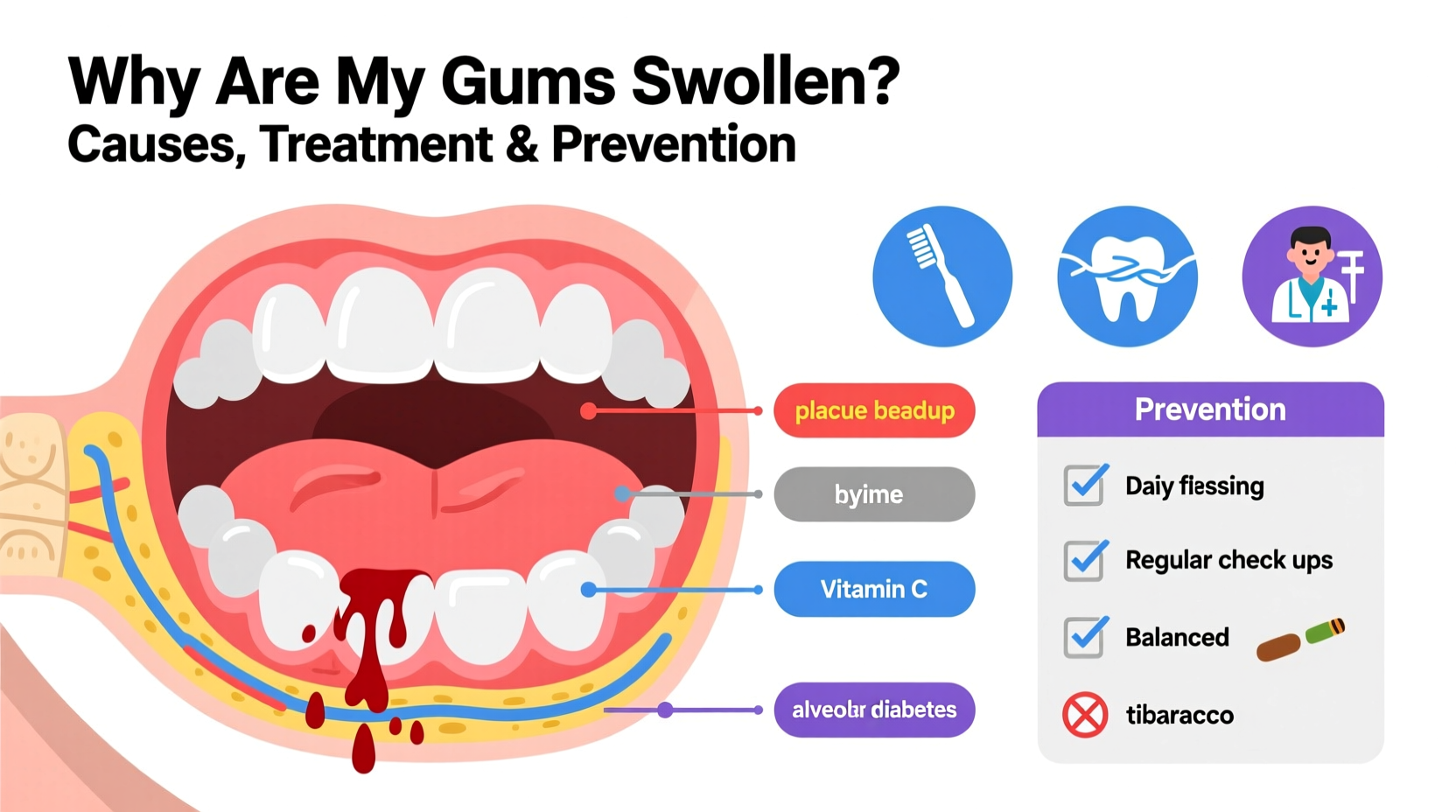
Inflammation of the gums—medically referred to as gingival swelling—can stem from a variety of sources. Some causes are preventable with good hygiene, while others may require professional intervention.
- Poor Oral Hygiene: Inadequate brushing and flossing allow plaque—a sticky film of bacteria—to accumulate along the gumline, leading to irritation and swelling.
- Gingivitis: The earliest stage of gum disease, characterized by red, tender, and swollen gums that may bleed during brushing.
- Periodontitis: If left untreated, gingivitis can progress into periodontitis, a severe infection that damages soft tissue and destroys the bone supporting teeth.
- Hormonal Changes: Fluctuations during puberty, pregnancy, menstruation, or menopause can increase blood flow to the gums, making them more sensitive and prone to swelling.
- Medications: Certain drugs—such as anticonvulsants, calcium channel blockers, and immunosuppressants—can cause gum overgrowth or fluid retention in gum tissues.
- Nutritional Deficiencies: A lack of vitamin C (scurvy) or vitamin B complex can weaken gum tissue and impair healing.
- Smoking and Tobacco Use: These habits reduce blood flow to the gums, mask bleeding symptoms, and significantly increase the risk of chronic inflammation.
- Ill-Fitting Dental Appliances: Braces, dentures, or retainers that rub against the gums can cause localized trauma and swelling.
Treatment Options Based on Cause
Effective treatment depends on identifying the underlying trigger. Self-care measures may suffice for minor cases, but advanced conditions require clinical care.
Dental Interventions
If plaque buildup or gum disease is diagnosed, a dentist may recommend:
- Scaling and Root Planing: A deep cleaning procedure that removes tartar below the gumline and smooths tooth roots to help gums reattach.
- Antibacterial Mouthwashes: Prescription rinses containing chlorhexidine can control infection in moderate to severe cases.
- Surgical Treatment: For advanced periodontitis, flap surgery or bone and tissue grafts may be necessary to restore support structures.
Lifestyle and Home Remedies
Mild swelling often responds well to consistent home care:
- Use a soft-bristled toothbrush and brush gently at a 45-degree angle to avoid further irritation.
- Floss daily to remove food particles and plaque between teeth.
- Apply a cold compress externally to reduce pain and swelling.
- Avoid spicy, acidic, or crunchy foods that can aggravate inflamed tissue.
“Early intervention in gum inflammation can prevent irreversible damage. Patients who address swelling at the gingivitis stage often reverse the condition completely.” — Dr. Lena Patel, Periodontist and Oral Health Specialist
Prevention Strategies for Long-Term Gum Health
Preventing swollen gums is far more effective—and less costly—than treating them after complications arise. A proactive approach includes both daily habits and regular professional oversight.
Step-by-Step Prevention Routine
- Morning and Night: Brush for two minutes using fluoride toothpaste and a soft-bristle brush.
- Daily Flossing: Clean between all teeth once per day, preferably before bedtime.
- Antiseptic Rinse: Use an alcohol-free mouthwash to reduce bacteria without drying oral tissues.
- Balanced Diet: Consume foods rich in vitamin C (citrus, bell peppers), vitamin D (fatty fish, fortified dairy), and antioxidants (berries, leafy greens).
- Hydration: Drink plenty of water to maintain saliva production, which naturally washes away food debris and neutralizes acids.
- Biannual Checkups: Visit your dentist every six months for cleanings and early detection of gum issues.
| Do’s | Don’ts |
|---|---|
| Brush gently with a soft-bristled toothbrush | Aggressively scrub gums with hard pressure |
| Floss daily, especially before bed | Skip flossing because it causes bleeding |
| Rinse with warm salt water for soothing relief | Use alcohol-based mouthwashes excessively |
| Quit smoking to improve circulation to gums | Continue tobacco use despite gum concerns |
| Eat crunchy fruits and vegetables to stimulate gums | Consume high-sugar snacks frequently throughout the day |
Real-Life Example: Addressing Pregnancy Gingivitis
Sarah, a 32-year-old expecting mother, noticed her gums were increasingly tender and bled when brushing during her second trimester. At first, she dismissed it as a normal part of pregnancy. However, after developing noticeable swelling around her front teeth, she consulted her dentist.
Upon examination, Sarah was diagnosed with pregnancy gingivitis—a condition affecting up to 75% of pregnant women due to elevated progesterone levels increasing gum sensitivity to plaque. Her dentist recommended improved oral hygiene, including gentle brushing with a children’s toothbrush, daily flossing, and rinsing with a baking soda solution (1 tsp in warm water) to neutralize acidity.
Within three weeks of consistent care, Sarah’s symptoms subsided significantly. She also scheduled an additional cleaning during her pregnancy, which helped remove accumulating plaque. This case highlights how hormonal shifts can amplify existing vulnerabilities—and why timely action matters.
Frequently Asked Questions
Can swollen gums go away on their own?
Mild swelling caused by temporary irritants—like eating sharp foods or short-term stress—may resolve within a few days with proper oral hygiene. However, persistent swelling lasting more than a week usually indicates an ongoing issue like gum disease and should be evaluated by a dentist.
Is it normal for gums to swell after wisdom tooth extraction?
Some swelling is expected for 2–3 days following extraction. It typically peaks around 48 hours post-surgery and gradually improves. Apply ice packs initially, then switch to warm compresses. If swelling worsens after day three or is accompanied by fever or pus, contact your oral surgeon—it could signal dry socket or infection.
Can vitamins really help with gum inflammation?
Yes. Vitamin C deficiency directly impacts collagen production, weakening gum tissue and making it more susceptible to infection. Studies show that supplementing with vitamin C can reduce bleeding and swelling in individuals with low baseline levels. Similarly, vitamin D supports immune regulation and has been linked to lower rates of periodontal disease.
Tip: Keep a small bottle of alcohol-free mouthwash and interdental brushes at work or in your bag to maintain oral hygiene between brushings.Conclusion: Take Action Before It Escalates
Swollen gums are not something to ignore. Whether triggered by poor hygiene, hormonal changes, or medication side effects, inflammation is your body’s way of signaling imbalance. Left unchecked, it can lead to gum recession, tooth loss, and even contribute to heart disease and diabetes through chronic inflammation.
The good news is that most causes of gum swelling are manageable with early detection and consistent care. By adopting a disciplined oral routine, visiting your dentist regularly, and paying attention to changes in your mouth, you can maintain healthy, resilient gums for life.
💬 Your gums speak volumes about your health. Have you noticed changes lately? Share your experience or questions below—your story might help someone else take their first step toward better oral wellness.








