Dark or discolored gums can be concerning, especially when the change appears suddenly or affects self-confidence. While not always a sign of disease, dark gums can result from various factors ranging from genetics to lifestyle habits and underlying health conditions. Understanding the root causes is essential to determining whether intervention is necessary. This article explores the science behind gum pigmentation, identifies key triggers, outlines effective treatment options, and provides practical steps for prevention.
Understanding Gum Pigmentation
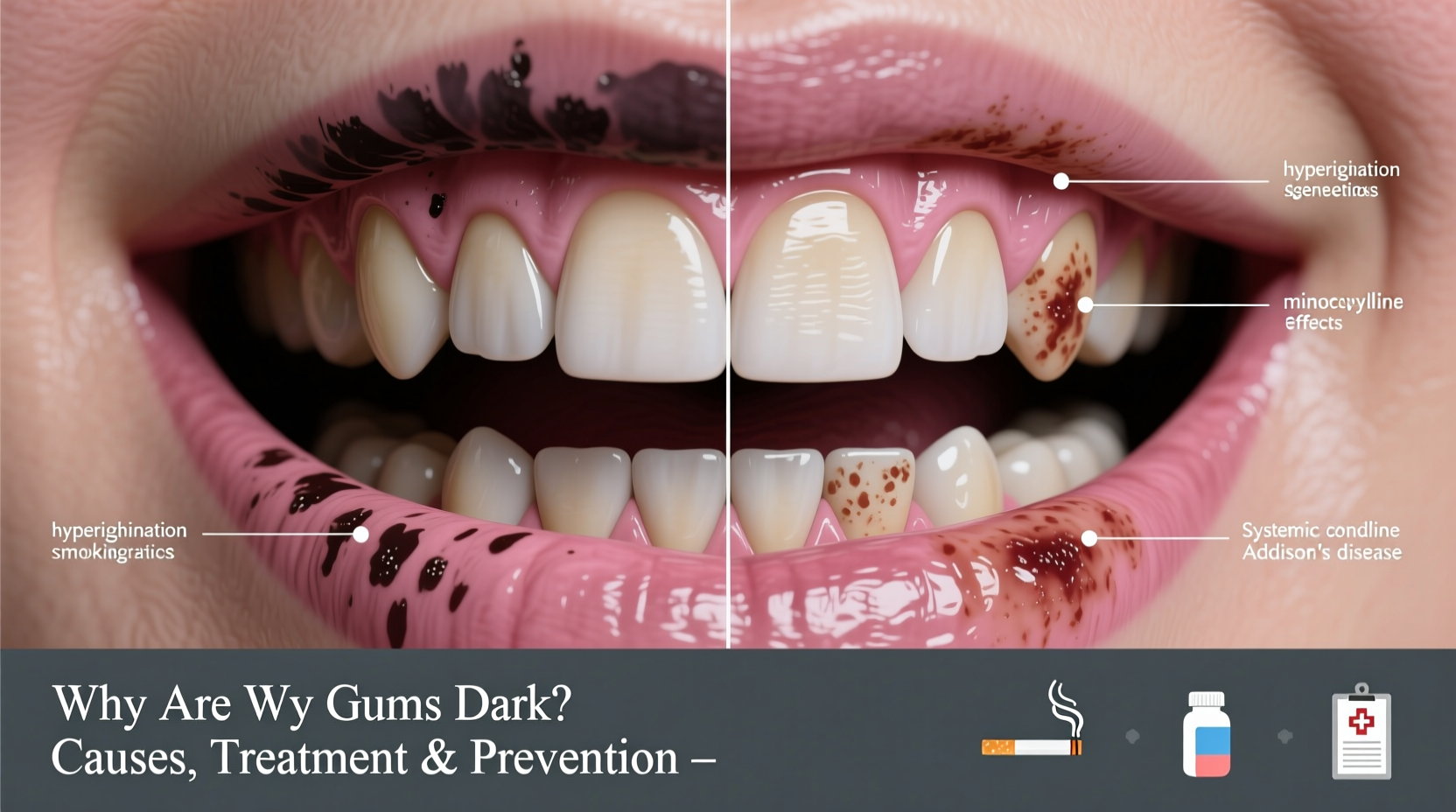
Gum color varies widely among individuals. Healthy gums typically range from light pink to brownish, depending on melanin levels in the tissue. Melanin, the same pigment responsible for skin and hair color, is produced by cells called melanocytes in the oral mucosa. Higher concentrations of melanin lead to darker gums, which is completely normal in many populations.
In people with darker skin tones, physiological melanin pigmentation is common and usually symmetrical. This type of pigmentation often appears as flat, brown to black patches along the gums and does not indicate disease. However, when discoloration is localized, irregular, or changes over time, it may signal an external or medical cause requiring attention.
Tip: If you notice a sudden or uneven change in gum color, consult a dentist to rule out pathological causes.Common Causes of Dark Gums
Several factors contribute to gum darkening. Some are harmless and genetic, while others may point to systemic issues or poor oral hygiene.
- Genetics and Ethnicity: Individuals of African, Asian, Middle Eastern, or Mediterranean descent often have naturally darker gums due to higher melanin production.
- Smoking and Tobacco Use: Nicotine stimulates melanocytes, increasing melanin production. Smokers are more likely to develop smoker’s melanosis, a condition characterized by dark streaks or patches along the lower front teeth.
- Medications: Certain drugs—including antimalarials like chloroquine, some antipsychotics, and HIV medications—can cause hyperpigmentation as a side effect.
- Amalgam Tattoos: Small fragments of dental filling material (amalgam) can become embedded in gum tissue during dental procedures, leaving bluish-gray spots that are harmless but permanent unless removed.
- Oral Diseases: Conditions such as Addison’s disease, Peutz-Jeghers syndrome, or oral melanotic macules may present with gum discoloration alongside other symptoms.
- Poor Oral Hygiene: Chronic inflammation from plaque buildup can sometimes lead to localized pigmentation or make existing discoloration more noticeable.
“Physiological pigmentation is entirely normal and not a health concern. The real issue arises when pigmentation is new, asymmetrical, or rapidly changing.” — Dr. Lena Torres, Periodontist and Oral Pathology Specialist
Treatment Options for Dark Gums
Treatment is not always necessary—especially if the pigmentation is natural and stable. However, for those seeking aesthetic improvement, several clinical procedures are available.
Laser Gum Depigmentation
This is the most popular and effective cosmetic procedure. A dental laser precisely removes the superficial layer of pigmented tissue, revealing lighter tissue underneath. Healing typically takes 1–2 weeks, and results are long-lasting, though sun exposure or smoking may trigger recurrence.
Scalpel or Electrosurgery Techniques
Less commonly used today, these methods involve physically scraping or burning off pigmented areas. They require more recovery time and carry a higher risk of scarring compared to laser therapy.
Cryotherapy
Liquid nitrogen is applied to freeze and destroy melanocyte-rich tissue. It’s less precise than lasers and rarely used in modern cosmetic dentistry.
| Method | Effectiveness | Recovery Time | Risk of Recurrence |
|---|---|---|---|
| Laser Therapy | High | 7–14 days | Low (if triggers avoided) |
| Scalpel Surgery | Moderate | 2–3 weeks | Moderate |
| Cryotherapy | Low to Moderate | 10–14 days | High |
Prevention Strategies
While genetic pigmentation cannot be prevented, lifestyle-related causes of dark gums can often be mitigated through proactive habits.
- Quit Smoking: Eliminating tobacco use reduces melanin stimulation and improves overall oral health.
- Monitor Medications: If you’re on long-term medication known to cause pigmentation, discuss alternatives with your physician.
- Maintain Excellent Oral Hygiene: Brush twice daily, floss daily, and visit your dentist every six months to prevent inflammation that can exacerbate discoloration.
- Avoid Trauma to Gums: Use soft-bristled toothbrushes and gentle technique to prevent irritation that might trigger localized pigmentation.
- Stay Hydrated and Eat Antioxidant-Rich Foods: A balanced diet supports healthy tissue regeneration and may reduce oxidative stress linked to abnormal pigmentation.
Real-Life Example: Maria’s Experience
Maria, a 34-year-old graphic designer, noticed her lower gums gradually turning dark over two years. Initially dismissing it as normal variation, she became concerned when the discoloration spread asymmetrically. After consulting her dentist, she learned she had smoker’s melanosis—linked to her habit of smoking five cigarettes daily. Her dentist recommended quitting smoking and offered laser depigmentation for aesthetic improvement. Maria quit smoking with nicotine replacement therapy and underwent one laser session. Within three weeks, her gums appeared significantly lighter and remained stable after one year, thanks to her smoke-free lifestyle.
Frequently Asked Questions
Is dark gum color a sign of cancer?
Not necessarily. Most cases of dark gums are benign. However, any rapidly growing, ulcerated, or bleeding pigmented lesion should be evaluated by a dentist to rule out oral melanoma, a rare but serious condition.
Can dark gums turn pink again naturally?
In cases related to smoking or medication, stopping the trigger may lead to gradual lightening over months. However, genetic or amalgam-related pigmentation will not fade on its own.
Is laser gum depigmentation safe?
Yes, when performed by a trained dental professional, laser treatment is safe and minimally invasive. Complications are rare but may include temporary sensitivity or minor swelling.
Step-by-Step Guide to Addressing Dark Gums
- Observe and Document: Note when the discoloration appeared, whether it’s spreading, and if it’s associated with pain or bleeding.
- Schedule a Dental Evaluation: Visit a dentist or periodontist to determine if the pigmentation is physiological or pathological.
- Review Lifestyle Factors: Assess smoking habits, medications, and oral hygiene routines.
- Address Underlying Causes: Quit smoking, switch medications if possible, and improve oral care.
- Consider Cosmetic Treatment: If desired, explore laser depigmentation with a qualified provider.
- Maintain Results: Avoid triggers and attend regular dental checkups to monitor gum health.
Conclusion
Dark gums are often a normal variation, particularly in individuals with higher melanin levels. However, understanding the difference between benign pigmentation and signs of underlying issues is crucial. With proper diagnosis, targeted treatment, and preventive care, you can maintain both the health and appearance of your gums. Whether your goal is medical reassurance or aesthetic enhancement, taking informed action leads to better outcomes.
🚀 Take charge of your oral health today. Schedule a dental consultation to understand your gum pigmentation and explore personalized solutions for a confident, healthy smile.








