
Bleeding gums are more than just a minor annoyance—they’re often the body’s first warning sign of an underlying issue. While it might seem harmless to see a little blood after brushing or flossing, consistent gum bleeding should never be ignored. It can point to early-stage gum disease or even signal broader systemic health problems. Understanding the root causes, recognizing when to seek help, and knowing how to treat and prevent this condition are essential steps toward maintaining not only oral health but overall well-being.
Common Causes of Bleeding Gums
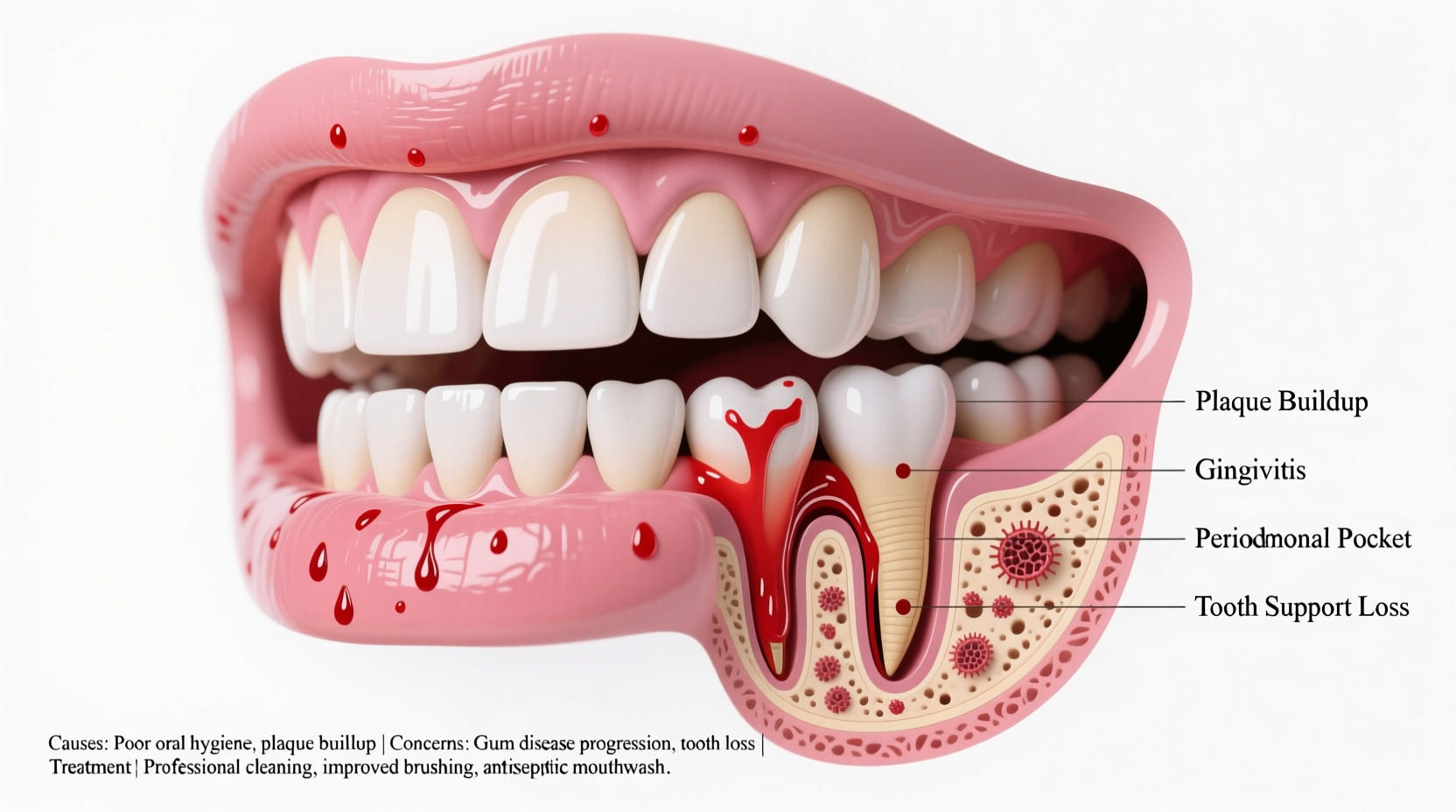
The most frequent reason for bleeding gums is poor oral hygiene. When plaque��a sticky film of bacteria—builds up along the gumline, it triggers inflammation. This condition, known as gingivitis, is the earliest stage of periodontal disease and typically presents with red, swollen gums that bleed easily during brushing or flossing.
Other common causes include:
- Incorrect brushing technique: Using a hard-bristled toothbrush or brushing too aggressively can irritate delicate gum tissue.
- Infrequent flossing: Skipping floss allows bacteria to accumulate between teeth, leading to gum irritation.
- Hormonal changes: Fluctuations during pregnancy, menstruation, puberty, or menopause can increase gum sensitivity.
- Dietary deficiencies: A lack of vitamin C or vitamin K impairs the body’s ability to maintain healthy connective tissue and blood clotting.
- Smoking and tobacco use: These reduce blood flow to the gums and weaken the immune response, masking symptoms while accelerating damage.
- Medications: Blood thinners like warfarin or aspirin may increase bleeding tendency, including in the gums.
When Bleeding Gums Signal a Serious Health Concern
While occasional bleeding may result from minor irritation, persistent or spontaneous gum bleeding warrants medical attention. Left untreated, gingivitis can progress to periodontitis—a severe infection that destroys the bone supporting your teeth and may lead to tooth loss.
More alarmingly, research has linked chronic gum disease to systemic conditions such as:
- Cardiovascular disease
- Type 2 diabetes (and vice versa—diabetes increases susceptibility to gum infections)
- Rheumatoid arthritis
- Respiratory diseases
- Pregnancy complications, including preterm birth
“Oral health is a window into overall health. Persistent gum bleeding isn’t just a dental issue—it’s a possible red flag for inflammation elsewhere in the body.” — Dr. Lena Torres, Board-Certified Periodontist
Diagnosis and Professional Treatment Options
If you're experiencing regular gum bleeding, a dentist will perform a thorough evaluation. This includes measuring pocket depth around teeth using a periodontal probe, checking for tooth mobility, and possibly taking X-rays to assess bone loss.
Treatment depends on severity:
| Condition | Symptoms | Treatment Approach |
|---|---|---|
| Gingivitis | Red, swollen gums; bleeding during brushing | Improved hygiene, professional cleaning, antimicrobial mouthwash |
| Early Periodontitis | Gum recession, deeper pockets (>4mm), mild bone loss | Scaling and root planing (deep cleaning), possible antibiotics |
| Advanced Periodontitis | Tooth mobility, pus, significant bone loss | Surgical interventions (flap surgery, grafts), possible tooth extraction |
Scaling and root planing removes plaque and tartar from below the gumline and smooths root surfaces to prevent further bacterial accumulation. In advanced cases, referral to a periodontist for surgical management may be necessary.
Step-by-Step Guide to Managing and Preventing Bleeding Gums
Reversing early gum disease and preventing recurrence involves consistent daily habits and lifestyle adjustments. Follow this timeline to improve gum health within weeks:
- Day 1–3: Replace your toothbrush with a soft-bristled one. Begin brushing gently twice daily using fluoride toothpaste. Floss at least once per day, curving the floss around each tooth instead of snapping it.
- Day 4–7: Introduce an alcohol-free antibacterial mouthwash containing chlorhexidine or cetylpyridinium chloride. Rinse once daily after brushing.
- Week 2: Schedule a dental checkup and professional cleaning. Discuss any medications or health conditions that could affect your gums.
- Month 1: Evaluate improvements. If bleeding persists beyond two weeks of proper care, consult your dentist for further assessment.
- Ongoing: Maintain biannual dental cleanings, stay hydrated, eat a balanced diet rich in vitamins C and K, and avoid smoking.
Real-Life Example: Maria’s Turnaround with Gum Health
Maria, a 34-year-old teacher, noticed her gums bled every time she brushed. She dismissed it for months until she developed persistent bad breath and slight tooth sensitivity. During a routine exam, her dentist diagnosed moderate gingivitis caused by inconsistent flossing and aggressive brushing. After switching to a soft brush, learning proper flossing technique, and undergoing a professional cleaning, Maria saw dramatic improvement within three weeks. Her gums stopped bleeding, and follow-up visits showed reduced inflammation. “I had no idea something so simple could make such a big difference,” she said.
Do’s and Don’ts for Healthy Gums
| Do’s | Don’ts |
|---|---|
| Brush gently with a soft-bristled toothbrush | Use hard-bristled brushes or scrub horizontally |
| Floss daily using proper technique | Skip flossing because it causes bleeding |
| Eat foods rich in vitamin C (citrus, bell peppers) and vitamin K (kale, spinach) | Consume excessive sugary snacks and drinks |
| Visit your dentist every six months | Delay dental visits despite visible signs of trouble |
| Quit smoking or using tobacco products | Ignore dry mouth, which increases plaque buildup |
FAQ: Common Questions About Bleeding Gums
Is it normal for gums to bleed when I start flossing?
Yes, if you’ve recently started flossing, mild bleeding may occur due to inflammation from built-up plaque. However, this should resolve within 5–7 days of consistent flossing. If bleeding continues, consult your dentist.
Can stress cause my gums to bleed?
Indirectly, yes. Stress weakens the immune system, making it harder for your body to fight off infections—including gum disease. It may also lead to bruxism (teeth grinding), which puts pressure on gums and exacerbates inflammation.
Are bleeding gums dangerous during pregnancy?
Not uncommon—due to hormonal surges, many pregnant women experience \"pregnancy gingivitis.\" But uncontrolled gum disease has been associated with low birth weight and preterm delivery. Maintaining excellent oral hygiene and attending dental checkups during pregnancy is crucial.
Conclusion: Take Action Before It Escalates
Bleeding gums are not a normal part of aging or brushing—they’re a symptom demanding attention. Whether it's due to inadequate oral care, nutritional gaps, or a deeper medical concern, addressing the issue early prevents irreversible damage. Small changes in your daily routine, combined with professional guidance, can restore gum health and protect your smile for years to come.
🚀 Your gums shouldn’t bleed—and they don’t have to. Start today: pick up a soft toothbrush, floss tonight, and schedule your next dental visit. Your mouth—and your body—will thank you.








