Pale or whitening feet can be a subtle but concerning symptom that many people overlook. While occasional changes in skin tone may result from temporary factors like cold exposure, persistent or recurring whitening of the feet could signal underlying circulatory, neurological, or dermatological issues. Recognizing the root cause is essential to prevent complications and restore healthy circulation and skin integrity.
This article explores the most common reasons behind feet turning white, outlines diagnostic approaches used by healthcare professionals, and provides practical treatment and prevention strategies backed by medical insight.
Common Causes of Feet Turning White
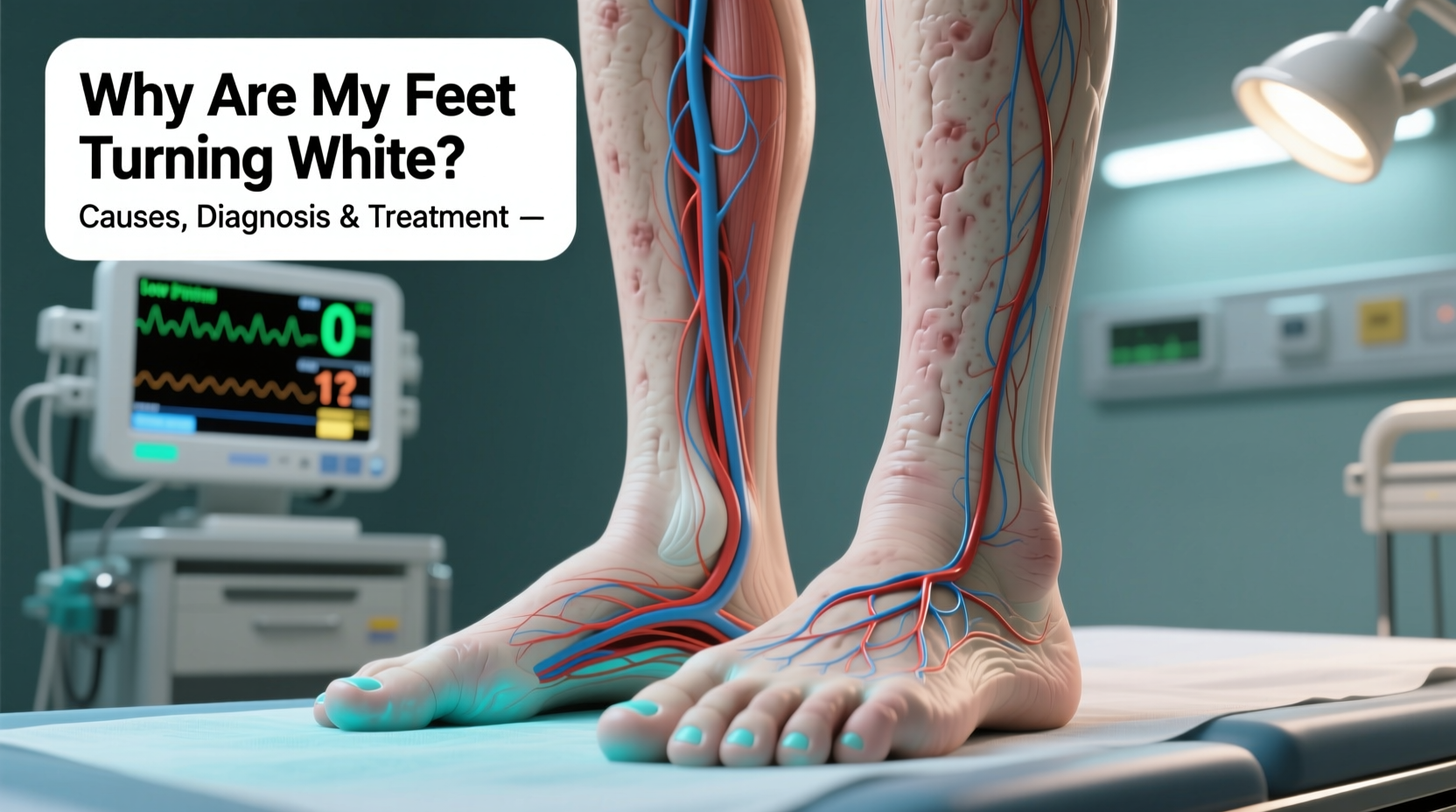
The whitening of feet typically results from reduced blood flow or disruptions in oxygen delivery to the skin. Several conditions can lead to this phenomenon, ranging from benign environmental responses to chronic medical disorders.
- Raynaud’s Phenomenon: A condition where small arteries spasm in response to cold or stress, reducing blood flow to extremities. The toes may turn white, then blue, and finally red as circulation returns.
- Peripheral Artery Disease (PAD): Narrowed arteries reduce blood flow to limbs. Whitening, especially during activity, may be accompanied by cramping or pain.
- Frostbite: Prolonged exposure to freezing temperatures damages skin and tissue. Early signs include numbness and pale or white discoloration.
- Diabetes-Related Circulation Issues: High blood sugar over time damages blood vessels and nerves, impairing circulation and sensation in the feet.
- Vasculitis: Inflammation of blood vessels can restrict blood flow, leading to skin color changes, ulcers, or rashes.
- Anemia: Low red blood cell count reduces oxygen delivery, causing generalized paleness, including in the feet.
- Lymphedema or Venous Insufficiency: Though more commonly linked with swelling or bluish discoloration, poor fluid return can sometimes affect skin tone.
How Doctors Diagnose the Cause
Accurate diagnosis begins with a thorough clinical evaluation. Physicians assess not just the appearance of the feet, but also associated symptoms, medical history, and lifestyle factors.
Medical History and Physical Exam
A doctor will ask about:
- When the whitening occurs (e.g., in cold, at rest, during exercise)
- Duration and progression of symptoms
- Presence of pain, numbness, or tingling
- History of diabetes, autoimmune diseases, or smoking
During the physical exam, they’ll check pulse strength in the feet, skin temperature, capillary refill time, and signs of ulceration or infection.
Diagnostic Tests
Depending on initial findings, further testing may include:
| Test | Purpose | What It Reveals |
|---|---|---|
| Ankle-Brachial Index (ABI) | Compares blood pressure in arms and ankles | Indicates presence and severity of PAD |
| Doppler Ultrasound | Visualizes blood flow in leg arteries | Detects blockages or narrowing |
| Blood Tests | Checks for anemia, inflammation, autoimmune markers | Identifies systemic contributors |
| Nailfold Capillaroscopy | Examines tiny blood vessels under a microscope | Helps diagnose Raynaud’s and connective tissue diseases |
“Persistent foot pallor isn’t normal aging—it’s a vascular warning sign. Early assessment can prevent tissue damage.” — Dr. Lena Torres, Vascular Medicine Specialist
Treatment Options Based on Diagnosis
Treatment depends entirely on the underlying cause. Addressing the root issue—not just the symptom—is key to long-term improvement.
For Raynaud’s Phenomenon
- Avoid cold exposure; wear insulated socks and warm footwear.
- Use hand and foot warmers in extreme climates.
- In severe cases, doctors may prescribe calcium channel blockers to relax blood vessels.
For Peripheral Artery Disease
- Lifestyle changes: Smoking cessation, regular walking, heart-healthy diet.
- Medications: Statins, antiplatelets (like aspirin), and vasodilators.
- Procedures: Angioplasty or bypass surgery in advanced cases.
For Diabetes-Related Circulation Problems
- Strict blood sugar control.
- Daily foot inspections for sores or discoloration.
- Custom orthotics and proper diabetic footwear.
For Frostbite or Cold Injury
- Gradual rewarming in warm (not hot) water (98–105°F).
- Avoid rubbing or massaging affected areas.
- Seek emergency care if blisters or blackened tissue appear.
Real-Life Example: Recognizing Early Signs
Sarah, a 42-year-old office worker, noticed her toes turned white every winter when walking to her car. She dismissed it as normal cold reaction. Over two years, the episodes became more frequent, lasted longer, and began causing tingling and stiffness. After seeing a rheumatologist, she was diagnosed with secondary Raynaud’s linked to undiagnosed lupus. With medication and lifestyle adjustments, her symptoms improved significantly. Her case highlights the importance of not ignoring recurring discoloration—even if it seems minor.
Prevention and Daily Care Checklist
Whether you’re managing a diagnosed condition or aiming to protect foot health, consistency matters. Follow this checklist to reduce risk and support circulation:
- ✅ Wear moisture-wicking, well-fitting socks year-round.
- ✅ Avoid tight shoes or constrictive footwear that impairs blood flow.
- ✅ Exercise regularly to promote circulation (walking, cycling, swimming).
- ✅ Quit smoking—nicotine constricts blood vessels and worsens PAD.
- ✅ Keep feet warm in cold weather with layered socks and insulated boots.
- ✅ Monitor blood pressure, cholesterol, and blood sugar levels.
- ✅ Perform daily foot checks, especially if diabetic.
- ✅ Elevate feet slightly when sitting to reduce pooling and swelling.
Frequently Asked Questions
Can stress make my feet turn white?
Yes. Emotional stress can trigger vasospasms in people with Raynaud’s phenomenon, leading to temporary whitening of the toes and feet. Managing stress through mindfulness, breathing exercises, or therapy may reduce episode frequency.
Is it dangerous if my feet turn white only occasionally?
Occasional whitening due to cold exposure is usually harmless, especially if color returns quickly upon warming. However, if episodes become more frequent, last longer, or are accompanied by pain or sores, medical evaluation is necessary.
Can poor circulation cause permanent damage?
If left untreated, chronic poor circulation can lead to skin breakdown, non-healing ulcers, infections, and in severe cases, tissue death (gangrene) requiring amputation. Early intervention is critical.
Take Action Before Symptoms Worsen
Whitening feet should never be ignored as a mere inconvenience. Whether caused by cold sensitivity, vascular disease, or systemic illness, the symptom reflects compromised circulation—a warning system your body sends long before serious damage occurs. By understanding potential causes, seeking timely diagnosis, and following targeted treatments, you can protect your foot health and overall well-being.
Start today: monitor your symptoms, adopt preventive habits, and consult a healthcare provider if changes persist. Your feet carry you through life—make sure they’re getting the blood flow and care they need.
💬 Have you experienced foot discoloration? Share your story or questions below—your experience could help others recognize early warning signs.








