Swollen eyes are a common complaint that can range from mild puffiness upon waking to severe inflammation affecting vision and comfort. While often temporary and harmless, persistent or painful swelling may signal an underlying medical condition. Understanding the root causes, recognizing associated symptoms, and knowing when and how to treat the issue can help prevent complications and support faster recovery.
Common Causes of Swollen Eyes
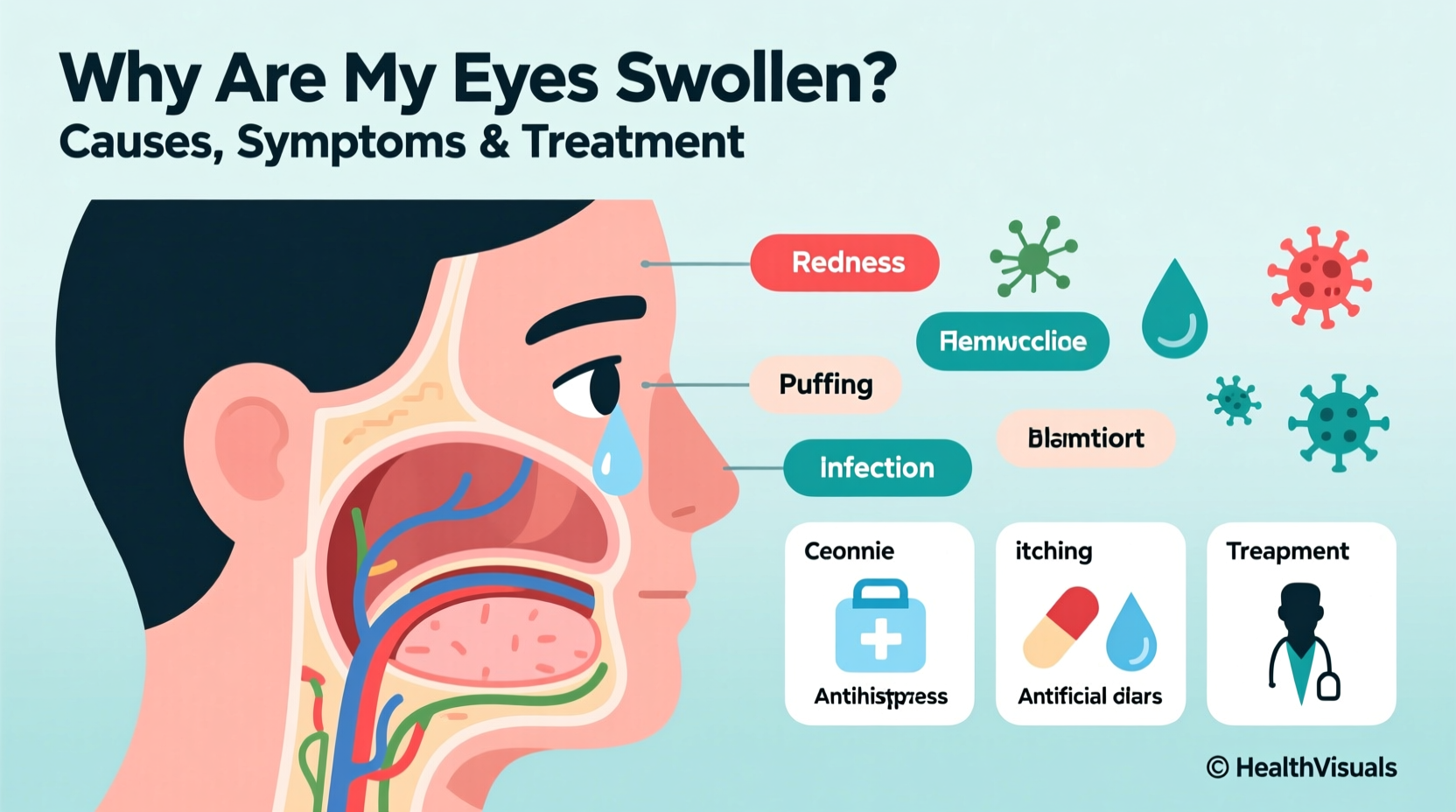
Eye swelling occurs when fluid accumulates in the tissues surrounding the eyelids or orbit. This can be due to allergies, infections, lifestyle habits, or systemic diseases. Some causes are benign and resolve on their own; others require prompt medical attention.
- Allergies: Seasonal allergens like pollen, dust mites, or pet dander trigger histamine release, leading to itchy, watery, and puffy eyes.
- Conjunctivitis (Pink Eye): Viral or bacterial infections inflame the conjunctiva, causing redness, discharge, and swelling.
- Blepharitis: Chronic inflammation of the eyelid margins, often linked to skin conditions like rosacea or seborrheic dermatitis.
- Styes and Chalazia: Blocked oil glands form painful lumps on the eyelid, leading to localized swelling.
- Fluid Retention: High salt intake, hormonal changes, or sleeping position can cause morning puffiness.
- Sinus Infections: Inflamed sinuses increase pressure around the eyes, contributing to swelling.
- Orbital Cellulitis: A serious bacterial infection spreading to eye tissues, requiring emergency care.
- Thyroid Disorders: Graves’ disease causes protruding eyes and periorbital edema.
Symptoms Associated with Swollen Eyes
The nature of swelling—whether it affects one or both eyes, is painful or painless, and appears suddenly or gradually—helps determine its origin. Key symptoms include:
- Puffiness or tightness around the eyelids
- Redness or warmth in the affected area
- Itching or burning sensation
- Excessive tearing or discharge
- Sensitivity to light (photophobia)
- Blurred vision or difficulty opening the eye
- Fever (in cases of infection)
When swelling is accompanied by fever, vision changes, or intense pain, it may indicate a deeper infection such as orbital cellulitis, which demands immediate evaluation.
Distinguishing Between Conditions
| Condition | Typical Symptoms | Onset | Urgency Level |
|---|---|---|---|
| Allergic Reaction | Itching, watery eyes, sneezing | Rapid, seasonal | Moderate (manageable at home) |
| Bacterial Conjunctivitis | Yellow/green discharge, crusting | Gradual to sudden | Moderate (requires antibiotics) |
| Viral Conjunctivitis | Clear discharge, redness | Sudden | Moderate (contagious, self-limiting) |
| Stye | Painful bump, localized swelling | Over days | Low (home care usually sufficient) |
| Orbital Cellulitis | Pain, fever, vision loss, proptosis | Sudden | High (medical emergency) |
| Thyroid Eye Disease | Bulging eyes, double vision, dryness | Slow, progressive | High (needs specialist management) |
“Periorbital swelling should never be ignored when it’s unilateral, painful, or associated with vision changes. These are red flags for sight-threatening conditions.” — Dr. Lena Torres, Ophthalmologist, Massachusetts Eye and Ear
Effective Treatment Options
Treatment depends entirely on the underlying cause. Misdiagnosing and self-treating a serious infection as a simple allergy can lead to permanent damage.
Home Remedies for Mild Cases
For non-infectious, mild swelling—especially from allergies or fluid retention—simple measures can bring relief:
- Apply a cold compress for 10–15 minutes to constrict blood vessels and reduce puffiness.
- Elevate your head while sleeping to minimize fluid accumulation.
- Use over-the-counter antihistamines like loratadine or cetirizine for allergic reactions.
- Avoid salty foods and stay hydrated to reduce water retention.
- Use artificial tears to soothe dry, irritated eyes.
Medical Treatments
When symptoms persist or worsen, professional intervention is essential:
- Antibiotics: Oral or topical antibiotics for bacterial conjunctivitis or styes that don’t resolve.
- Antiviral Medications: For herpes-related eye infections.
- Corticosteroids: Prescribed for severe allergic reactions or inflammatory conditions like thyroid eye disease.
- Surgical Drainage: Required for large chalazia or abscesses unresponsive to medication.
Step-by-Step Guide: Responding to Swollen Eyes
Follow this practical timeline to assess and manage eye swelling safely:
- Day 1 – Observe Symptoms: Note whether swelling is in one or both eyes, presence of pain, discharge, or vision changes.
- Day 1 – Apply Cold Compress: Use a clean cloth with cold water or ice pack (wrapped) for 10-minute intervals.
- Day 2 – Evaluate Progress: If puffiness improves and no other symptoms arise, continue home care.
- Day 3 – Consider Allergy Relief: Try OTC antihistamines if itching and tearing dominate.
- Day 4 – Seek Medical Advice: If swelling persists, worsens, or is painful, consult a healthcare provider.
- Immediate Action: Visit an ER or ophthalmologist immediately if you experience fever, vision loss, eye bulging, or inability to move the eye.
Mini Case Study: Recognizing a Serious Condition
Sarah, a 34-year-old teacher, woke up with a swollen left eyelid. She assumed it was a bug bite and applied an ice pack. Over the next 24 hours, the swelling worsened, her eye became red and painful, and she developed a fever. When her vision blurred slightly, she went to urgent care. Doctors diagnosed preseptal cellulitis—a bacterial infection originating from a minor eyelid scratch. She was prescribed oral antibiotics and instructed to return if symptoms didn’t improve in 48 hours. Within three days, her condition resolved completely.
This case highlights the importance of monitoring progression. What seemed like a minor issue escalated quickly, but timely treatment prevented orbital involvement and potential vision loss.
Prevention Checklist
Reduce your risk of recurrent or severe eye swelling with these daily practices:
- ✅ Wash hands frequently, especially before touching your face.
- ✅ Replace eye makeup every 3–6 months to avoid bacterial buildup.
- ✅ Remove contact lenses before sleeping and clean them properly.
- ✅ Manage allergies with consistent use of prescribed medications.
- ✅ Use hypoallergenic skincare products near the eyes.
- ✅ Stay hydrated and limit sodium intake to reduce fluid retention.
- ✅ Protect eyes from irritants with sunglasses outdoors.
Frequently Asked Questions
Can lack of sleep cause swollen eyes?
Yes. Poor sleep disrupts fluid balance and circulation, leading to under-eye puffiness. Elevating your head and applying a cool compress in the morning can help reduce it.
Is it safe to pop a stye?
No. Attempting to pop a stye can spread infection and worsen inflammation. Warm compresses several times a day encourage natural drainage. See a doctor if it doesn’t improve in a week.
When should I see a doctor for swollen eyes?
Seek medical attention if swelling is severe, painful, affects vision, or is accompanied by fever. Also consult a professional if swelling persists beyond 48–72 hours despite home care.
Final Thoughts and Next Steps
Swollen eyes are more than a cosmetic concern—they can reflect your overall health. While many cases stem from minor causes and resolve with basic care, others demand swift action to preserve vision and prevent complications. Pay attention to your body’s signals, act early when symptoms escalate, and never hesitate to seek expert evaluation when in doubt.
💬 Have you experienced recurring eye swelling? Share your story or questions in the comments—your insight could help someone recognize a warning sign they’ve missed.








