Red eyes are a common condition that affects millions of people each year. While often harmless, persistent or severe redness can signal underlying issues ranging from dryness and allergies to infections or more serious eye diseases. Understanding the root cause is essential for proper treatment and long-term eye health. This guide breaks down the most frequent reasons behind red eyes, outlines evidence-based treatments, and provides actionable steps to prevent recurrence.
Common Causes of Red Eyes
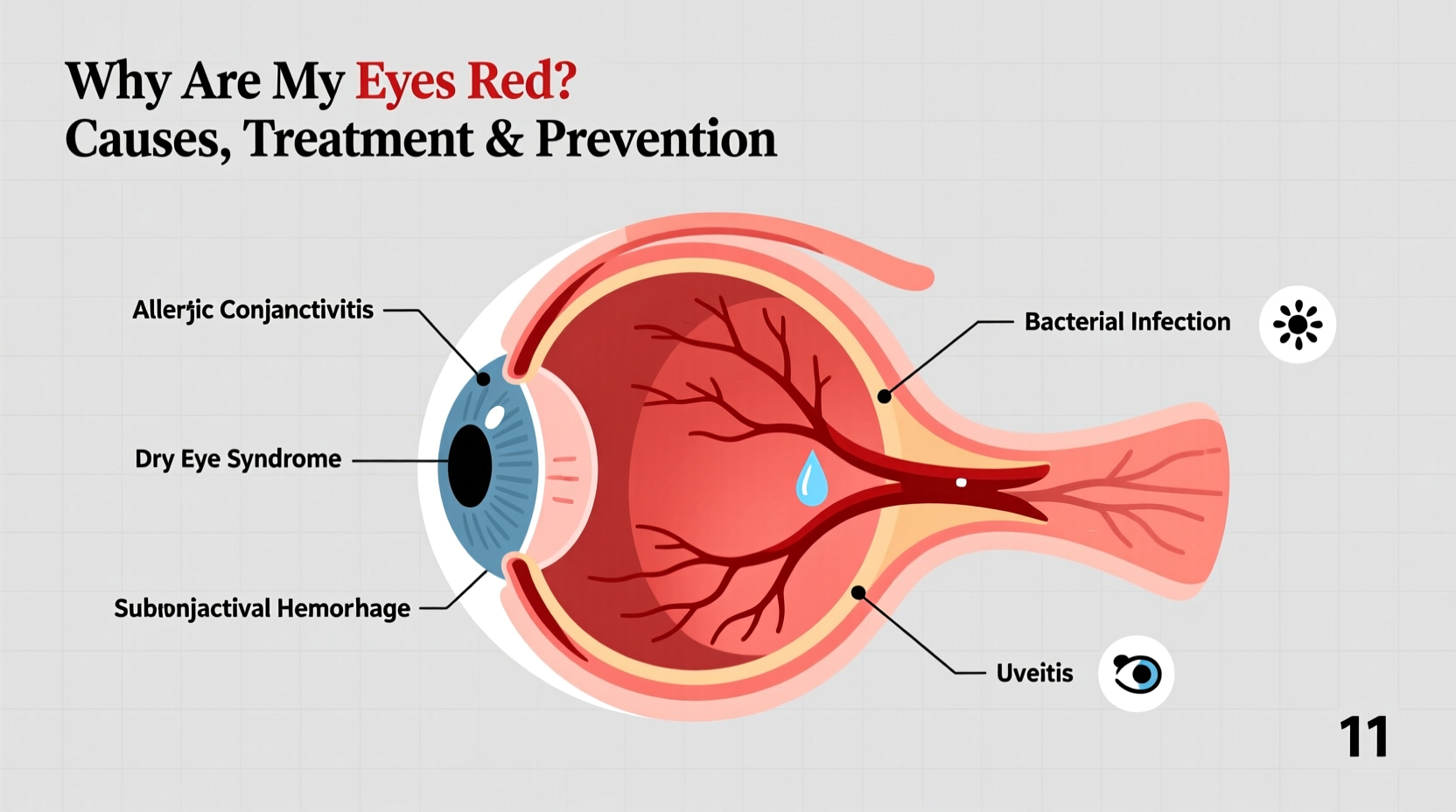
Red eyes occur when blood vessels on the surface of the sclera (the white part of the eye) become dilated or inflamed. This can result from irritation, infection, injury, or systemic conditions. The most prevalent causes include:
- Allergies: Seasonal allergens like pollen, dust, or pet dander trigger histamine release, leading to itching, swelling, and redness.
- Dry Eye Syndrome: Insufficient tear production or poor tear quality causes chronic irritation and visible redness, especially in air-conditioned environments or after prolonged screen use.
- Conjunctivitis (Pink Eye): A viral or bacterial infection causing inflammation of the conjunctiva. Highly contagious and often accompanied by discharge.
- Eye Strain: Extended focus on digital screens without breaks leads to fatigue and bloodshot eyes.
- Foreign Objects: Dust, eyelashes, or debris trapped under the eyelid can cause localized redness and discomfort.
- Contact Lens Overuse: Wearing lenses longer than recommended or sleeping in them reduces oxygen flow and increases irritation risk.
- Blepharitis: Inflammation of the eyelid margins, often due to bacterial overgrowth or skin conditions like rosacea.
- Subconjunctival Hemorrhage: A burst blood vessel in the eye, appearing as a bright red patch—usually painless and resolves on its own.
Treatment Options Based on Cause
Effective treatment depends on identifying the underlying reason for redness. Self-diagnosis can be misleading, so professional evaluation is recommended for persistent symptoms. However, many mild cases respond well to targeted interventions.
Allergic Conjunctivitis
Antihistamine eye drops (e.g., ketotifen) reduce histamine-driven inflammation. Oral antihistamines may help if nasal symptoms are also present. Avoid rubbing the eyes, which worsens irritation.
Bacterial Conjunctivitis
Prescription antibiotic drops such as erythromycin or ofloxacin are typically required. Symptoms improve within 3–5 days with proper treatment. Strict hygiene prevents spread to others.
Viral Conjunctivitis
No specific cure exists; the condition resolves naturally in 1–2 weeks. Cold compresses and artificial tears provide symptomatic relief. Isolation is crucial during active phases.
Dry Eye Syndrome
Lubricating eye drops (artificial tears) used 3–4 times daily can restore moisture. For moderate cases, prescription options like cyclosporine (Restasis) or lifitegrast (Xiidra) help increase tear production.
Blepharitis
Daily lid hygiene using warm compresses and gentle scrubbing with diluted baby shampoo clears oil gland blockages. In chronic cases, oral antibiotics like doxycycline may be prescribed.
“Accurate diagnosis is critical—what looks like simple redness could be early signs of uveitis or glaucoma.” — Dr. Lena Torres, Ophthalmologist, Massachusetts Eye Institute
Prevention Checklist
Many causes of red eyes are avoidable with consistent habits. Follow this checklist to minimize risk:
- Wash hands frequently, especially before touching the eyes.
- Replace contact lenses as directed and never sleep in them unless approved by your doctor.
- Use lubricating eye drops during long screen sessions or in dry environments.
- Avoid known allergens and keep windows closed during high pollen seasons.
- Take regular breaks from digital devices using the 20-20-20 rule: every 20 minutes, look at something 20 feet away for 20 seconds.
- Clean makeup brushes weekly and replace eye cosmetics every 3–6 months.
- Wear UV-protective sunglasses outdoors to shield against wind, dust, and sunlight.
When to Seek Medical Attention
While occasional redness is normal, certain symptoms warrant prompt evaluation by an eye care professional:
| Symptom | Possible Concern | Action Required |
|---|---|---|
| Pain or burning sensation | Corneal abrasion, uveitis, or infection | See an ophthalmologist within 24 hours |
| Blurred or decreased vision | Glaucoma, optic nerve involvement | Seek emergency care |
| Sensitivity to light (photophobia) | Uveitis, keratitis | Immediate evaluation needed |
| Thick yellow/green discharge | Bacterial infection | Consult doctor for antibiotics |
| Redness lasting more than one week | Chronic dry eye, blepharitis, or autoimmune disease | Schedule an eye exam |
Real-Life Example: Managing Chronic Dry Eye
Sarah, a 38-year-old graphic designer, experienced persistent redness and grittiness in both eyes after transitioning to full-time remote work. She spent 10+ hours daily on digital screens and noticed worsening symptoms by mid-afternoon. After visiting her optometrist, she was diagnosed with moderate dry eye syndrome exacerbated by low humidity and inadequate blinking while focused.
Her treatment plan included preservative-free artificial tears, a desktop humidifier, and scheduled screen breaks. She also began using a warm compress nightly and switched to computer glasses with blue-light filtering. Within three weeks, her redness significantly reduced, and comfort improved throughout the day. This case highlights how lifestyle adjustments combined with medical guidance can effectively resolve chronic red eye conditions.
Step-by-Step Guide to Immediate Relief
If you notice sudden redness without trauma or vision loss, follow these steps to assess and manage symptoms:
- Stop wearing contact lenses until symptoms resolve or you consult a doctor.
- Rinse eyes gently with sterile saline solution to flush out irritants.
- Apply a cold compress for 10 minutes to reduce swelling and soothe irritation.
- Use over-the-counter artificial tears (preservative-free if using frequently).
- Avoid rubbing the eyes, which can worsen inflammation or introduce bacteria.
- Monitor for changes over the next 24–48 hours. If redness spreads, pain develops, or vision blurs, seek medical help immediately.
Frequently Asked Questions
Can lack of sleep cause red eyes?
Yes. Insufficient sleep reduces tear production and circulation, leading to bloodshot eyes. Elevating your head at night and using hydrating eye drops in the morning can help reduce morning redness.
Is red eye contagious?
It depends on the cause. Viral and bacterial conjunctivitis are highly contagious through direct contact or shared items like towels. Allergic or dry eye-related redness is not contagious.
Are red eyes a sign of high blood pressure?
Not directly. While hypertension can affect blood vessels in the retina, surface redness is rarely linked to blood pressure. However, systemic inflammation associated with chronic conditions may contribute indirectly.
Conclusion: Take Control of Your Eye Health
Red eyes are more than just a cosmetic concern—they’re signals from your body that something needs attention. Whether caused by environment, habits, or health conditions, timely recognition and appropriate response make all the difference. By understanding triggers, applying targeted treatments, and adopting preventive routines, you can maintain clear, comfortable vision and avoid complications.
🚀 Your eyes deserve care—start today. Share this guide with someone who struggles with redness, or leave a comment with your experience and tips!








