Purple or darkly discolored areas around the eyes can be alarming, especially when they appear suddenly or persist over time. While many associate dark circles with fatigue, a purple tint may signal more than just lack of sleep. Understanding the underlying causes—ranging from genetics to systemic health issues—is essential for proper care and treatment. This article breaks down the most common reasons behind purple eyes, offers science-backed treatment options, and addresses frequently asked questions to help you make informed decisions about your eye health.
Common Causes of Purple Eyes
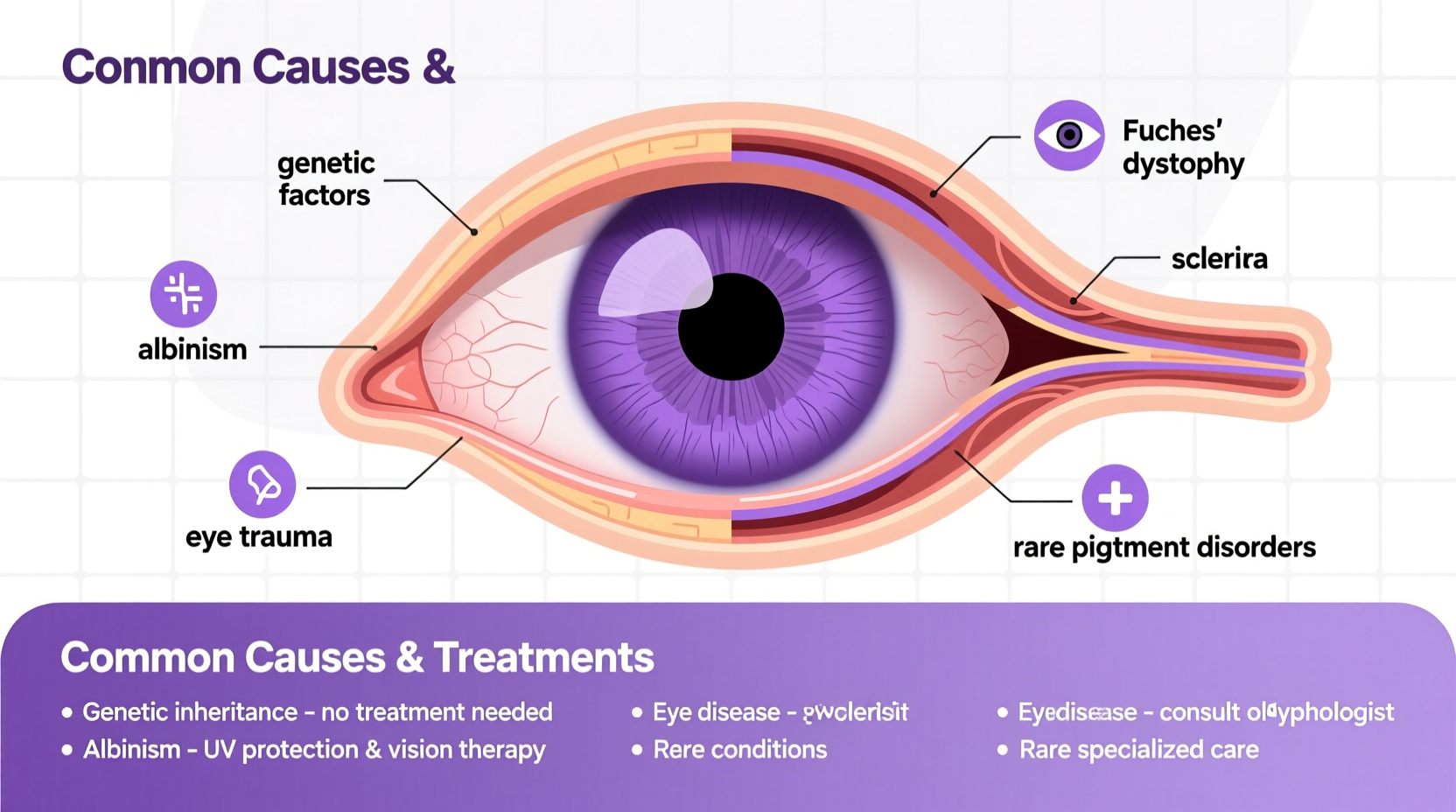
The appearance of purple discoloration around the eyes is often due to visible blood vessels, thinning skin, or accumulated pigmentation. The delicate skin under the eyes is up to 40% thinner than facial skin elsewhere, making it more translucent and prone to showing underlying structures.
- Genetics: Some individuals naturally have thinner skin or higher melanin concentration under the eyes, leading to a bluish or purplish hue.
- Age-related changes: As we age, collagen and fat diminish beneath the eyes, creating hollows that cast shadows and increase visibility of blood vessels.
- Allergies: Chronic allergies cause inflammation and increased blood flow, dilating vessels and contributing to a darker appearance.
- Nasal congestion: Blocked sinuses restrict blood flow through the small veins around the eyes, causing pooling and a purple tint.
- Anemia: Low iron levels reduce oxygen in the blood, making veins appear darker and more pronounced under the eyes.
- Dehydration: Lack of fluids thins the skin further and increases the visibility of underlying vasculature.
- Eye strain: Prolonged screen use can lead to micro-inflammation and vascular dilation, worsening discoloration.
Treatment Options Based on Cause
Effective treatment depends on identifying the root cause. A one-size-fits-all approach rarely works because what helps genetic pigmentation won’t resolve anemia-related darkness.
Dermatological & At-Home Treatments
For mild to moderate cases, topical solutions and lifestyle adjustments can significantly improve appearance.
| Cause | Treatment | Effectiveness Timeline |
|---|---|---|
| Thin skin / aging | Vitamin C serums, retinoids, peptides | 6–12 weeks |
| Allergies | Antihistamines, cold compresses | Days to weeks |
| Anemia | Iron supplements (with doctor approval) | 4–8 weeks |
| Dehydration | Increase water intake, hyaluronic acid creams | Immediate to 1 week |
| Genetic pigmentation | Kojic acid, licorice root extract, chemical peels | 8–16 weeks |
“Persistent periorbital hyperpigmentation should never be dismissed as purely cosmetic. It can reflect nutritional deficiencies, chronic sinus disease, or even autoimmune conditions.” — Dr. Lena Torres, Board-Certified Dermatologist
When to See a Doctor
While occasional dark circles are normal, certain symptoms warrant medical evaluation. Seek professional advice if you experience:
- Sudden onset of purple discoloration without clear cause
- Swelling, pain, or vision changes alongside discoloration
- Symptoms of fatigue, dizziness, or shortness of breath (possible anemia)
- History of kidney or liver disease
- Family history of autoimmune disorders
A healthcare provider may order blood tests to check for anemia, thyroid dysfunction, or vitamin deficiencies. In rare cases, imaging might be used to assess sinus blockages or orbital abnormalities.
Step-by-Step Guide to Managing Purple Eyes
Follow this structured approach to identify and address the issue effectively:
- Assess your lifestyle: Track sleep, hydration, screen time, and diet for one week.
- Eliminate obvious triggers: Reduce alcohol, quit smoking, minimize salty foods, and use hypoallergenic skincare.
- Try conservative remedies: Apply cold compresses twice daily, elevate your head while sleeping, and use SPF 30+ every morning.
- Introduce targeted skincare: Use eye creams containing niacinamide, vitamin K, or caffeine to constrict blood vessels.
- Monitor progress: Take weekly photos under consistent lighting to track changes.
- Consult a specialist: If no improvement after 6–8 weeks, see a dermatologist or allergist.
Mini Case Study: Resolving Chronic Purple Discoloration
Sarah, a 34-year-old teacher, noticed her under-eye area turning increasingly purple over six months. She assumed it was due to stress and poor sleep. After trying multiple concealers and expensive creams with little success, she consulted a dermatologist. Blood work revealed iron-deficiency anemia and elevated IgE levels indicating allergic rhinitis.
Her treatment plan included:
- Daily iron supplementation (ferrous sulfate) under medical supervision
- Seasonal antihistamines during spring and fall
- A switch to fragrance-free laundry detergent and pillowcases
- Topical cream with 2% hydroquinone and sunscreen routine
Frequently Asked Questions
Can lack of sleep turn my eyes purple?
Yes. Sleep deprivation reduces oxygen flow to the skin, causing blood to pool and appear darker. It also increases cortisol, which can break down collagen over time, thinning the skin further. While not truly “purple,” the combination of blue veins and pale skin can create a violet appearance.
Are purple eyes a sign of heart problems?
Not directly. However, severe cardiovascular issues that affect circulation or oxygenation (such as congestive heart failure) may indirectly contribute to facial discoloration. This is rare and usually accompanied by other symptoms like swelling, fatigue, or shortness of breath.
Can makeup cause permanent purple discoloration?
Poor-quality or expired makeup can irritate sensitive eye skin, leading to post-inflammatory hyperpigmentation. Waterproof products that require aggressive removal increase friction and capillary damage. Always use gentle, ophthalmologist-tested formulas and remove makeup with oil-based cleansers.
Checklist: What You Can Do Today
Use this actionable checklist to start addressing purple eye discoloration immediately:
- ✅ Drink at least 8 glasses of water today
- ✅ Replace any expired eye makeup
- ✅ Apply a cold compress for 5 minutes
- ✅ Check iron-rich foods in your next meal (spinach, lentils, red meat)
- ✅ Switch to fragrance-free skincare products
- ✅ Set a bedtime alarm to ensure 7–8 hours of sleep
- ✅ Schedule a blood test if fatigue or paleness persists
Conclusion: Take Control of Your Eye Health
Purple eyes are more than a cosmetic concern—they can be a window into your overall health. Whether the cause is simple dehydration or a deeper medical condition, early attention makes a difference. With consistent care, proper diagnosis, and evidence-based treatments, most people see noticeable improvement. Don’t ignore persistent changes. Listen to your body, take proactive steps, and consult a healthcare provider when needed.
💬 Your eyes tell a story. Are you listening? Share your experience or questions below—your insight could help someone else find answers.








