
Redness in the veins of the eyes is a common concern that affects people of all ages. While it’s often harmless and temporary, persistent or severe redness can signal underlying issues requiring attention. The delicate blood vessels on the surface of the eye (conjunctiva) dilate in response to irritation, fatigue, dryness, or infection—making them more visible. Understanding the root causes, knowing when to seek help, and adopting preventive habits are essential for maintaining ocular comfort and long-term eye health.
Common Causes of Red Eye Veins
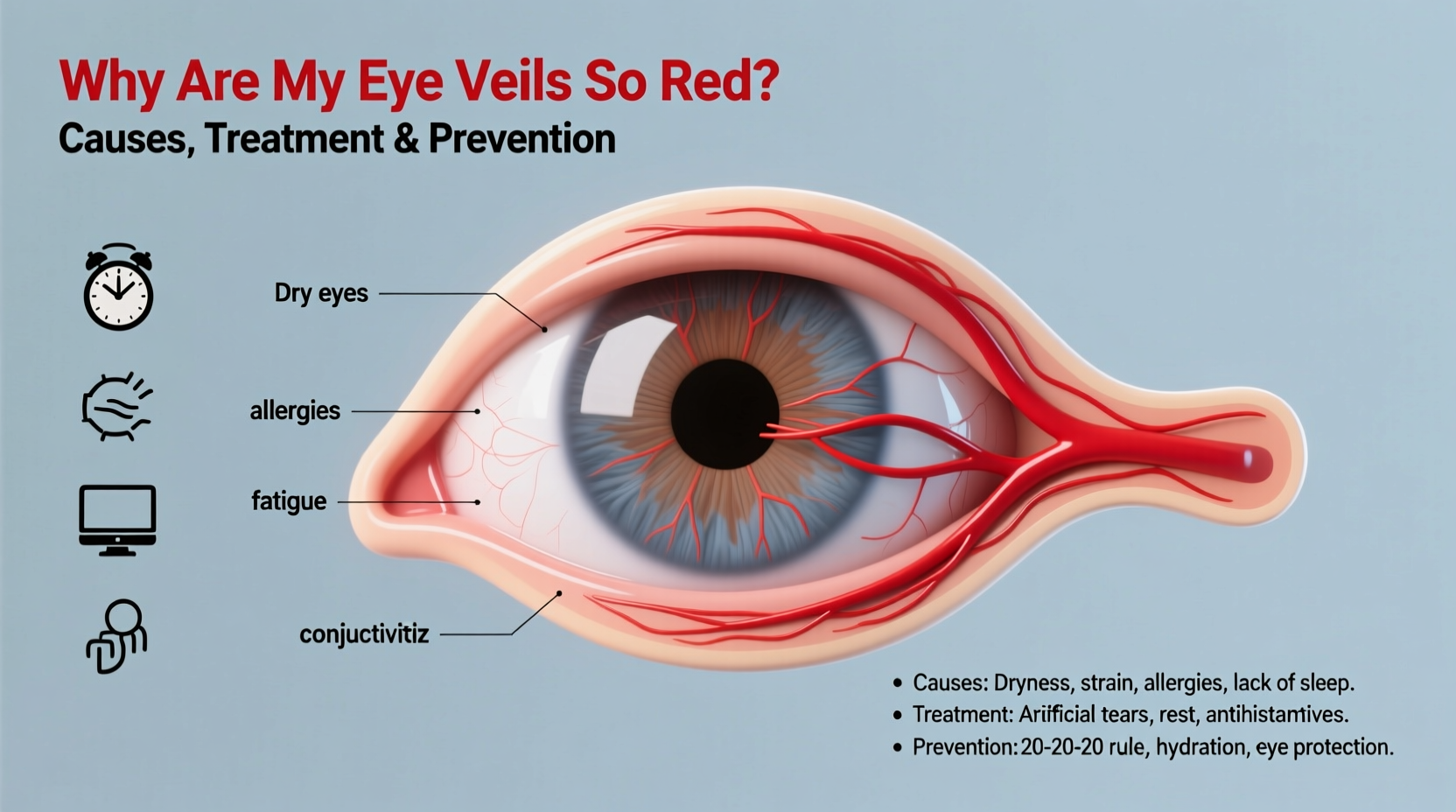
The appearance of red veins in the eyes typically stems from vasodilation—when tiny blood vessels expand due to stress, inflammation, or environmental factors. While not always serious, identifying the cause is crucial for appropriate care.
- Dry Eyes: Insufficient tear production or poor tear quality leads to irritation and redness, especially in air-conditioned environments or during prolonged screen use.
- Allergies: Seasonal allergens like pollen or indoor irritants such as dust and pet dander trigger histamine release, causing blood vessel dilation.
- Eye Strain: Extended focus on digital screens without breaks fatigues the eyes, leading to noticeable redness.
- Conjunctivitis (Pink Eye): Viral or bacterial infections inflame the conjunctiva, resulting in redness, discharge, and discomfort.
- Contact Lens Overuse: Wearing lenses longer than recommended or sleeping in them reduces oxygen flow and increases irritation.
- Environmental Irritants: Smoke, wind, chlorine in pools, and strong lighting can all contribute to red veins.
- Alcohol and Smoking: Both reduce oxygen delivery and dehydrate tissues, including those in the eyes.
Treatment Options Based on Cause
Effective treatment depends on accurately diagnosing the underlying reason for redness. Self-treatment may help mild cases, but persistent symptoms require professional evaluation.
Dry Eye Management
Use preservative-free artificial tears 3–4 times daily. In moderate to severe cases, prescription medications like cyclosporine (Restasis) or lifitegrast (Xiidra) may be necessary to reduce inflammation and improve tear production.
Allergy Relief
Antihistamine eye drops such as ketotifen (Zaditor) provide fast relief. Oral antihistamines can also help, though they may worsen dryness. Avoid rubbing the eyes, which exacerbates swelling.
Infections
Bacterial conjunctivitis requires antibiotic eye drops prescribed by a doctor. Viral forms are usually self-limiting but contagious; cool compresses and hygiene practices minimize spread.
Lifestyle-Induced Redness
Reducing screen time, improving sleep, staying hydrated, and avoiding smoke can significantly reduce red vein prominence within days.
“Persistent redness isn’t just cosmetic—it can reflect chronic dryness or inflammation that, if ignored, may affect vision over time.” — Dr. Lena Torres, Ophthalmologist, Massachusetts Eye and Ear
Prevention Checklist
Preventing recurrent eye redness involves consistent habits that support overall eye wellness. Follow this actionable checklist:
- Take regular breaks using the 20-20-20 rule: every 20 minutes, look at something 20 feet away for 20 seconds.
- Use a humidifier in dry indoor environments, especially during winter months.
- Wear wraparound sunglasses outdoors to protect against UV rays and wind.
- Clean contact lenses properly and replace them as directed.
- Avoid sharing towels or eye makeup to prevent infection transmission.
- Stay well-hydrated—dehydration impacts tear film stability.
- Manage allergies proactively with air purifiers and timely medication.
When to See a Doctor
Not all red eyes require urgent care, but certain warning signs indicate the need for prompt medical attention:
| Symptom | May Indicate | Action |
|---|---|---|
| Pain or burning sensation | Corneal abrasion, uveitis, or glaucoma | See an ophthalmologist immediately |
| Blurred vision or light sensitivity | Uveitis or acute angle-closure glaucoma | Seek emergency evaluation |
| Discharge (yellow/green) | Bacterial conjunctivitis | Consult a doctor for antibiotics |
| Redness lasting over a week | Chronic dry eye or blepharitis | Schedule an eye exam |
| One eye significantly redder | Subconjunctival hemorrhage or infection | Monitor; see doctor if worsening |
Ignoring these symptoms can lead to complications, including corneal damage or permanent vision changes.
Real-Life Example: Office Worker with Chronic Eye Redness
Sarah, a 34-year-old data analyst, noticed her eyes were consistently bloodshot after transitioning to full-time remote work. She worked 10-hour days with minimal breaks and used contact lenses daily. Initially dismissing it as tiredness, she eventually experienced grittiness and sensitivity to light.
After visiting an optometrist, she was diagnosed with computer vision syndrome and contact lens-induced dry eye. Her treatment plan included switching to daily disposables, using lubricating drops, implementing the 20-20-20 rule, and adjusting her workstation lighting. Within three weeks, her eye redness decreased significantly, and her comfort improved.
This case highlights how modern work environments contribute to ocular strain—and how simple adjustments yield measurable results.
Step-by-Step Guide to Soothe Red Eye Veins
If you notice sudden or bothersome redness, follow this six-step protocol to assess and address the issue:
- Stop wearing contact lenses until redness resolves or a doctor approves reuse.
- Apply a cold compress for 5–10 minutes to constrict blood vessels and reduce inflammation.
- Use lubricating eye drops without redness relievers (e.g., avoid tetrahydrozoline, which can cause rebound redness).
- Eliminate potential irritants—remove makeup, avoid smoke, and clean pillowcases.
- Reduce screen exposure and ensure proper lighting to minimize glare.
- Monitor symptoms for 48 hours. If no improvement or if pain/vision changes occur, consult an eye care provider.
Frequently Asked Questions
Can lack of sleep cause red eye veins?
Yes. Poor sleep disrupts tear production and circulation, leading to dilated blood vessels. Aim for 7–8 hours nightly to support eye recovery and hydration.
Is redness in one eye more concerning than both?
It depends. A single red eye could result from localized irritation or injury. However, if accompanied by pain, vision changes, or swelling, it may indicate a more serious condition like iritis or acute glaucoma and warrants immediate evaluation.
Are red veins in the eyes permanent?
No, most cases are temporary and resolve with rest or treatment. However, chronic conditions like dry eye syndrome may cause recurring redness unless managed consistently.
Conclusion: Take Control of Your Eye Health
Red eye veins are more than a cosmetic concern—they’re signals from your body about environmental stress, lifestyle habits, or underlying conditions. By understanding the causes, applying targeted treatments, and adopting preventive routines, you can maintain clearer, healthier eyes. Don’t ignore persistent redness; early intervention protects your vision and comfort in the long run.
💬 Have you experienced persistent eye redness? Share your story or tips in the comments—your insight could help others find relief!








