
Facial flushing—particularly in the cheeks—is a common experience that affects people of all ages and skin types. While occasional redness after exercise or embarrassment is normal, persistent or unexplained flushing may signal an underlying condition. Understanding the root causes and knowing when to seek help can make a significant difference in both comfort and confidence. This article explores the most frequent reasons for flushed cheeks, evidence-based treatments, and practical strategies to manage symptoms effectively.
Common Causes of Flushed Cheeks
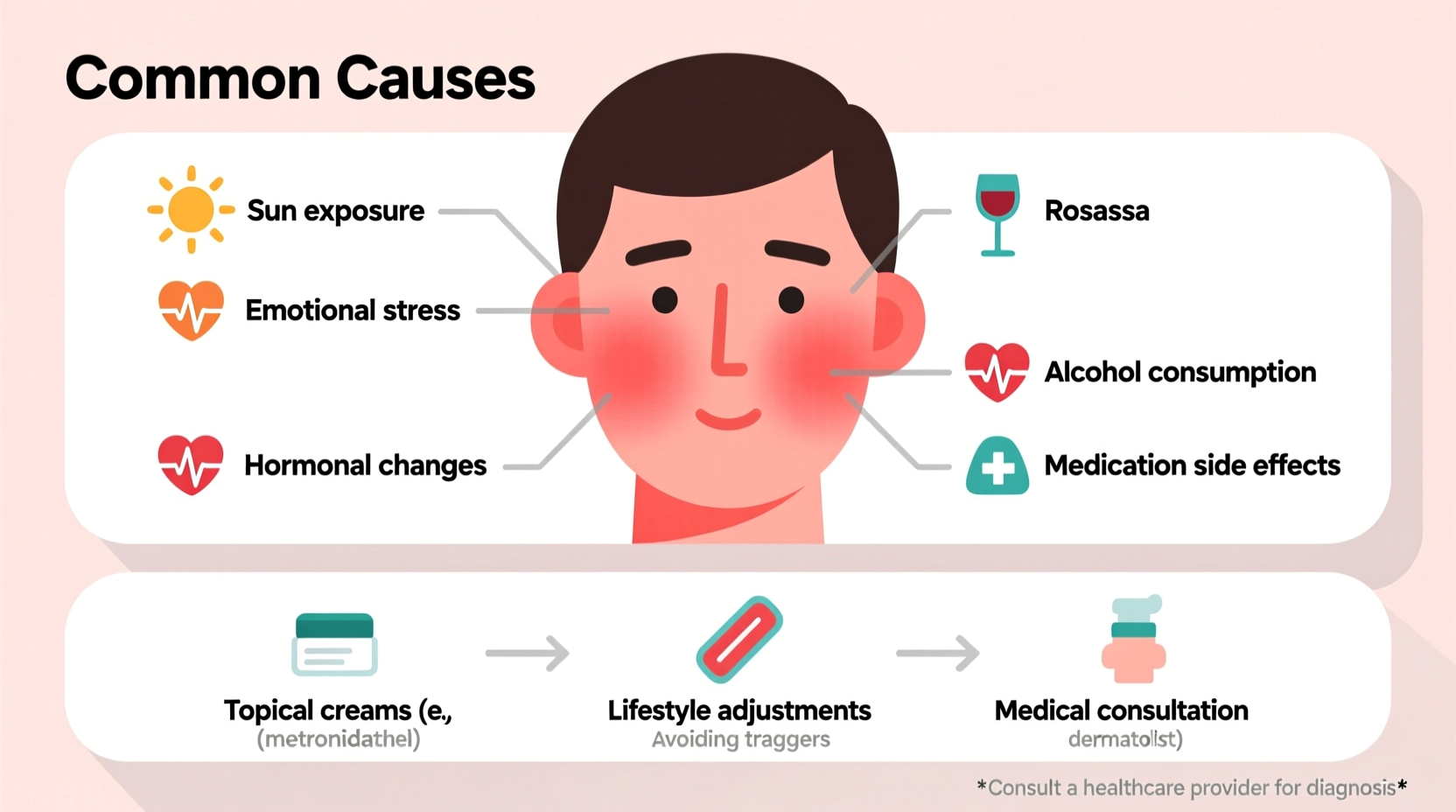
Flushed cheeks occur when blood vessels near the skin’s surface dilate, increasing blood flow and creating a pink or red appearance. While this reaction is often harmless, it can stem from various triggers—some environmental, others medical.
- Rosacea: A chronic skin condition affecting over 16 million Americans, rosacea commonly presents with facial redness, visible blood vessels, and sometimes acne-like bumps. It typically flares on the central face, including the cheeks and nose.
- Emotional Responses: Feelings of embarrassment, stress, or excitement stimulate the nervous system, causing temporary flushing. This is especially common in individuals prone to social anxiety.
- Temperature Changes: Sudden exposure to cold or heat can trigger vasodilation. Skiers, for example, often notice \"cold-induced flushing\" due to wind and low temperatures.
- Dietary Triggers: Spicy foods, alcohol (especially red wine), hot beverages, and histamine-rich foods can provoke flushing by affecting circulation and inflammation.
- Hormonal Shifts: Menopause and perimenopause frequently cause hot flashes and facial flushing due to fluctuating estrogen levels.
- Medications: Niacin supplements, certain blood pressure drugs (like calcium channel blockers), and topical retinoids may induce flushing as a side effect.
- Skin Sensitivity: People with sensitive or reactive skin may flush easily in response to skincare products, fragrances, or environmental pollutants.
Treatment Options Based on Cause
Effective treatment begins with accurate identification of the underlying cause. Below are targeted approaches for managing different types of cheek flushing.
Rosacea Management
Dermatologists often recommend a combination of prescription medications and lifestyle adjustments. Topical treatments such as metronidazole, azelaic acid, or ivermectin reduce inflammation and redness. For more severe cases, oral antibiotics like doxycycline may be prescribed. Newer agents like oxymetazoline cream constrict blood vessels temporarily to reduce persistent erythema.
“Rosacea isn’t just ‘blushing’—it’s a diagnosable dermatological condition requiring consistent care and trigger avoidance.” — Dr. Lena Patel, Board-Certified Dermatologist
Hormonal Flushing (e.g., Menopause)
Hormone replacement therapy (HRT) remains one of the most effective solutions for menopausal flushing, though it carries risks and must be personalized. Non-hormonal alternatives include selective serotonin reuptake inhibitors (SSRIs) such as paroxetine, which have been FDA-approved for hot flash relief.
Lifestyle & Dietary Adjustments
Eliminating known dietary triggers often leads to noticeable improvement. Common culprits include:
- Alcohol (especially red wine and beer)
- Spicy foods (chili peppers, curries)
- Hot coffee or tea
- Fermented foods (aged cheese, sauerkraut, soy sauce)
Do’s and Don’ts: Managing Flushed Cheeks
| Do’s | Don’ts |
|---|---|
| Use gentle, fragrance-free skincare products | Scrub your face with harsh exfoliants |
| Apply broad-spectrum SPF 30+ daily | Use alcohol-based toners or astringents |
| Cool your skin with a damp cloth during flare-ups | Expose skin to extreme temperatures unnecessarily |
| Stay hydrated and avoid dehydrating substances like caffeine | Ignore persistent flushing lasting weeks without evaluation |
| Wear breathable clothing to prevent overheating | Self-diagnose or use steroid creams long-term without supervision |
Step-by-Step Guide to Reducing Facial Flushing
Follow this structured approach to identify and minimize episodes of flushed cheeks:
- Track Episodes: For two weeks, log each flushing incident—including time, activity, food consumed, mood, and environment.
- Identify Patterns: Look for recurring triggers such as certain meals, stress events, or skincare routines.
- Eliminate Suspected Triggers: Remove one potential cause at a time (e.g., stop drinking alcohol for a week) and observe changes.
- Switch to Hypoallergenic Skincare: Replace current products with ones labeled “for sensitive skin” and free of alcohol, fragrance, and sulfates.
- Consult a Professional: If flushing persists beyond four weeks or worsens, schedule an appointment with a dermatologist or primary care provider.
- Begin Targeted Treatment: Based on diagnosis, start prescribed therapies and continue monitoring progress monthly.
Real-Life Example: Managing Rosacea-Related Flushing
Sarah, a 38-year-old teacher, began noticing her cheeks turning red several times a week, especially after lunch. Initially dismissing it as stress, she later observed that the redness lingered for hours and was accompanied by a burning sensation. After seeing a dermatologist, she was diagnosed with subtype 1 rosacea. Her doctor recommended switching from her foaming cleanser to a lipid-restoring cleanser, using azelaic acid gel twice daily, and avoiding spicy foods. Within six weeks, Sarah reported a 70% reduction in flushing episodes and regained confidence in social settings.
When to See a Doctor
Occasional blushing doesn’t require medical attention. However, consult a healthcare provider if you experience any of the following:
- Redness that persists for days without obvious cause
- Pimples or pustules alongside redness (sign of inflammatory rosacea)
- Burning, stinging, or swelling of the facial skin
- Flushing accompanied by rapid heartbeat, dizziness, or shortness of breath (could indicate carcinoid syndrome or mast cell activation)
- Sudden onset in older adults without prior history
Early intervention can prevent progression, particularly in conditions like rosacea where untreated inflammation may lead to permanent vascular changes or rhinophyma (enlarged nose).
FAQ
Can anxiety really cause my cheeks to flush?
Yes. Anxiety activates the sympathetic nervous system, releasing adrenaline and causing blood vessels in the face to dilate. This physiological response is natural but can become frequent in people with social anxiety disorder. Cognitive behavioral therapy (CBT) and breathing techniques can help reduce both anxiety and associated flushing.
Is it safe to use green-tinted makeup to hide redness?
Yes, color-correcting cosmetics with green undertones neutralize redness and are generally safe for most skin types. However, choose non-comedogenic, mineral-based formulas to avoid clogging pores or irritating sensitive skin. Always remove makeup thoroughly at night to prevent secondary irritation.
Can dehydration cause flushed cheeks?
Not directly. Dehydration typically causes dry, dull skin. However, when dehydrated, the body may struggle to regulate temperature, potentially contributing to overheating and transient flushing. Staying well-hydrated supports overall skin health and thermoregulation.
Conclusion: Take Control of Your Skin Health
Flushed cheeks are more than a cosmetic concern—they can impact self-esteem, social interactions, and quality of life. Whether triggered by emotions, diet, hormones, or a medical condition, understanding the cause is the first step toward effective management. With thoughtful lifestyle adjustments, proper skincare, and professional guidance when needed, most people can significantly reduce or even eliminate unwanted facial redness.
💬 Have you identified your flushing triggers? Share your experience or questions in the comments below—your insight could help someone else find relief.








